Czech Ambassador's message on the Velvet Revolution anniversary suggests that the freedom won in 1989 is not definitive
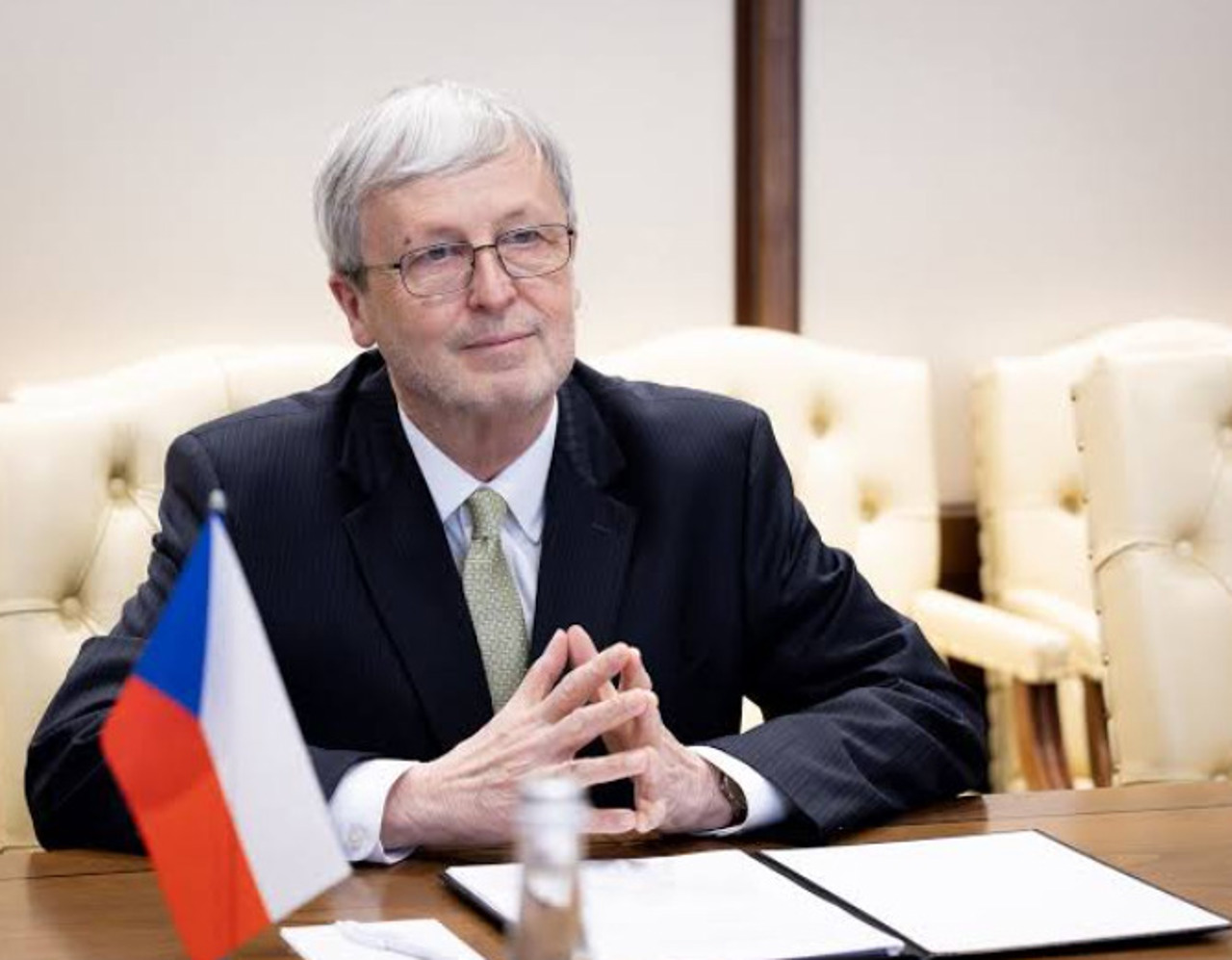
The Velvet Revolution of 1989 remains one of the most significant moments in the modern history of the Czech Republic, and the significance of November 17—a day dedicated to the struggle for freedom and democracy—remains just as powerful today, states the Czech Ambassador to Chișinău, Jaromír Plíšek.
According to the diplomat, the removal of the totalitarian regime was the primary objective of the protests at the time; however, defending democratic values remains an ongoing responsibility—especially in the context of the war in Ukraine and the rise of populism. Thus, November 17 remains a day of special significance for the citizens of the Czech Republic.
"It is, in fact, the greatest celebration for those who love freedom. As for objectives, the primary goal was to remove the Soviet-style totalitarian regime. That objective was, without a doubt, achieved," stated Jaromír Plíšek in an interview with journalist Anatol Caciuc from Radio Moldova on the occasion of the anniversary of the Velvet Revolution.
The ambassador noted that, during the communist era, most Czech citizens saw the regime as something imposed on them—economically inefficient and incompatible with individual freedoms. Dissatisfaction with the system and the desire to break free from the Soviet sphere of influence fueled society’s aspiration for fundamental change.
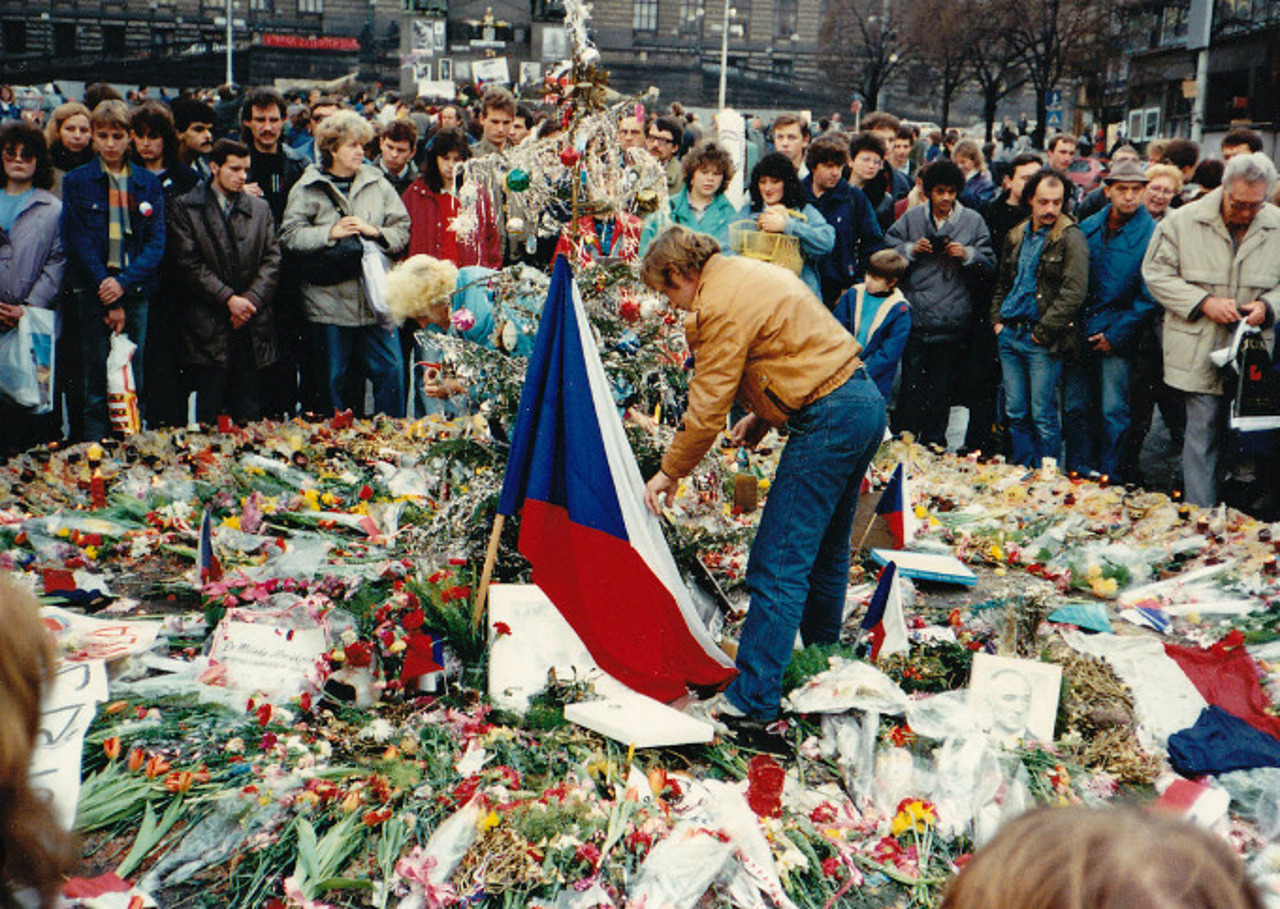
However, the diplomat acknowledged that, at the onset of the protest movement, citizens did not have a very clear vision of what society would look like after the fall of communism. The priority was dismantling a system deemed unnatural and returning to normalcy.
Jaromír Plíšek pointed to the Czech Republic’s democratic and industrial tradition; before the communist regime, it had been one of Europe's most developed regions.
"We viewed this as a return to normalcy—a reunion with the developed part of Europe, to which we once belonged—and that was the natural state of things," the ambassador explained.
Role of the Romanian Army in the liberation of the Czech lands
The diplomat also touched upon the historical context of the liberation of the Czech lands during the Second World War, highlighting a contribution that, in his view, is less frequently discussed in the public sphere.
Jaromír Plíšek noted the participation of the Romanian Army in military operations against Nazi Germany, alongside the Soviet army. He also noted that the western part of the country—reaching nearly as far as Prague—was liberated by the American army; according to the diplomat, this episode was later erased from historical memory during the communist era.
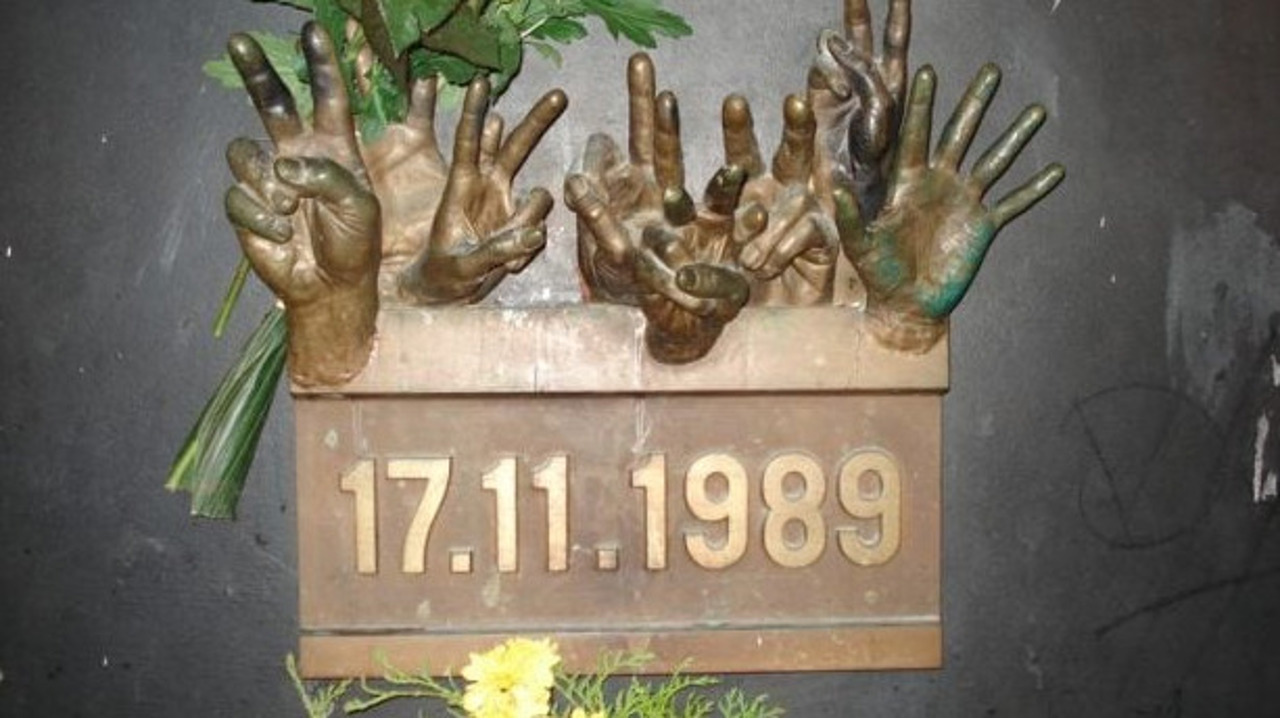
November 17th: A celebration of freedom
The anniversary of the Velvet Revolution is marked by large-scale events. The ambassador pointed out that the values for which citizens fought in 1989 should not be taken for granted as permanently secured. Society has a responsibility to consistently demonstrate its support for freedom.
"People have a responsibility to show ongoing support for freedom, especially in the times we are living through—with war and the populism that seems to be haunting our part of the world as well," the diplomat stated.
He also noted the peaceful nature of the demonstrations held in the Czech Republic on this day. According to the ambassador, the events are meticulously planned—featuring speeches, cultural programs, and musical performances—and "when it comes to these demonstrations, they almost never descend into violence."
Music holds a special place in the tradition of these events, with some of the songs performed having become symbols of the struggle for freedom. One of them even became the national anthem of the Czech Republic, Jaromír Plíšek highlighted.
The Velvet Revolution began on November 17, 1989, with a student demonstration in Prague that was violently suppressed by the communist authorities. These events triggered a wave of widespread protests, which led to the collapse of the communist regime in Czechoslovakia and paved the way for a democratic transition.