Russian drones in Moldova may intimidate; experts say Moscow is pressuring Chisinau
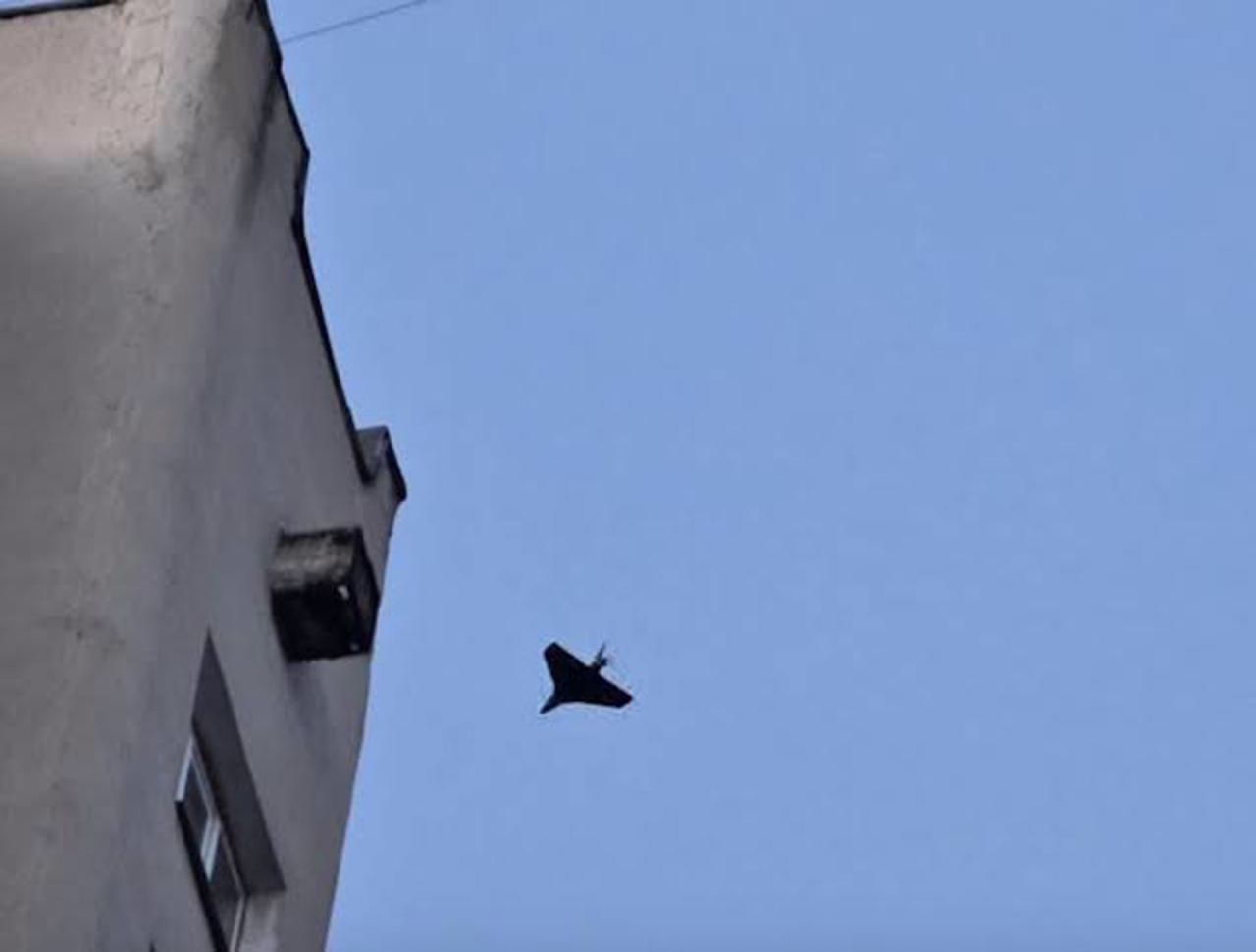
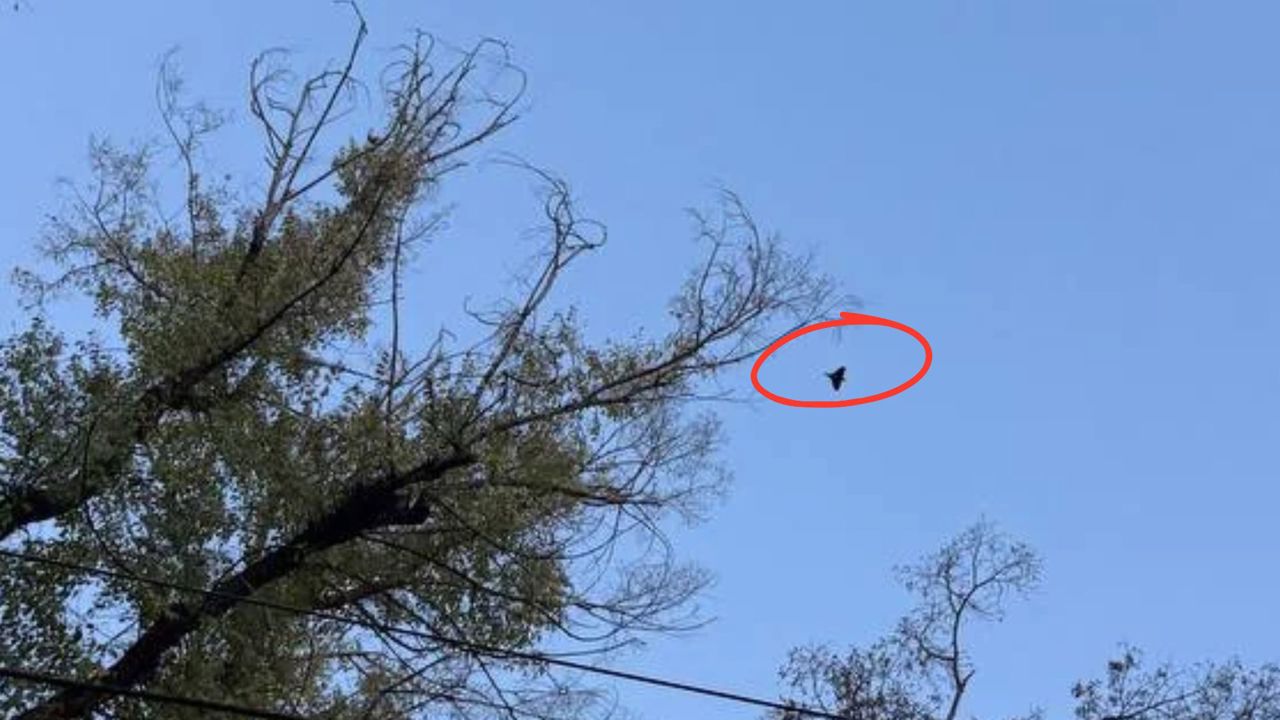
The incursion of several Russian drones into the airspace of the Republic of Moldova, including over the capital, could be part of Moscow’s strategy of intimidation and psychological pressure. Security and international relations experts say the November 17 incidents point to an escalation of threats to the country’s security as Moldova continues its path toward European Union membership.
Unlike previous incidents, where drones were primarily reported near the border, this time a Shahed-type aircraft even flew over the municipality of Chisinau. The observed flight path raises questions as to whether the incursion was truly accidental, though authorities have not publicly determined whether the drone was intentionally directed over the capital. These incidents reflect an intensification of intimidation tactics by the Russian Federation, noted Pavel Horea, a security expert with the WatchDog community, during the program "În Context" on Moldova 1.
"In fact, we are witnessing the Russian Federation’s persistent pattern of escalation, aimed at intimidating the Republic of Moldova and its citizens. This drone incident clearly demonstrates that the Russian Federation has no intention of abandoning its plan to effectively blackmail the Republic of Moldova," stated Pavel Horea.
According to the expert, the increase in such incidents coincides with the Republic of Moldova’s progress in the European integration process and its efforts to strengthen its own security capabilities.
Furthermore, the drone's flight path over the capital could point to a deliberate action rather than a simple deviation from its intended course, argues Pavel Horea.
Psychological pressure on the population
These drone incidents can also be interpreted within the broader context of Russia’s military and political actions in the region. Through such incursions, Moscow is likely attempting to instill fear and a sense of insecurity among the population, suggests Romanian political scientist Cristian Pârvulescu.
"The presence of drones—which you mentioned earlier—in the skies over Chișinău and Moldova represents an attempt to exert psychological pressure on the Moldovan people. This is similar to the pressure Russia has applied to Romanians through attacks in territorial waters—within the maritime zone that falls under Romania’s sovereignty—and is consistent with its ongoing, persistent attacks on Ukraine," stated Cristian Pârvulescu during the same broadcast.
These actions must also be viewed within the context of international negotiations regarding the war in Ukraine and the future European security architecture. According to the political analyst, Russia is seeking to secure significant political concessions, even as it continues to face difficulties on the front lines.
The incidents on November 17 occurred against the backdrop of massive Russian attacks on Ukraine. According to the Ministry of Defense, seven drones entered the airspace of the Republic of Moldova without authorization between 15:45 and 18:10. Five of these impacted the ground near the following locations: Cheltuitori (in the Chișinău municipality); Pohorniceni and Pogrebeni (in the Orhei district); Cuhureștii de Jos (in the Florești district); and Băxani (in the Soroca district). A potential sixth impact was reported in the Ocnița district, while another drone disappeared from monitoring systems near the town of Leova, heading toward the state border.
One of the drones—a Geran-2 type—was detected at 15:49 after entering the airspace of the Republic of Moldova from the direction of the Odesa region, crossing over the Transnistrian segment. Subsequently, a Shahed-type drone was observed over the municipality of Chișinău, moving from the Botanica sector toward the northern part of the capital. For security reasons, at 16:27, the authorities temporarily restricted the country's entire airspace—a measure that also affected civil air traffic.
Throughout the afternoon, the police received several reports regarding explosions and the potential impact of drones. Near the village of Cheltuitori, residents reported an explosion in a wooded area, while near Pohorniceni, a drone was reported to have crashed without detonating. Residents also reported loud bangs in the Florești district, and a possible explosion was noted near the village of Băxani in the Soroca district. Specialized teams were deployed to investigate the circumstances.
These incidents are not isolated. According to data from the Ministry of Defense, as of November 13, 74 aerial incidents had been recorded in the Republic of Moldova since the beginning of 2026, and 111 since the start of the full-scale Russian invasion of Ukraine in February 2022. Between November 7 and 13 alone, four unauthorized overflights were documented, along with the discovery of drone fragments near the locality of Antonești, in the Ștefan Vodă district. The drone struck a concrete pillar, triggering an explosion that affected an area with a radius of approximately 25 meters. The authorities have repeatedly warned that such incidents pose a danger to the public and to critical infrastructure, and have underscored the need to strengthen surveillance and air defense systems. Citizens who spot drones or drone debris are urged not to approach or touch the suspicious objects, and to immediately notify the 112 emergency service.