Oleg Ozerov questioned the identification of the drones as Russian, following Chisinau's protest note
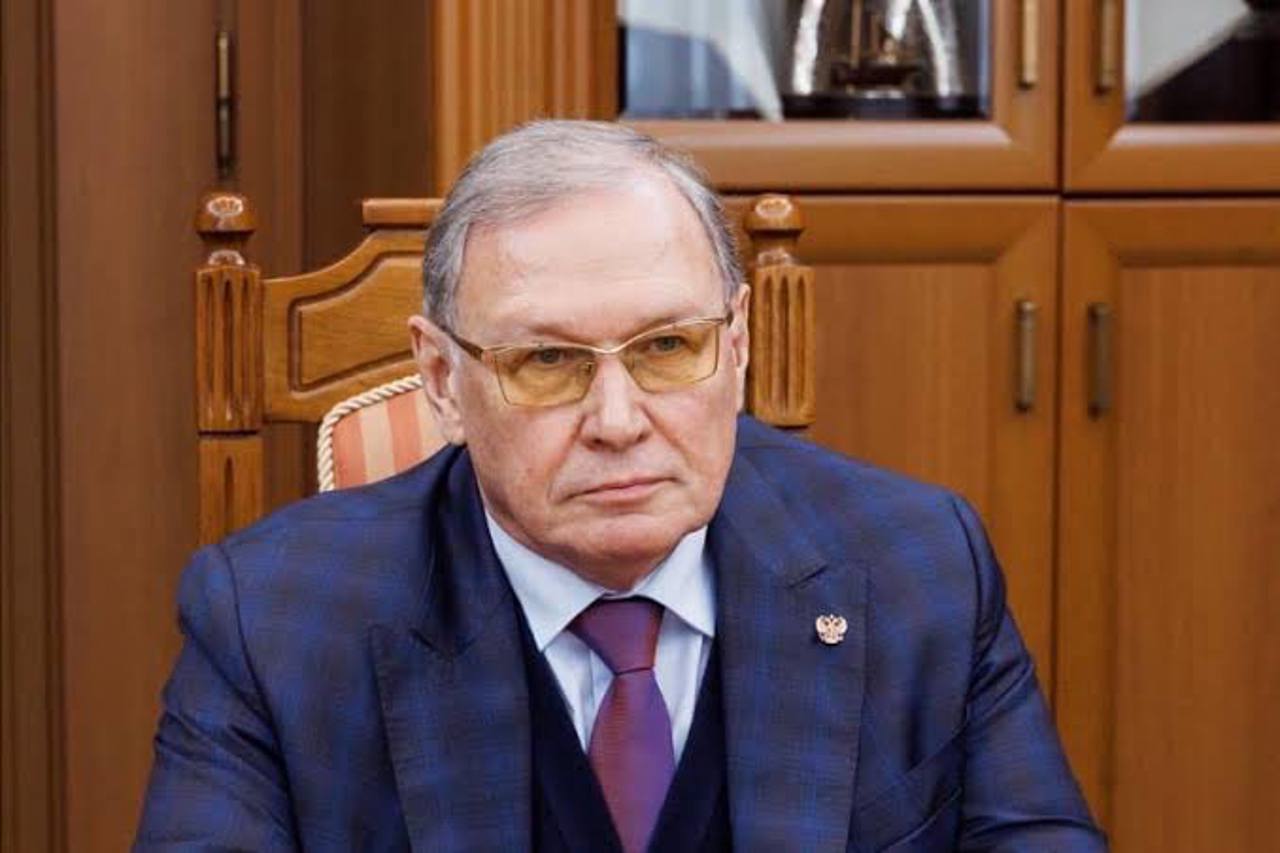
The Ministry of Foreign Affairs (MFA) handed a note of protest to Russia’s designated ambassador to Chișinău, Oleg Ozerov, following the illegal incursion of seven drones into Moldova’s airspace on November 17. Chișinău summoned the diplomat to the MFA on Wednesday, November 18, urging Moscow to respect the country’s sovereignty and territorial integrity.
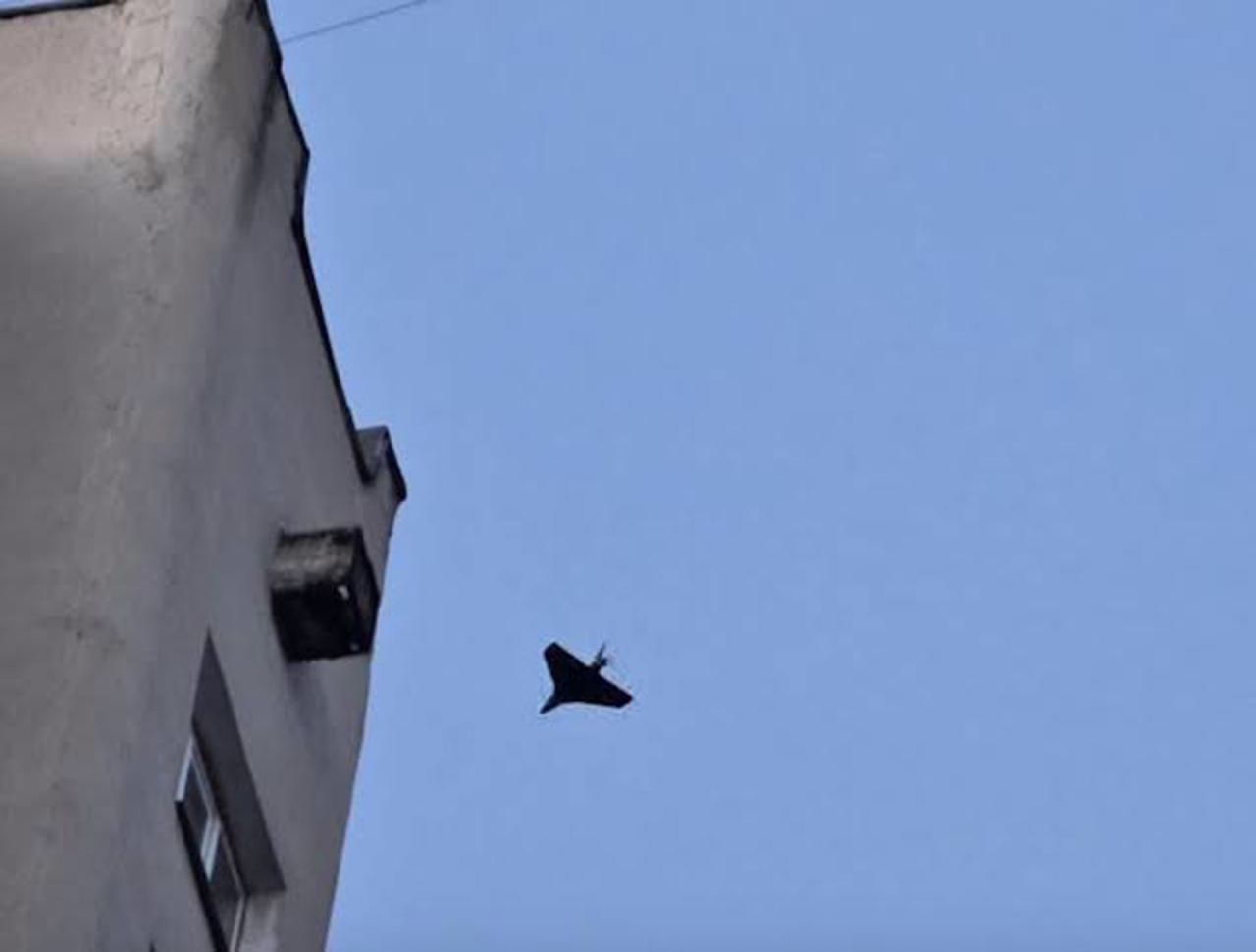
According to the Ministry of Foreign Affairs, seven drones illegally entered the airspace of the Republic of Moldova on November 17, flying over areas including the municipality of Chișinău.
Six of these reportedly crashed within the country's territory.
In a protest note delivered to Oleg Ozerov, the authorities in Chișinău condemned the repeated violations of national airspace, which occurred against the backdrop of the Russian Federation's attacks on Ukraine.
"These actions violate the sovereignty of the Republic of Moldova and endanger the lives and safety of the people," said representatives of the Ministry of Foreign Affairs.
Ozerov alleges "false flag operations"
The Russian diplomat, however, rejected accusations that the drones which flew over the territory of the Republic of Moldova were of Russian origin, asserting that "there is no evidence to prove where they came from." Ozerov said Russia is willing to participate in joint investigations to establish the circumstances of the incidents and proposed creating a joint commission.
"These are unfounded accusations against Russia. Every time a drone appears, everyone immediately claims it is a Russian drone. How do you know this? Such drones have also crashed in Finland and Poland. Investigations were conducted, and they revealed that all of them—without exception—were Ukrainian drones," Ozerov declared after leaving the Ministry of Foreign Affairs headquarters. The Russian ambassador-designate also questioned the evidentiary value of the drone fragments the Moldovan authorities had previously presented to the Russian side. He suggested that debris from aircraft that crashed in Ukraine could be used to assemble other drones. In his view, determining their origin would require examining technical components—including data stored on microchips—which could provide information about the flight path.
"A great many drones of this type crash in Ukraine. It is not at all difficult to assemble a drone from such fragments and launch it here. Present the evidence! Flight missions are stored on microchips. There is tracking data and information about the route—where the drone came from, why, how, and when? Let us analyze the situation, rather than making categorical statements every time a drone appears—claiming, 'It’s a Russian drone,'" the ambassador stated.
Furthermore, Ozerov raised the possibility that Ukrainian special services are orchestrating provocations intended to strain relations between Moscow and Chisinau. However, the ambassador provided no evidence to support these claims.
"Currently, numerous 'false flag' operations are taking place, intended to strain bilateral relations—including those between Russia and the Republic of Moldova. I repeat: the Russian Federation has no interest in this. We have already proposed the creation of a joint commission to determine the origin of these drones and the circumstances under which they entered the territory of the Republic of Moldova. This is necessary to avoid misinterpretations of the actions taken by either side and to prevent any further deterioration of bilateral relations. We observe that these relations are, effectively, on the verge of a complete breakdown", stated Oleg Ozerov.
Maia Sandu: “Boundless cynicism from the leaders in Moscow”
Authorities in Chișinău are currently analyzing the flight paths of the drones to determine whether they entered the Republic of Moldova’s airspace due to technical malfunctions or as a result of intentional actions. This information was provided by Serghei Diaconu, head of the National Crisis Management Center, ahead of the government meeting on November 18.
“It is very complicated when there is a massive attack and hundreds of drones are reported over Ukrainian territory... it is difficult to classify whether they were intended for the airspace of the Republic of Moldova or for Ukraine. Unfortunately, we must acknowledge that we are examining whether these drone trajectories might be linked to a deviation caused by the loss of GPS coordinates or interference with the drones' navigation systems. At present, we cannot state with certainty that this was a deliberate attack on our territory,” noted Serghei Diaconu.
The illegal incursion of seven drones into the Republic of Moldova’s airspace on November 17 drew sharp reactions from the country’s leadership.
President Maia Sandu condemned the incidents, stating that “Russia cares neither for neutrality, nor for sovereignty, nor for human life.”
The head of state acknowledged that the Republic of Moldova does not yet possess the necessary capabilities to defend itself against such threats and advocated for continued investment in defense.
"People are worried because they understand that Russia cares neither about neutrality, nor about sovereignty, nor about human life. And when Russia feigns concern for Moldova’s fate in its television propaganda, while simultaneously sending drones into our territory, it reveals the boundless cynicism of the leaders in Moscow.
Moldova desires peace. Moldova is working for peace. We do not yet possess the defense capabilities required to protect ourselves from the drones that threaten our security. For this very reason, we will continue to condemn this inhumane war and call for sanctions against Russia until it is forced to stop; we will continue to support Ukraine—which is standing firm against aggression—and to invest in our national defense, with the help of our friendly nations," stated Maia Sandu.
For his part, the Speaker of Parliament, Igor Grosu, accused Moscow of endangering citizens' safety and assured that authorities would continue to invest in the National Army to protect the country’s airspace.
Prime Minister Vasile Tofan warned that the increasingly frequent drone incidents could lead to tragic consequences:
"We must be realistic: sooner or later, we could even face tragedies." The Head of Government has called for the expedited adoption of legislation concerning the defense industry, so that the Republic of Moldova may produce its own military equipment.
The incidents on November 17 led to the temporary closure of the airspace and the suspension of operations at six border crossing points.
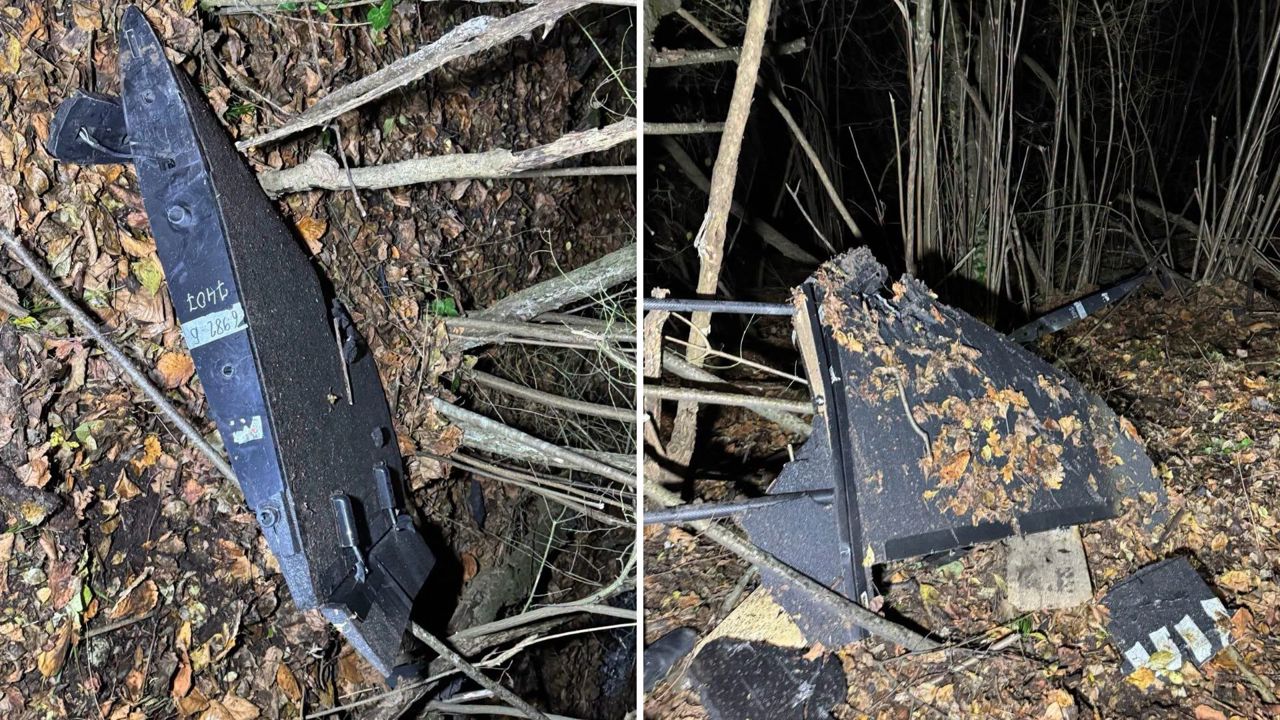
Fragments of an aircraft were later found near the locality of Naslavcea, in the Ocnița district, about 50 meters from the border with Ukraine.
On the morning of November 18, the police located fragments of unidentified drone near the locality of Pohrebeni (Orhei district), in the village of Băxani (Soroca district), and in the locality of Cuhureștii de Sus (Florești district).