Drones can crash into homes, and intercepting them is risky, expert
The growing number of drone incursions into Moldova’s airspace increases the risk of tragedy and exposes weaknesses in the national defense system, security experts warn. Although authorities have equipment to intercept such aircraft, it is not capable of protecting the entire country. Moreover, shooting down drones over populated areas could put civilian lives at risk.
The risks increase with the recurrence of such incidents, and the authorities must prepare both defense systems and the general public for potential emergencies. However, the danger is not limited to explosions or material damage. Disruptions to air traffic and uncertainty regarding national security can negatively impact the economy, investment, and the costs borne by citizens.
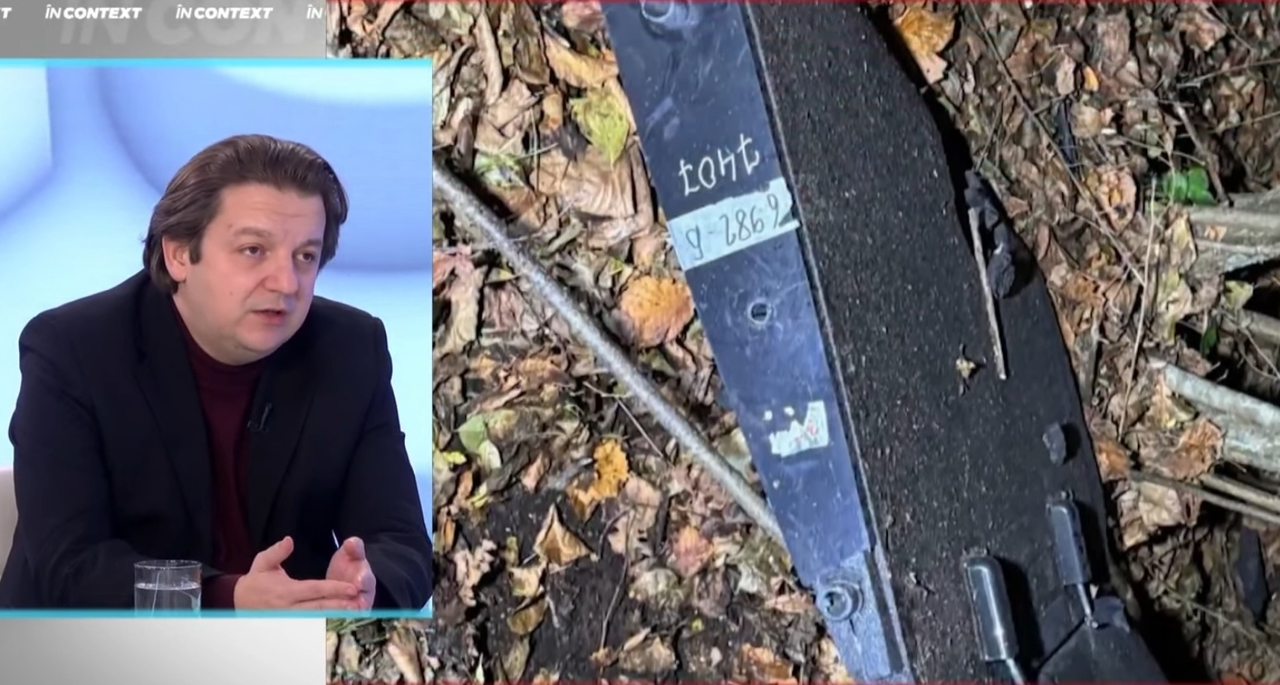
The Republic of Moldova possesses a limited number of anti-drone systems, and their effectiveness depends on where they are deployed, explained Andrei Curăraru, a security expert with the WatchDog community, on the Moldova 1 program "În Context".
"We do not have a genuine capability to shoot down drones anywhere in the Republic of Moldova. It is more a matter of tactical decisions regarding where to position these limited-scale assets", stated Andrei Curăraru.
Intercepting drone over populated areas presents a difficult dilemma. Destroying them in mid-air could send debris falling onto homes or other civilian infrastructure. For this reason, any intervention must consider not only the available technical capabilities but also the drone's current location.
"We need to learn how to shoot down these drones. We also have SkyWiper systems, which can jam them. This involves weighing the risks associated with bringing them down: what do we do about drones that reach densely populated areas? Do we shoot them down—risking that they might fall onto an inhabited house—or do we wait to see where they eventually land?" the expert explained. A more cost-effective solution could be developing interception devices produced within the Republic of Moldova. According to Curăraru, the adoption of the necessary legislation to support such an industry should be accelerated.
The expert warns that the absence of incidents resulting in casualties does not mean the danger can be ignored. In his view, the authorities must take action before a drone causes a tragedy.
"So far, it has been a matter of sheer luck; meanwhile, the legislation—which is currently delayed—regarding the potential to produce interception drones in the Republic of Moldova must be adopted as quickly as possible. These represent the most affordable way to protect our airspace," said Andrei Curăraru.
Drone incursions could drive up the cost of air travel
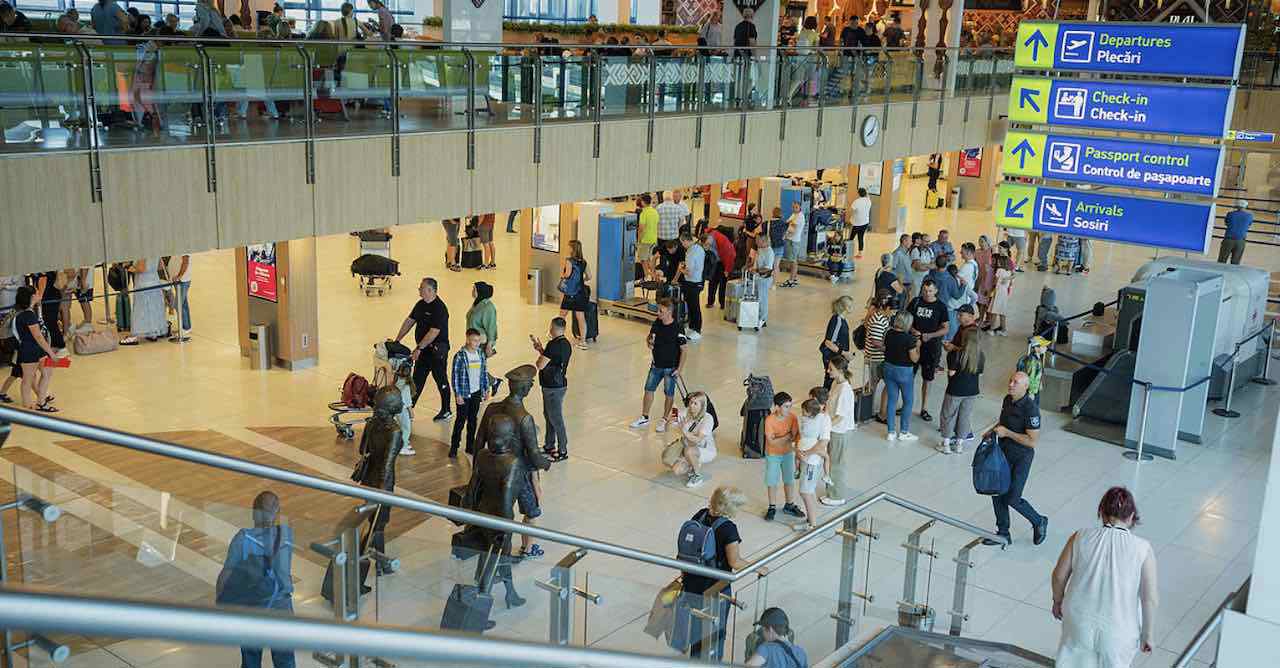
Temporary airspace restrictions can force airlines to alter flight schedules, consume additional fuel, and incur higher insurance costs. These expenses are likely to be reflected in ticket prices.
"Ultimately, we are the ones paying these tangible costs, because halting air traffic is expensive—it translates into thousands of euros in fuel costs and higher insurance premiums for companies operating flights from the Republic of Moldova. For those who might still be skeptical about the reality of these drones, the truth will become clear when they find themselves paying more for air travel from the Republic of Moldova," warned Curăraru.
Furthermore, attracting foreign investment could also become more difficult. Repeated incidents increase the perception of insecurity, which may lead some companies to postpone or abandon projects in the Republic of Moldova.
“Chisinau should turn to international courts”
Documenting damages and involving international institutions could provide the Republic of Moldova with additional tools for response. The expert suggests that authorities should request independent investigations, notify UN bodies, and examine the possibility of taking legal action in international courts.
“I believe the traditional diplomatic route has already been exhausted; these diplomatic notes no longer serve a purpose. We must attempt to move toward other types of measures, including seeking recourse in international courts regarding the damages caused by these incidents,” the expert stated.
The expulsion of the Russian Federation’s ambassador-designate, Oleg Ozerov, could trigger reciprocal measures from Moscow—potentially targeting the Republic of Moldova’s own diplomatic representative. Such a development could complicate efforts to protect the interests of Moldovan citizens currently in Russia, Curăraru noted.
Shelters and public warning systems: further vulnerabilities
The expert also highlighted the inadequate state of civil protection infrastructure. It is estimated that fewer than 100 shelters in the Republic of Moldova are currently functional; many existing facilities have been privatized or no longer meet safety standards.
To mitigate risks, citizens should monitor official alerts and stay informed about protective measures to take during emergencies.
Furthermore, the development of a national defense industry could help strengthen protective capabilities. According to the expert, adopting an appropriate legislative framework could attract investment, including from companies that previously left the Republic of Moldova.
"We have a Moldovan start-up that relocated to Bucharest because we lack the necessary legislation. They might return, and Ukrainian initiatives might also arrive. However, we are not getting involved in the war between Russia and Ukraine—contrary to what some politicians claim. We are simply trying to develop the limited capabilities we need to protect our airspace and our citizens," explained Andrei Curăraru.
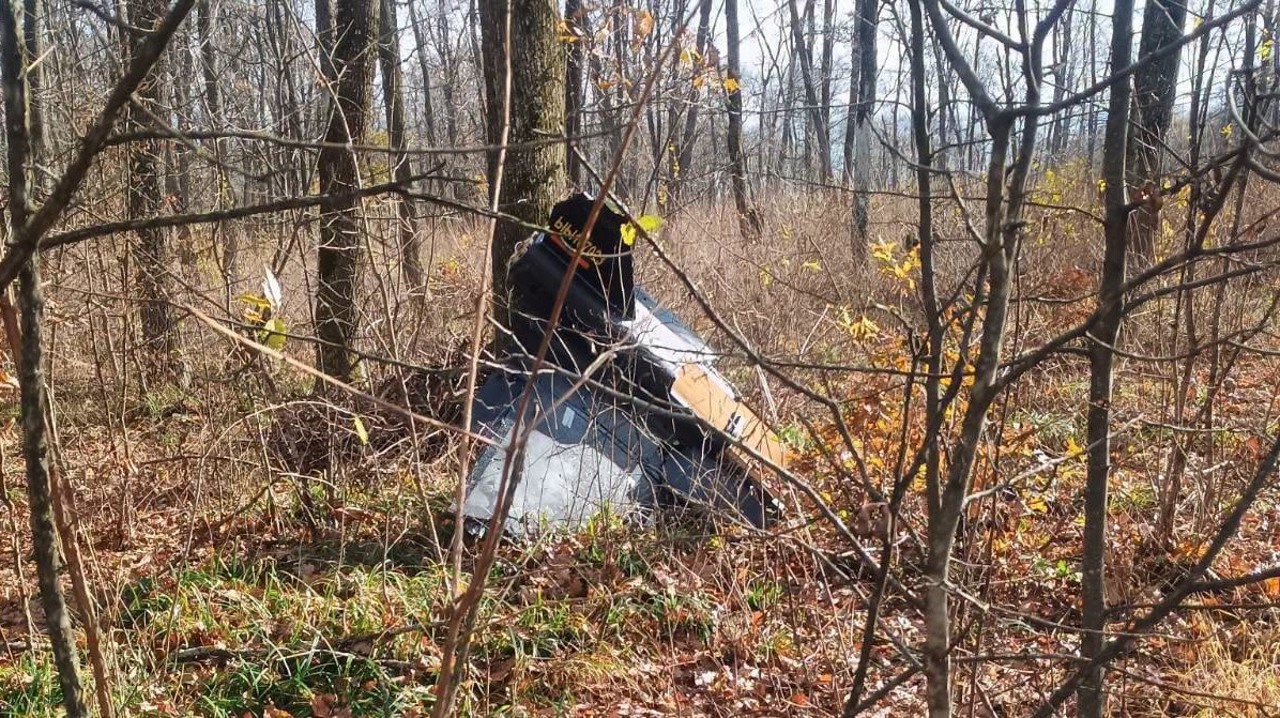
On November 17, seven drones entered the airspace of the Republic of Moldova without authorization, amid Russian attacks on Ukraine. Authorities temporarily restricted air traffic, and debris from the aircraft was subsequently discovered in several localities.
On November 18, the Police announced that the drones identified near the localities of Naslavcea (Ocnița district) and Cuhureștii de Sus (Florești district) were of the "Gerbera-2" model. In the case of the drone found near Cuhureștii de Sus, the explosion occurred approximately five meters above the ground, scattering debris over a radius of about 40 meters.
Also on November 18, Russia’s designated ambassador, Oleg Ozerov, was summoned to the Ministry of Foreign Affairs, where he was presented with a note of protest. The diplomat disputed the aircraft's Russian origin and the claim that the incursions were intentional.