Defense Minister at Schuman Forum: Moldova's priorities are national resilience and external cooperation
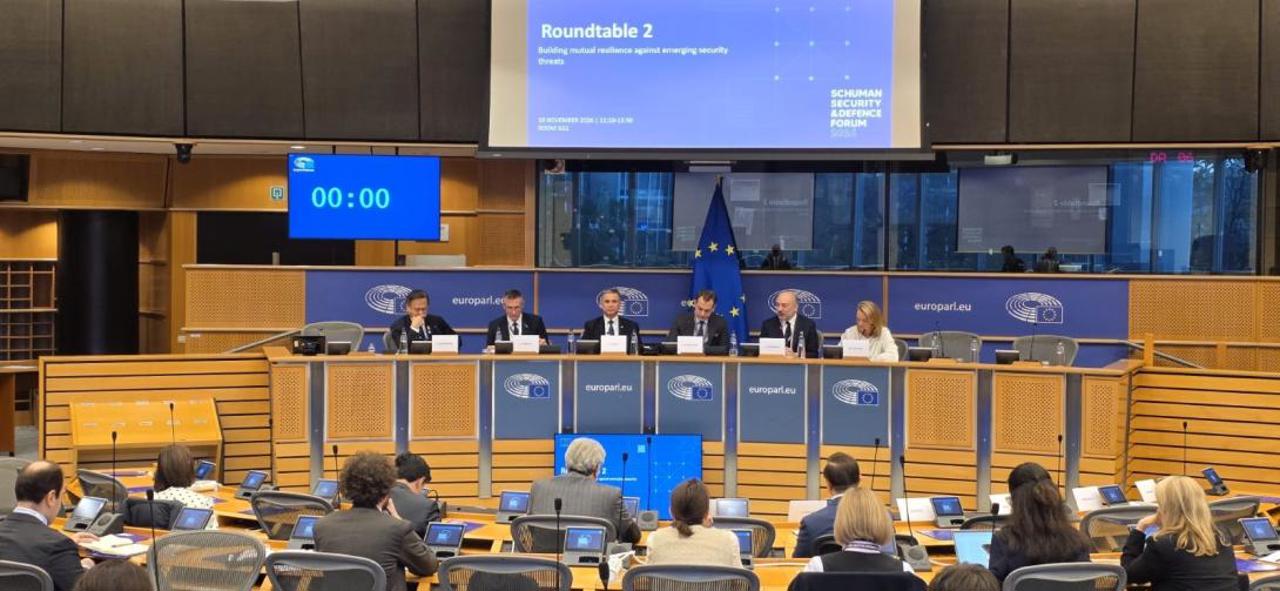
The Republic of Moldova faces multiple security challenges that put pressure on state institutions, deepen social divisions, and threaten democratic processes. Strengthening national resilience remains a strategic priority and requires a coordinated approach, the involvement of all segments of society, and close cooperation with external partners. Defense Minister Anatolie Nosatîi made the remarks at the third edition of the Schuman Security and Defence Forum in Brussels.
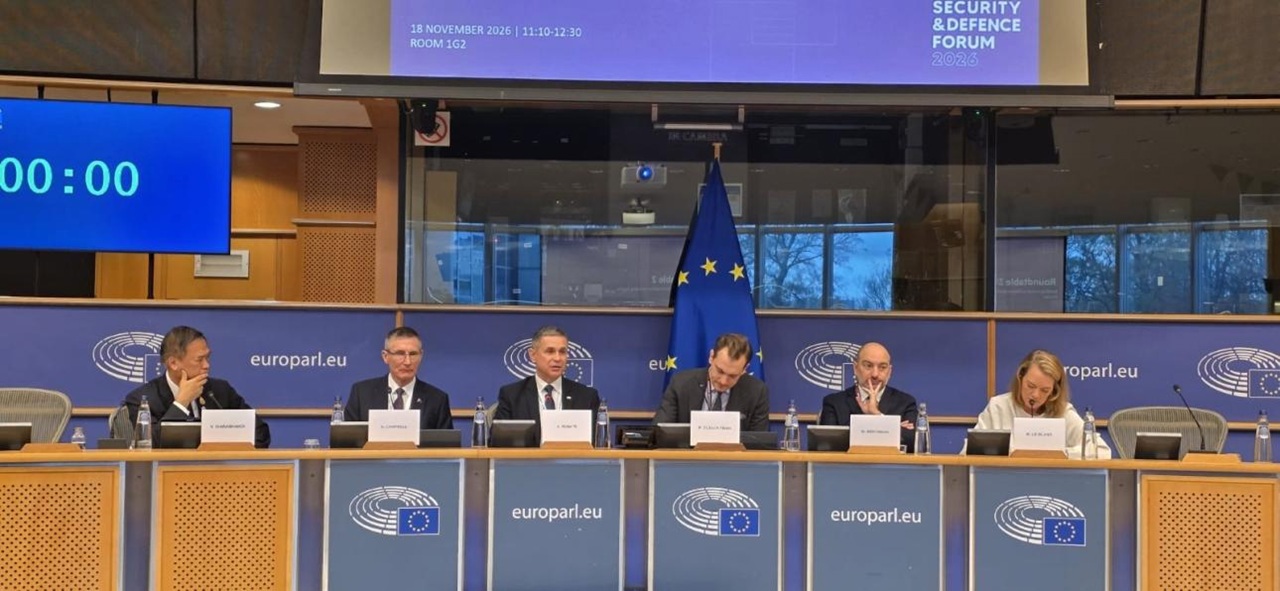
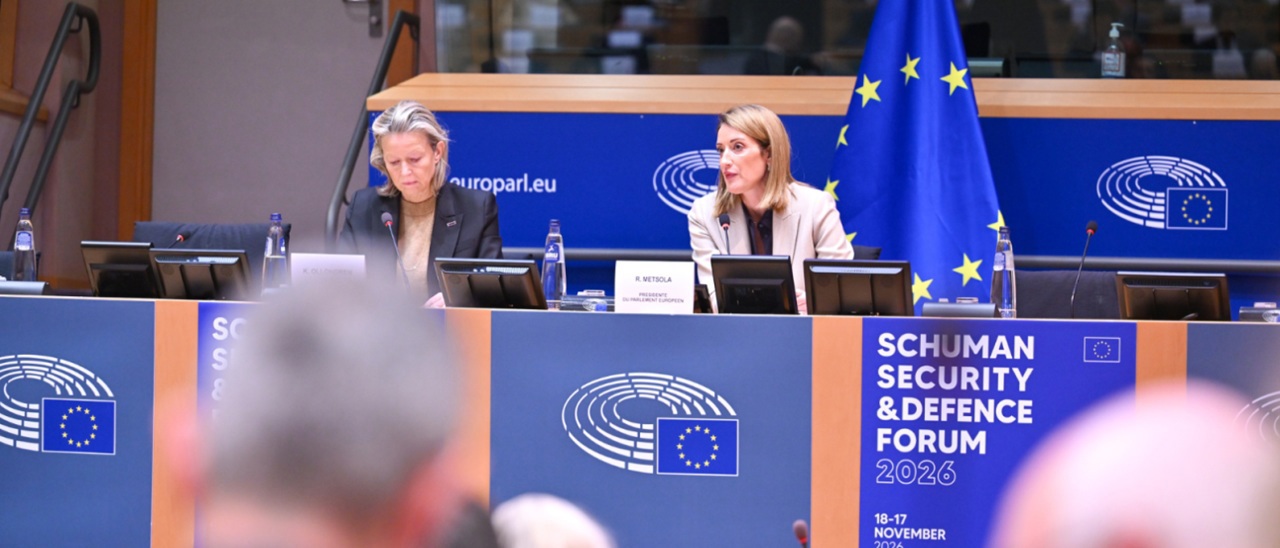
The event on November 18 brought together high-level decision-makers from over 85 partner countries, representatives of international and regional organizations, as well as experts in the fields of security and defense, and members of the academic community.
During his remarks on the panel titled “Strengthening Mutual Resilience in the Face of Hybrid Threats,” Minister Nosatîi highlighted the progress made by our country in bolstering security and modernizing the defense sector.
Furthermore, the Minister emphasized the importance of continuing sectoral reforms to effectively address current challenges and support the country’s development trajectory.
“We have made significant progress in modernizing the defense sector, including through the acquisition of new equipment and systems for monitoring, surveillance, and early warning, as well as the development of anti-drone capabilities. We thank our European partners for their consistent support. However, the dynamics of the security environment and the increasingly complex nature of hybrid threats compel us to continue and fooster our efforts. It is crucial to understand that these challenges cannot be managed solely through individual actions; rather, they require the development of cooperation with partners and the utilization of collective security mechanisms—both of which are essential for effectively responding to current risks,” stated Anatolie Nosatîi.
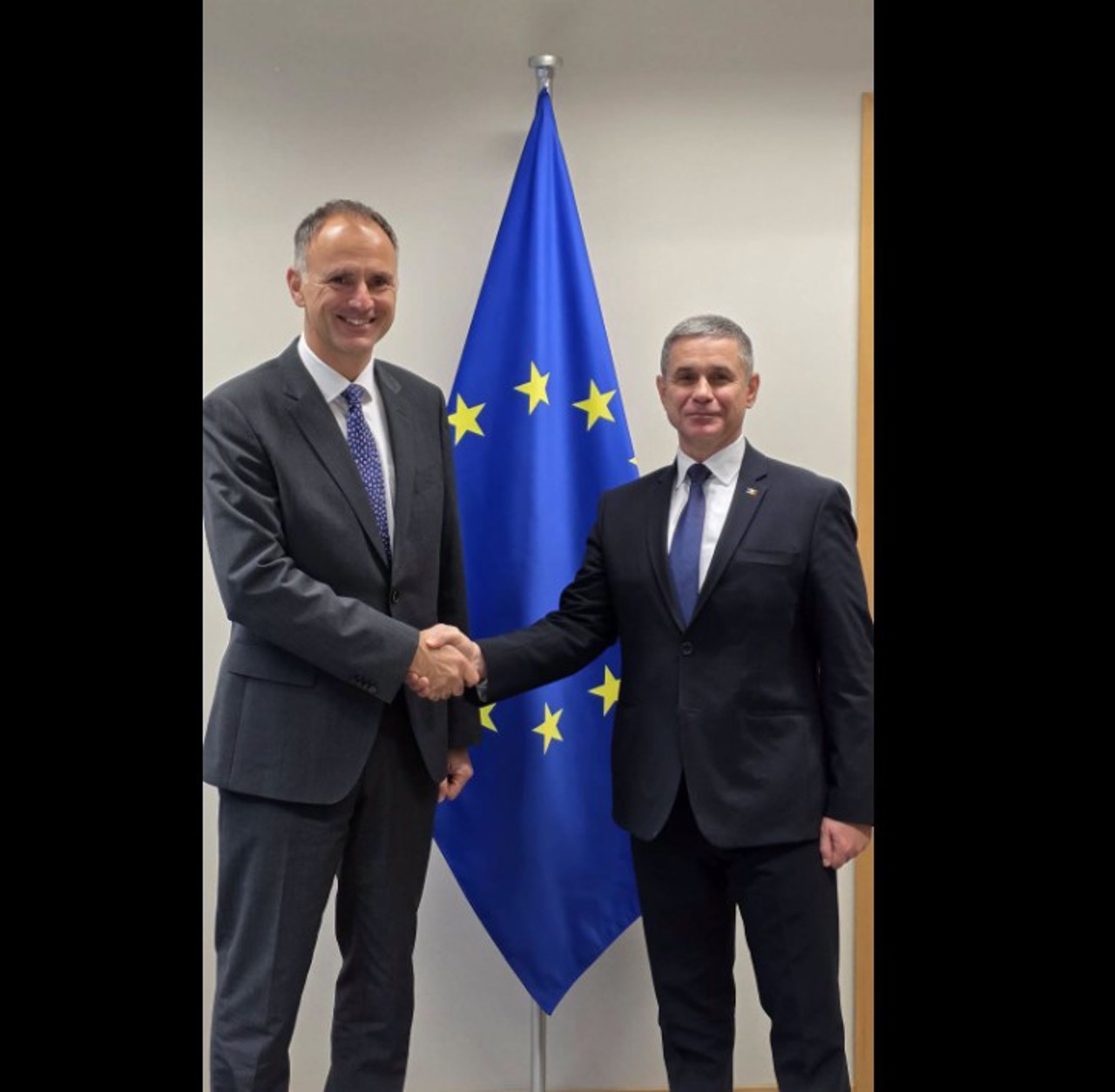
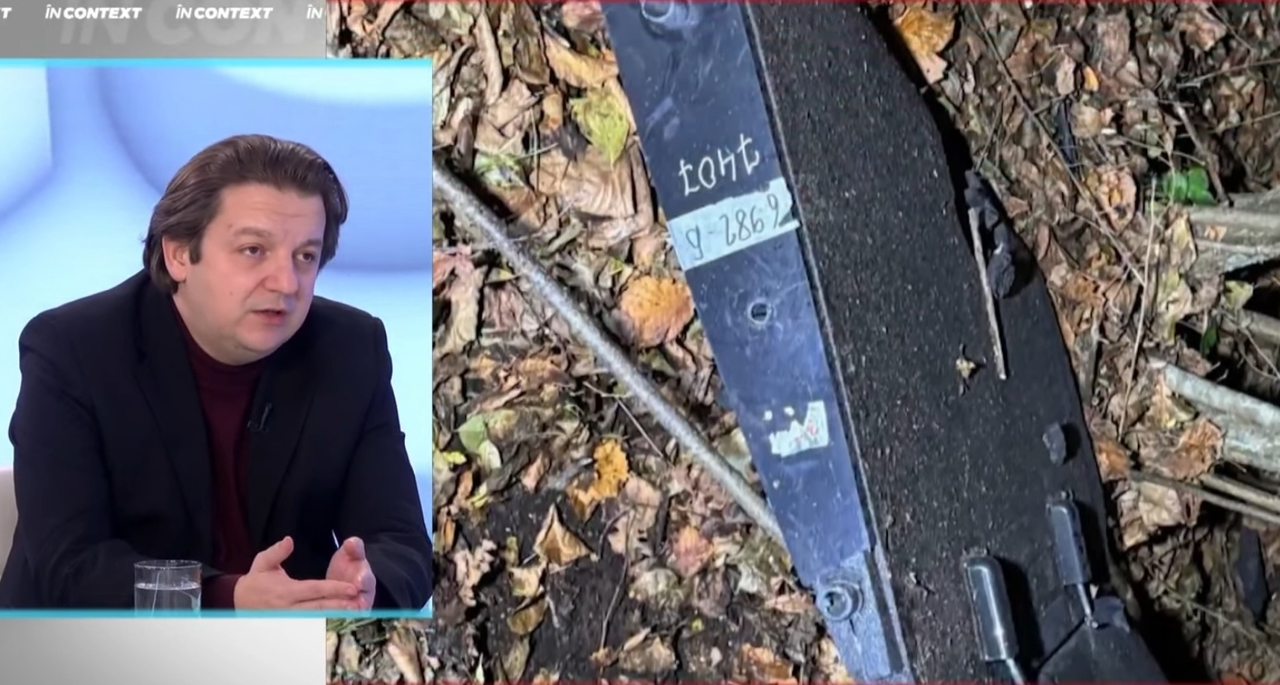
Also in Brussels, the Minister of Defence discussed the security situation in the Republic of Moldova with several European officials and counterparts. They addressed current challenges in this area—notably the unauthorized overflights of the Republic of Moldova’s airspace, which have intensified in recent years and pose a risk to the safety of its citizens.
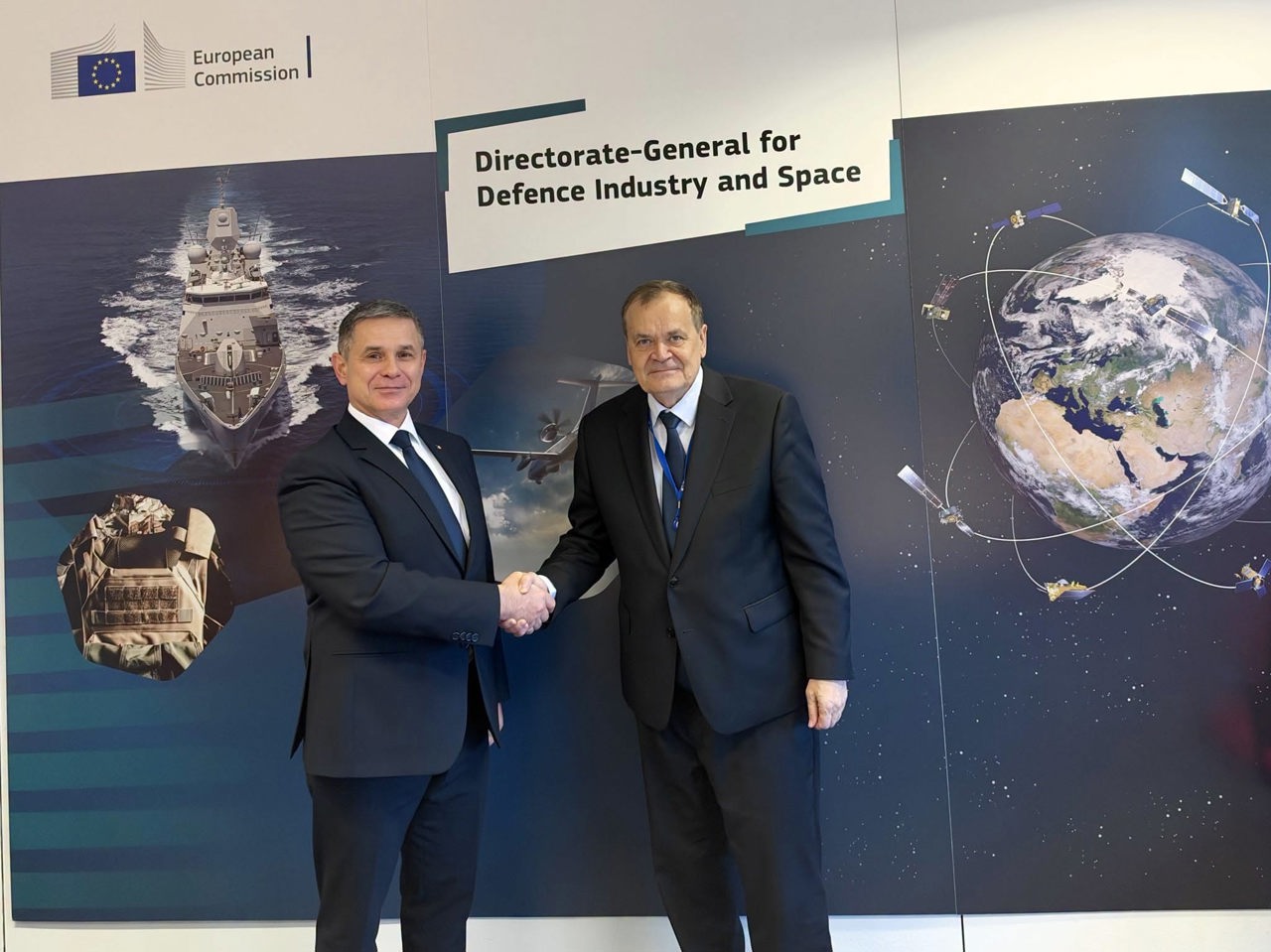
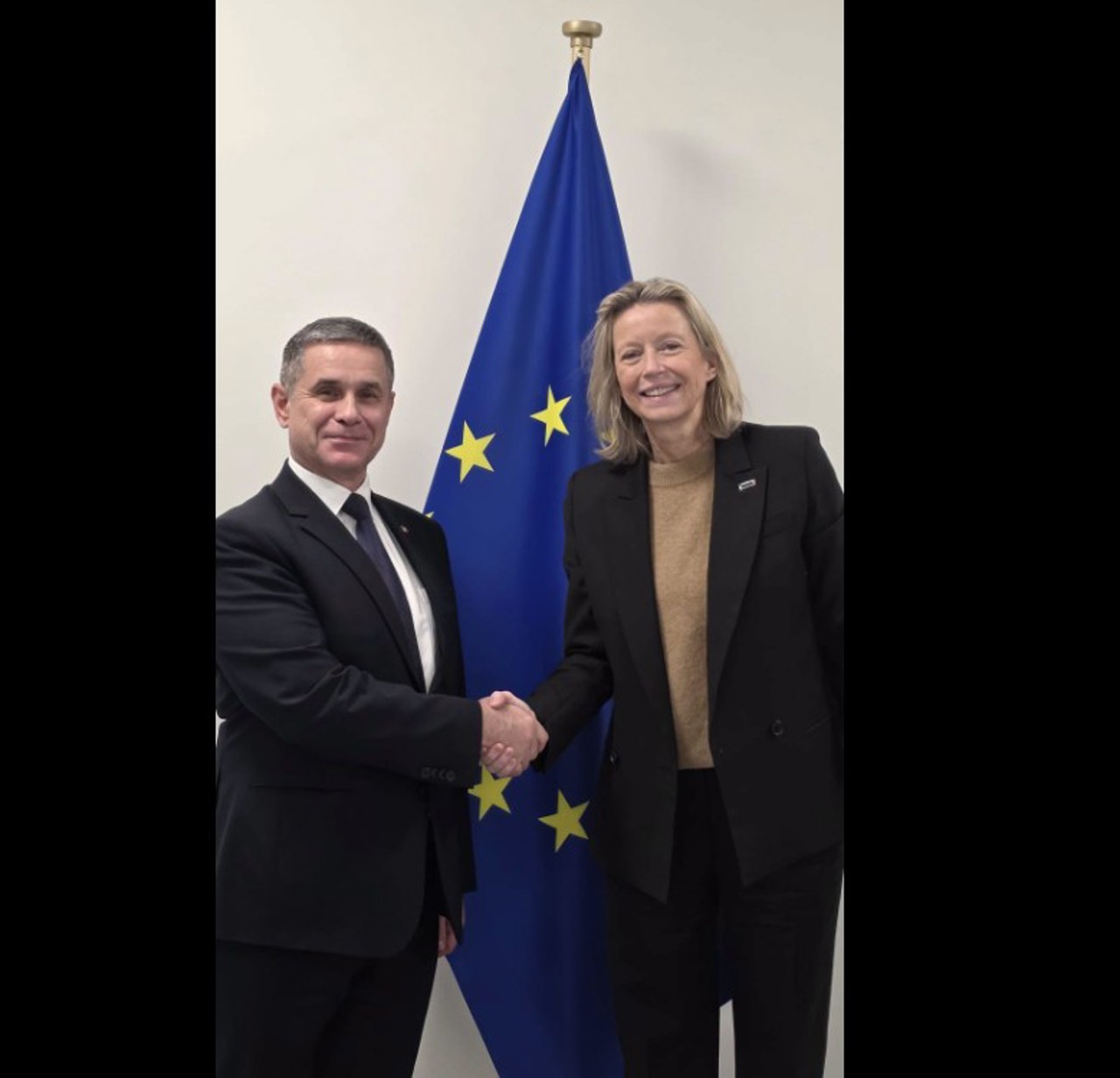
This topic was raised during meetings with the Secretary-General of the European External Action Service; Kajsa Ollongren; Timo Pesonen, Director-General for Defence Industry and Space at the European Commission; André Denk, Executive Director of the European Defence Agency; General Seán Clancy, Chairman of the European Union (EU) Military Committee; as well as other European officials and counterparts.
Minister Nosatîi expressed appreciation for the support provided by EU member states toward strengthening the Republic of Moldova’s defense capabilities and enhancing its national resilience against hybrid threats—notably through the European Peace Facility and the EU-Moldova Security and Defence Partnership.
Furthermore, Anatolie Nosatîi reaffirmed the country’s commitment to becoming a reliable partner within the European defense architecture by developing sectoral capabilities and intensifying cooperation in the defense industry.
The discussions also covered the Republic of Moldova’s European integration path and the progress made toward achieving this strategic objective for the country’s development. The discussions also addressed the Republic of Moldova’s participation in EU-led peacekeeping operations, which fosters greater interoperability and reaffirms the nation’s commitment to promoting international peace and stability.
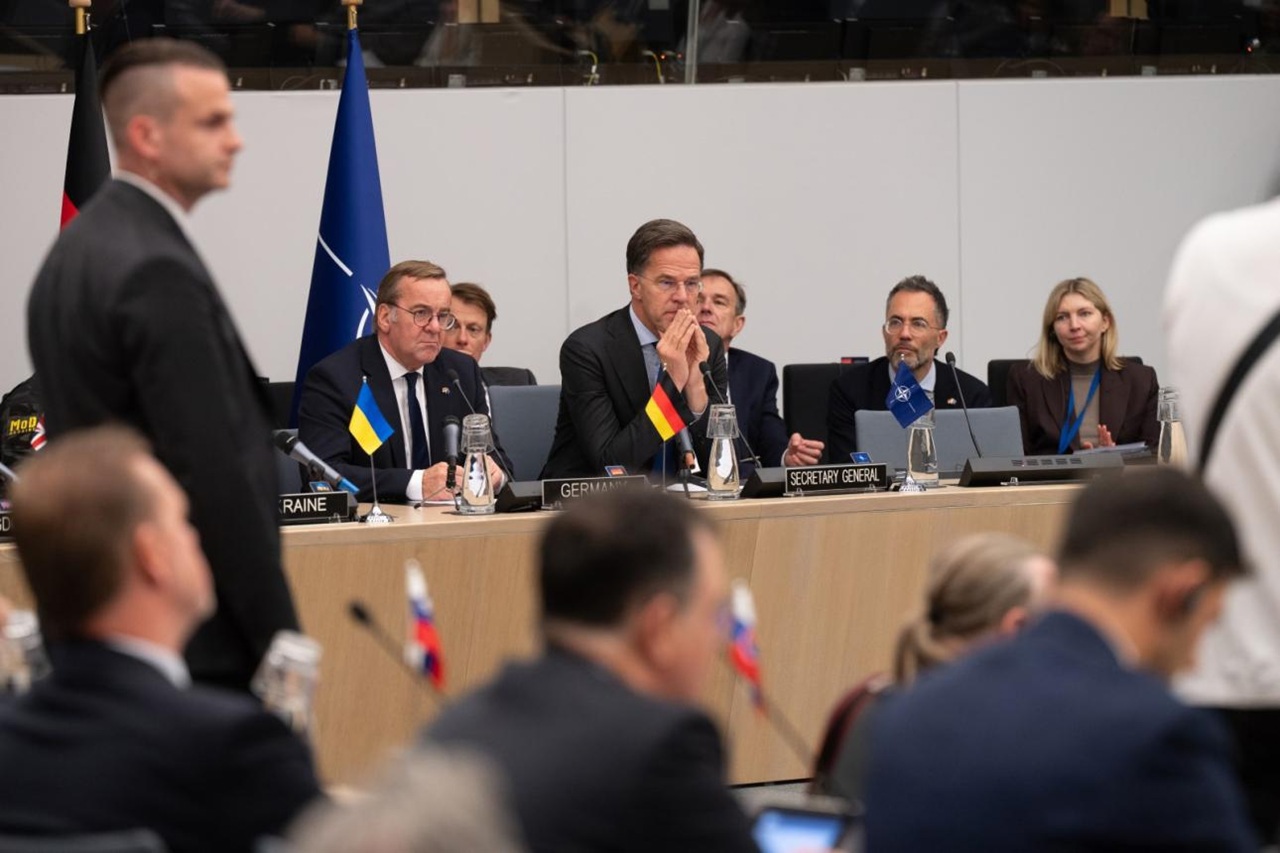
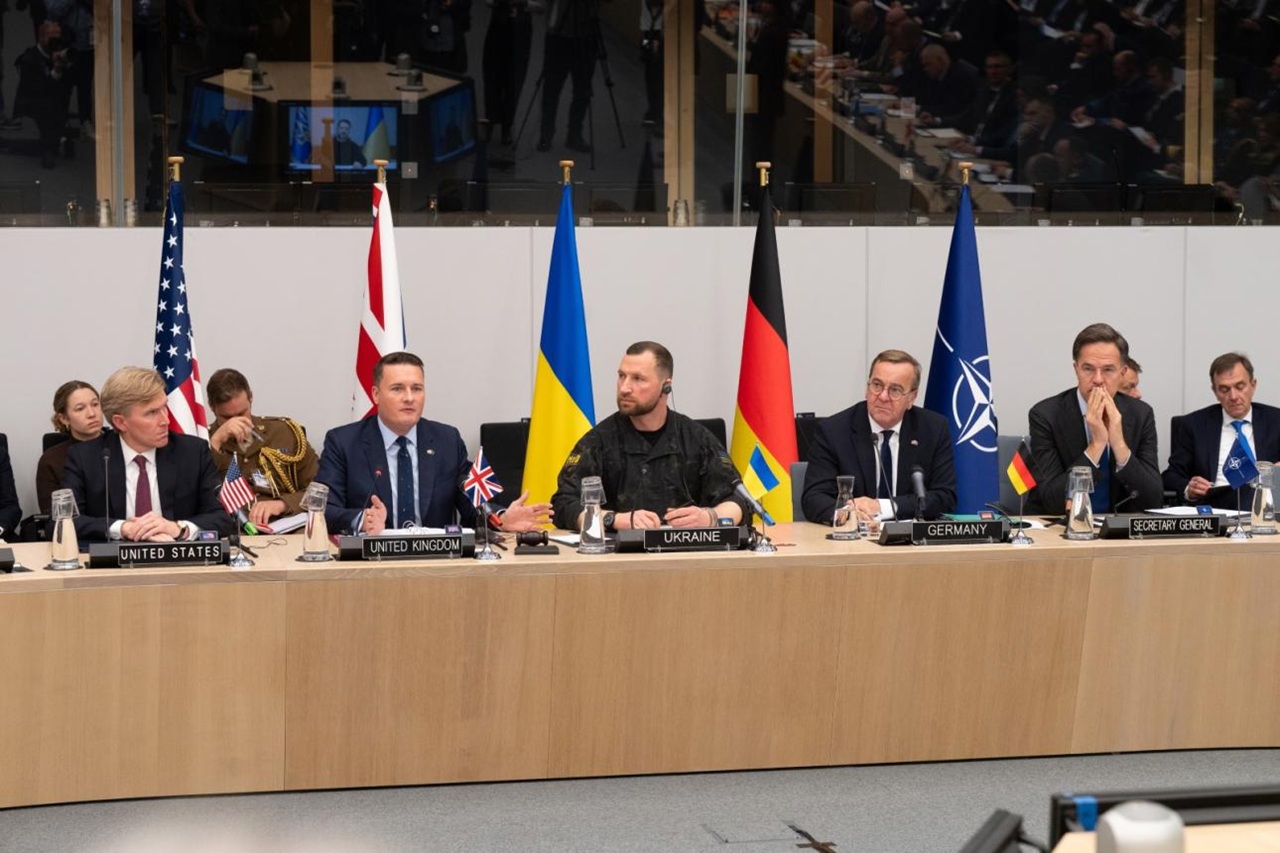
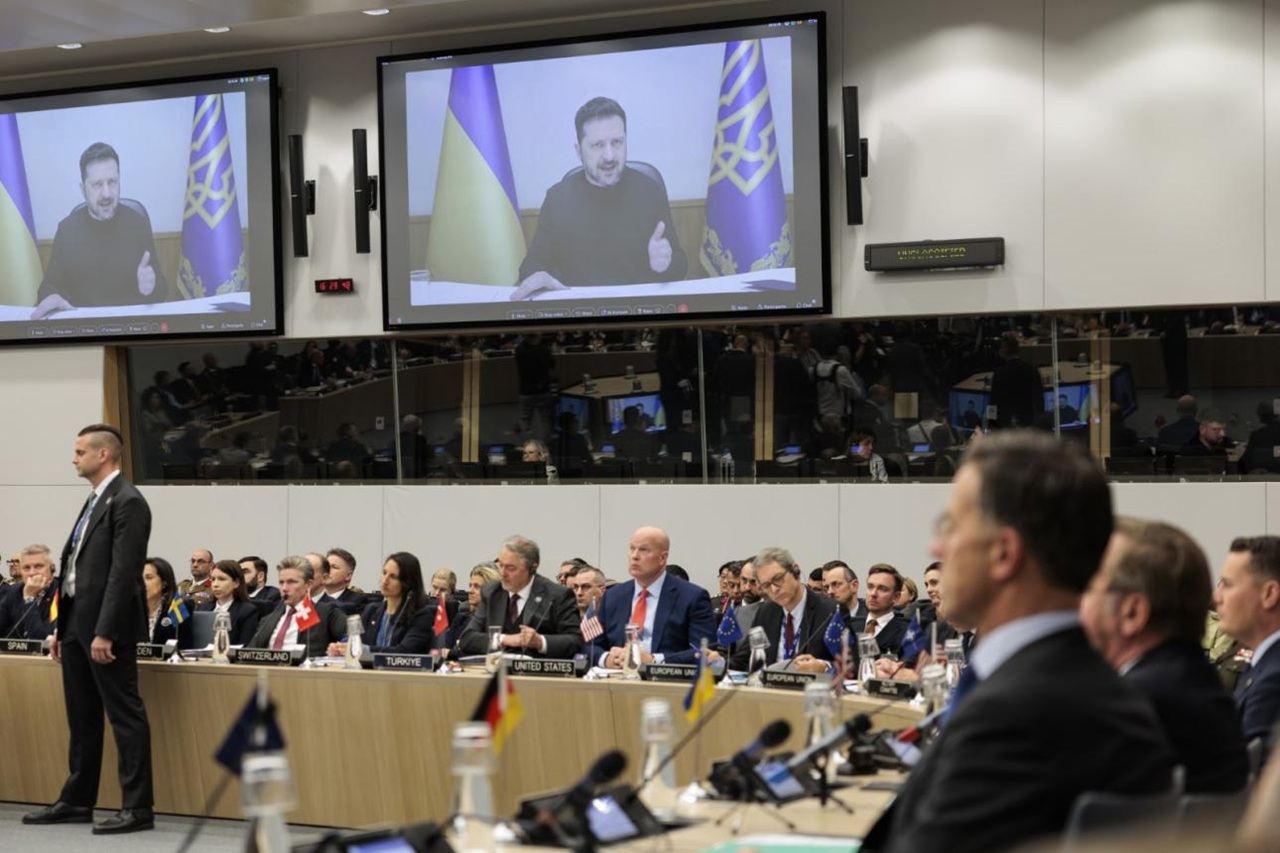
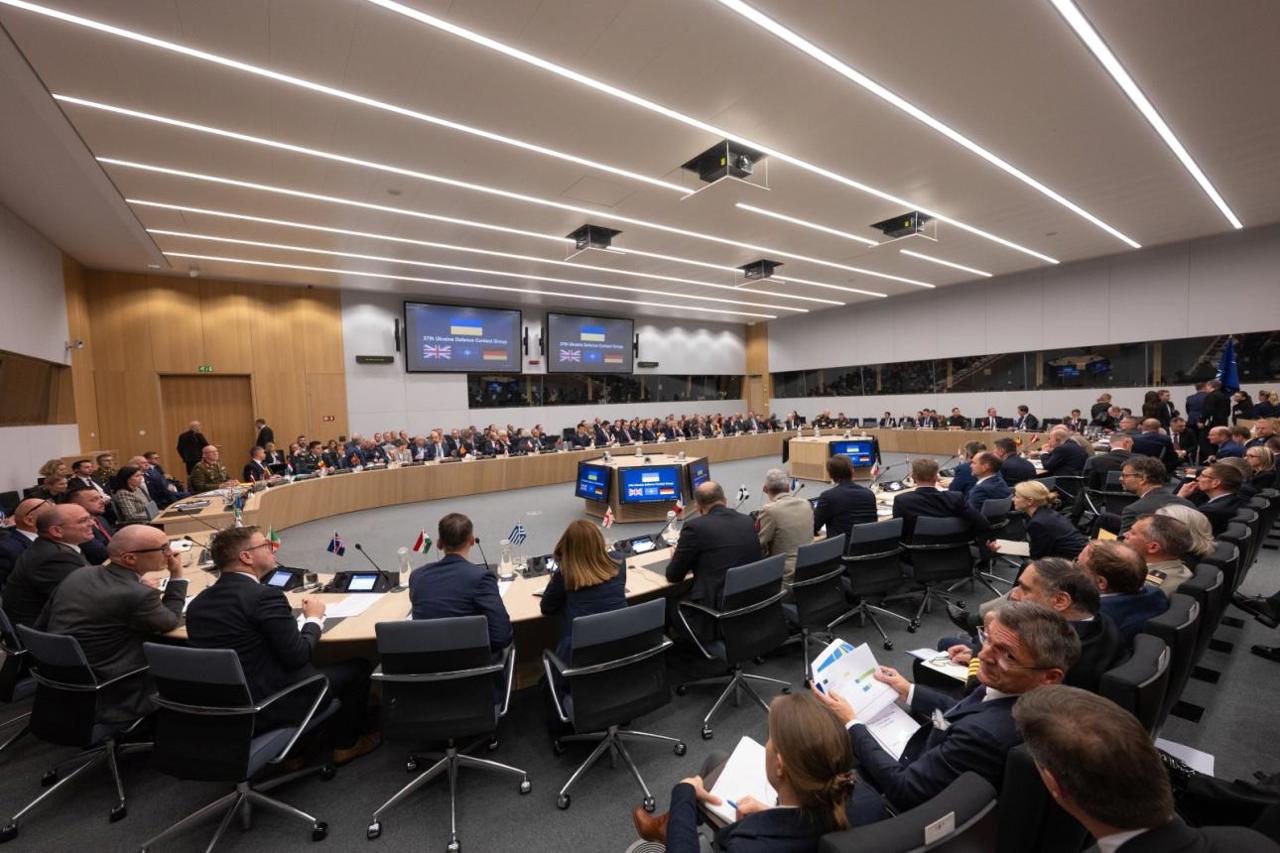
The visit to Brussels also included participation—as an observer—in a meeting of the Ukraine Defense Contact Group, a platform for dialogue and the coordination of international efforts in support of the neighboring country.
Minister of Defense Anatolie Nosatîi paid a working visit to Brussels from November 17–18, at the invitation of Kaja Kallas, the EU High Representative for Foreign Affairs and Security Policy and Vice-President of the European Commission.