Cuciurgan thermal power plant resumes gas use, partly relying on reserves
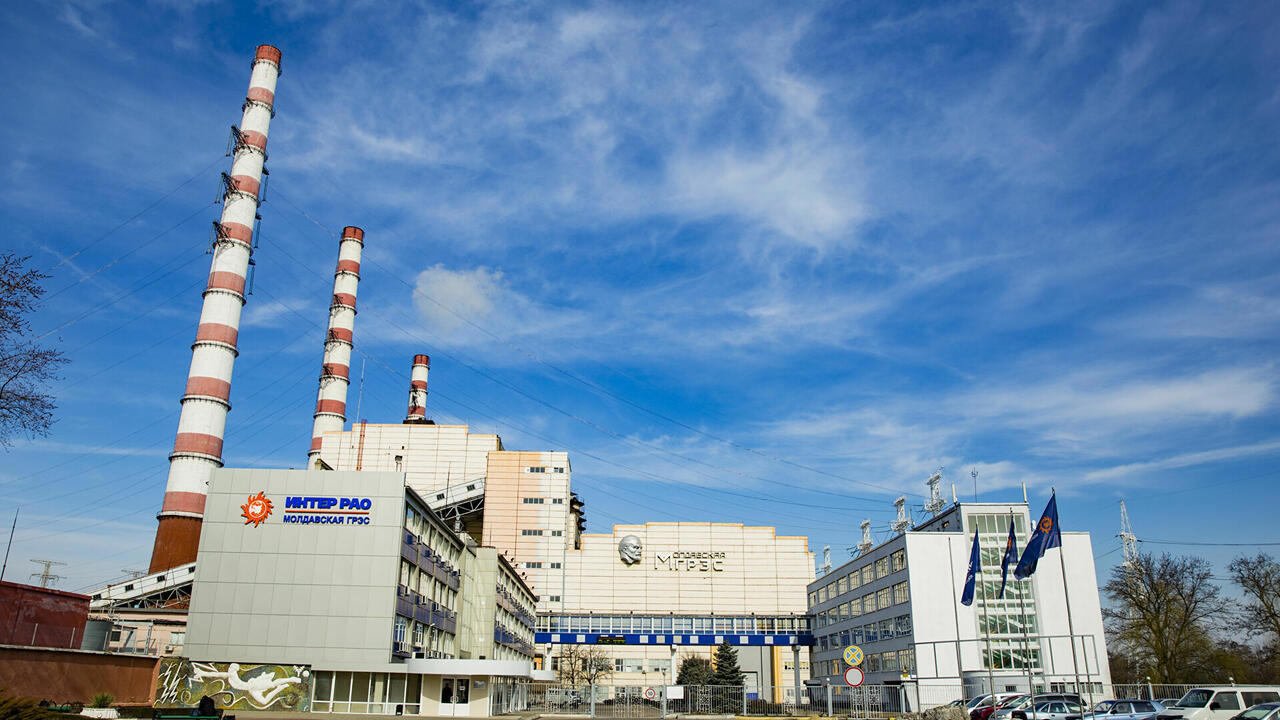
Cuciurgan thermal power plant has resumed operating on natural gas after using coal for about a week due to reduced supplies to the Transnistrian region. Gas deliveries were restored on the morning of November 20, following delays in payments that had triggered renewed energy difficulties on the left bank of the Nistru
For Saturday, November 21, gas consumption in the Transnistrian region is estimated at 2.7 million cubic meters—a volume intended for the general population and social institutions, as well as for the Cuciurgan power plant. This information was provided by the interim head of Moldovagaz, Vadim Ceban, in a statement to Radio Free Europe.
However, resuming supplies at normal levels does not mean gas provision relies solely on current purchases. A portion of the consumption continues to be covered by previously accumulated stocks.
"We are supplying the region both through the current natural gas contract and, in part, from reserves—within the volume limits approved by the regulator for each month," explained Vadim Ceban.
The company did not specify what proportion of the gas supplied comes from new purchases versus existing reserves. Furthermore, the amounts drawn from these stocks to date, as well as the methods for replenishing them, have not been disclosed. The interim head of Moldovagaz cited the commercially sensitive nature of this information.
Power plant’s coal reserves dwindling
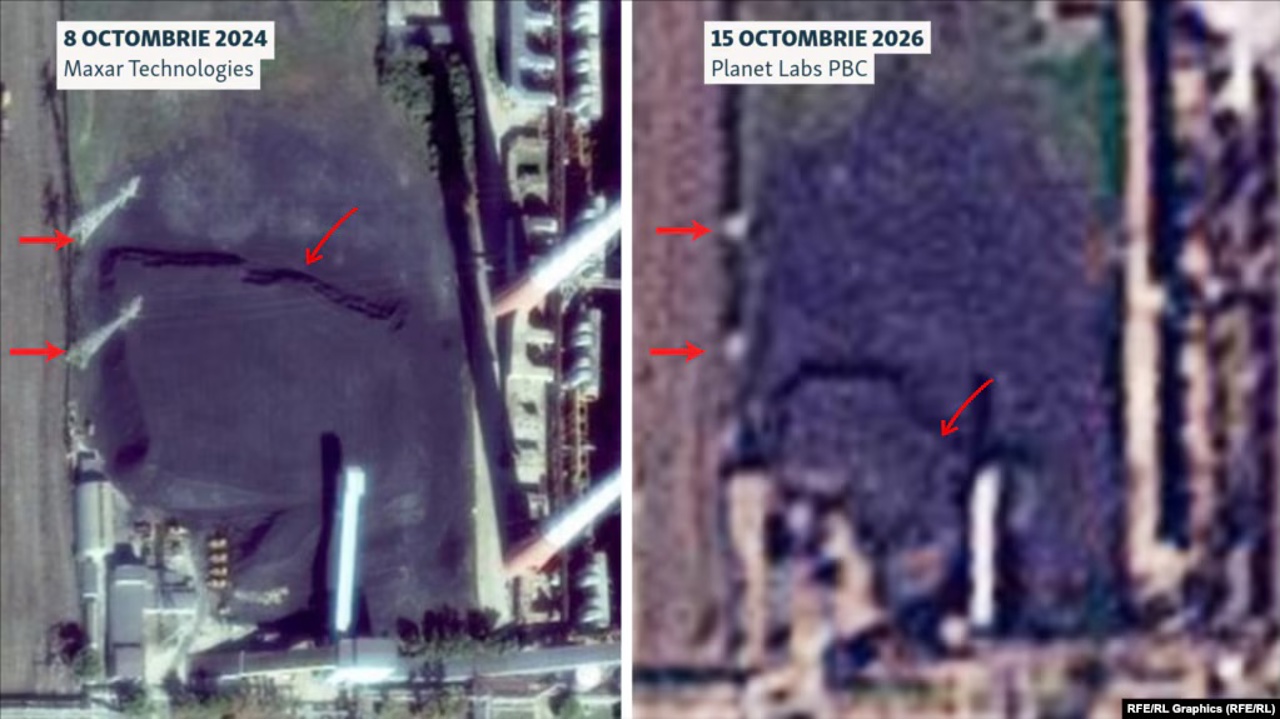
Supply issues resurfaced in mid-November due to delays in gas payments. On November 15, Moldovagaz drew on reserves, while the Cuciurgan power plant switched to coal-based electricity generation.
However, coal stocks are limited. According to Radio Free Europe, satellite imagery suggests that a large portion of these reserves was consumed during the energy crisis of January 2025. The power plant—owned by the Russian company Inter RAO and controlled by the separatist administration in Tiraspol—had already switched to coal at least twice in 2026.
Gas supply remains dependent on Russian funding
Since 2025, after Russia stopped transiting gas through Ukraine, the Transnistrian region has been supplied through an alternative mechanism funded by Russia. Gas is purchased on the European market, transported to the border of the Republic of Moldova by the MET Group, and then taken over by Moldovagaz for delivery to the left bank of the Nistru.
Supplies depend on advance payment, and payment delays have repeatedly led to reductions in the volumes provided. For the 2026–2027 cold season, reserves of approximately 136 million cubic meters of gas have been established, which can be used in the event of supply disruptions.
Upon returning from a visit to Moscow on November 15, separatist leader Vadim Krasnoselski provided assurances that Russia would continue to fund the procurement of energy resources. For his part, Tiraspol's economy chief, Serghei Obolonik, said funds are available for gas procurement until April 1, 2027.
Meanwhile, the European Union’s offer of 60 million euros to support the population in the Transnistrian region remains on the table. European Commissioner Marta Kos reaffirmed the availability of these funds on November 10; however, the Tiraspol administration has not yet accepted the conditions attached to this European assistance.
The energy crisis in the Transnistrian region began in January 2025, following the suspension of gas supplies by Gazprom and the cessation of transit through Ukraine. Although supplies were subsequently resumed, recurring payment issues continue to affect the region's energy security.