Energy alert extended 30 days; Tofan says tensions remain
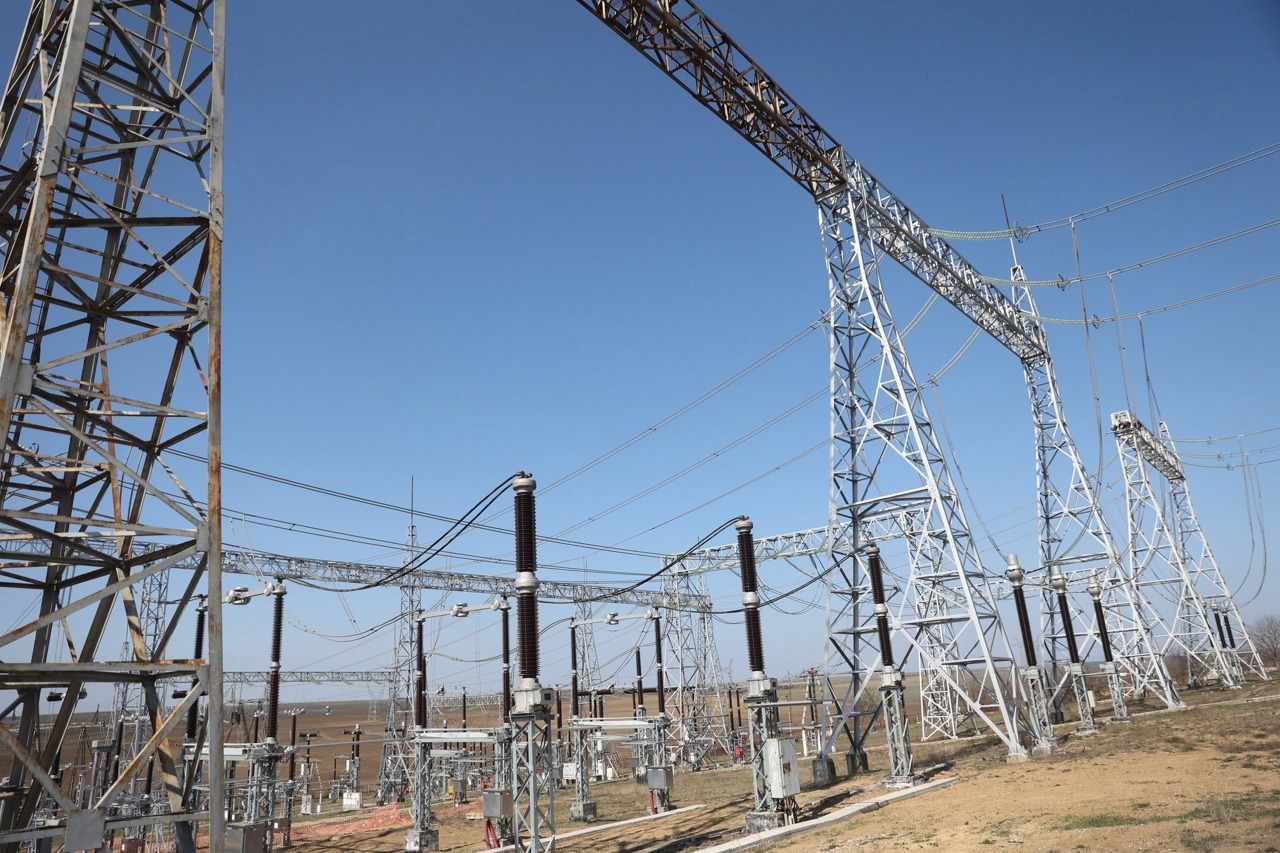
The state of alert in the energy sector will remain in force across the Republic of Moldova for another 30 days. The Cabinet of Ministers unanimously approved the decision at its meeting on November 25. The measure aims to address risks to the security of electricity, heating, and petroleum product supplies during the 2026–2027 cold season.
The draft was developed by the National Crisis Management Center, in conjunction with the Ministry of Energy, based on an analysis of risk indicators for the cold season, which reveals the persistence of certain vulnerabilities within the energy sector.
According to the document, the Ministry of Energy will manage the crisis response, while the National Crisis Management Commission will coordinate actions and make strategic decisions.
During the state of alert, the Commission may mandate measures to prevent potential supply difficulties.
These include limiting electricity exports during periods of heightened risk, reducing consumption during peak hours, and prioritizing energy supply to hospitals, emergency services, and critical infrastructure.
Furthermore, the authorities can temporarily release stocks from the state reserve—by way of a loan—facilitate the import of petroleum products, and adopt measures to protect reserves intended for the domestic market.
The document also provides for the establishment of a transitional regime for fuel stations that use non-compliant measuring systems, the maintenance of the current methodology for calculating maximum diesel prices, and the daily reporting of stocks, imports, and deliveries of petroleum products, as well as the status of natural gas supplies.
Although hydrological risks have diminished following the return of precipitation, the energy sector remains strained—a fact that justifies maintaining the state of alert, Prime Minister Vasile Tofan said during the Government meeting. "We experienced two months of a state of emergency regarding both the energy and hydrological sectors. Fortunately, the hydrological issue has been resolved; the rains started, and the situation has improved. On the energy front, however, the period remains tense and full of challenges. For this reason, it is appropriate to maintain the state of alert," the Prime Minister stated.
According to the authors of the draft proposal, maintaining the state of alert is intended to ensure the continued supply of energy and petroleum products throughout the cold season, by implementing measures proportionate to the level of the identified risks.
A state of emergency in the energy and water sectors was initially declared on September 26, for a period of 60 days.
This special regime enabled the authorities to intervene more swiftly to prevent potential shortages of fuel, natural gas, and electricity, as well as to manage risks arising from low water levels in the Nistru and the Prut.