Chisinau dismisses claims of anti-Russian provocations amid Russia's new diversionary tactics
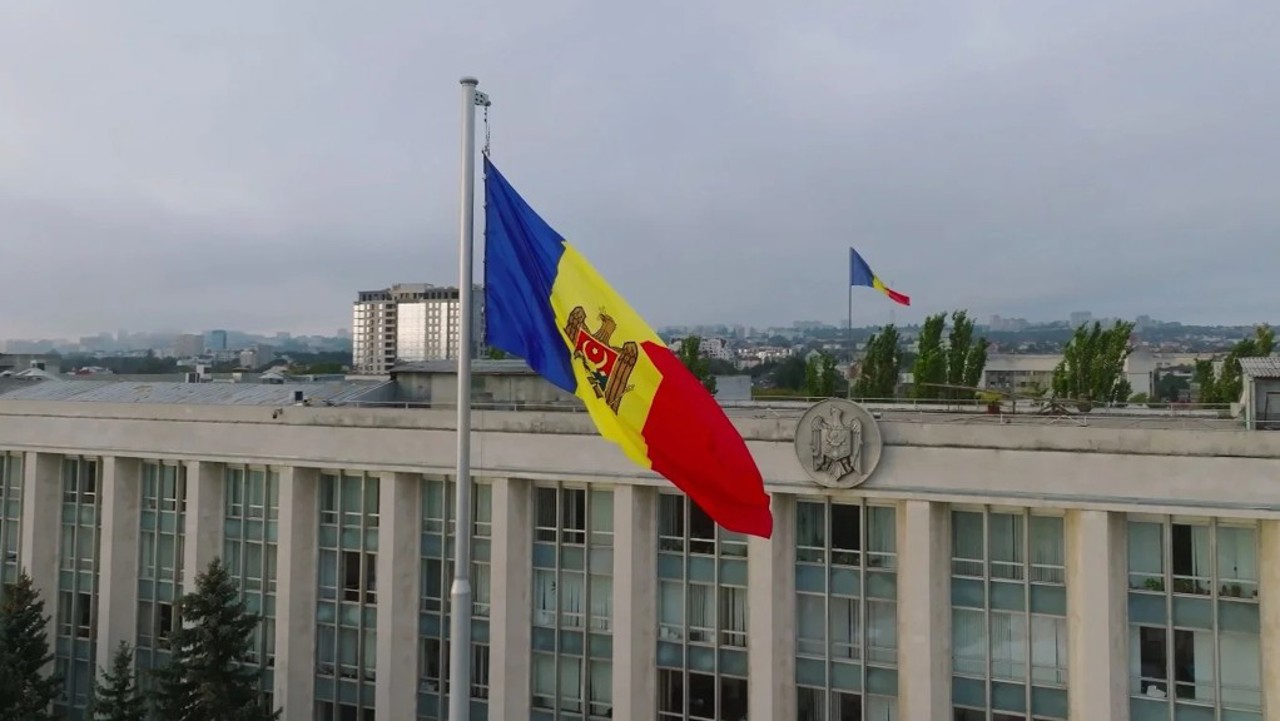
Moldovan authorities have described statements by the Russian Embassy in Chișinău about alleged preparations for anti-Russian provocations as another disinformation attempt, aimed at diverting attention from repeated violations of the Republic of Moldova’s airspace by Russian drones, which pose a threat to citizens’ safety.
"Russia is resorting to new information-based diversions to distract from the increasingly frequent incursions into our airspace by drones, which endanger our citizens," stated Government spokesperson Dumitru Ciorici on Thursday, November 26.
For his part, Daniel Vodă—an associate expert in foreign policy and strategic communication—noted that the Russian diplomatic mission failed to provide any verifiable information to substantiate the alleged provocation. Instead, it resorted to accusations and insinuations that could be interpreted as threats against the authorities in Chișinău.
"On November 24, the Russian State Duma approved the budget for 2027, allocating approximately 44% of federal spending to defense, security, and law enforcement. Nearly half the budget! And this, while Moscow speaks to us about peace," the expert pointed out.
Daniel Vodă urged citizens to remain calm, rely on credible sources for information, and avoid falling into the trap of provocations, disinformation, and propaganda.
These reactions follow a statement released by the Russian Embassy in Chișinău on November 25. The diplomatic mission claims to have received information regarding a planned anti-Russian provocation—set to take place in the coming days—intended to severely damage relations between Russia and the Republic of Moldova. The Embassy urged the authorities in Chișinău not to be drawn into a confrontation with Russia and to refrain from imprudent actions that could lead to escalation.
President Maia Sandu recently warned, during a meeting of the NATO Parliamentary Assembly on November 23, that Russia is waging a "cognitive war" against the Republic of Moldova through disinformation, manipulation, and attempts to influence the decisions of its citizens. Furthermore, the war launched by Russia against Ukraine poses growing risks to the country's security. In 2026 alone, the authorities recorded over 80 incidents involving drones and other aerial threats.
On the afternoon of November 17, authorities reported 10 separate aerial incidents. Each was followed by attempts at information manipulation; meanwhile, Moscow denies any responsibility—even in cases where markings such as "Geran" were found on recovered drone fragments.
Oleg Ozerov, Russia’s designated ambassador to Chișinău, was summoned to the Ministry of Foreign Affairs. During the meeting, he suggested that the incidents might be provocations orchestrated by Ukrainian special services, intended—in his view—to strain relations between Moscow and Chișinău. The diplomat, however, provided no evidence to support these claims.