Moldova moves to vet 100 more judges and revise expert voting rules
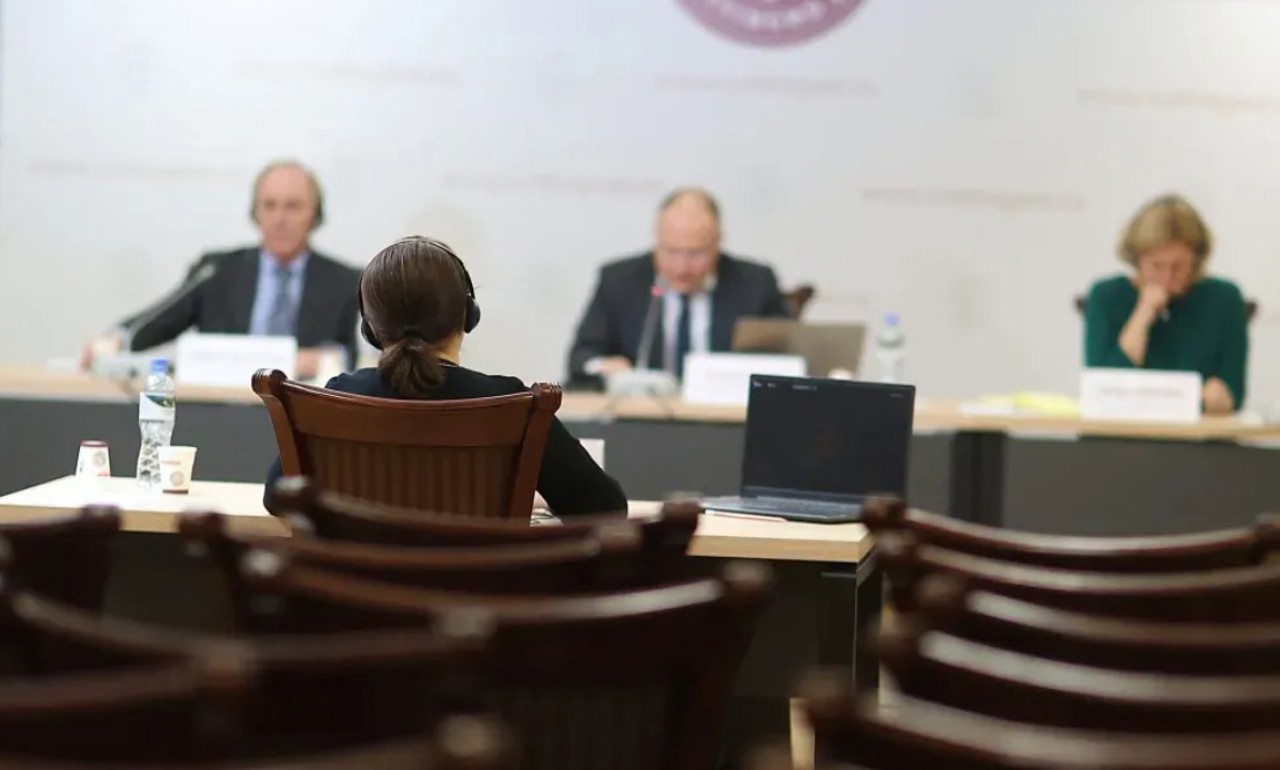
Moldova's Parliament approved legislation in its first reading to subject roughly 100 more judges to external vetting and revise appointment rules for international panelists after a Constitutional Court ruling.
Lawmakers backed both a government-sponsored bill on expanding judicial integrity checks and streamlining court workflows, and a separate initiative from the opposition Our Party on selecting international experts. The two drafts will be merged before the final reading.
Five new categories of judges face vetting
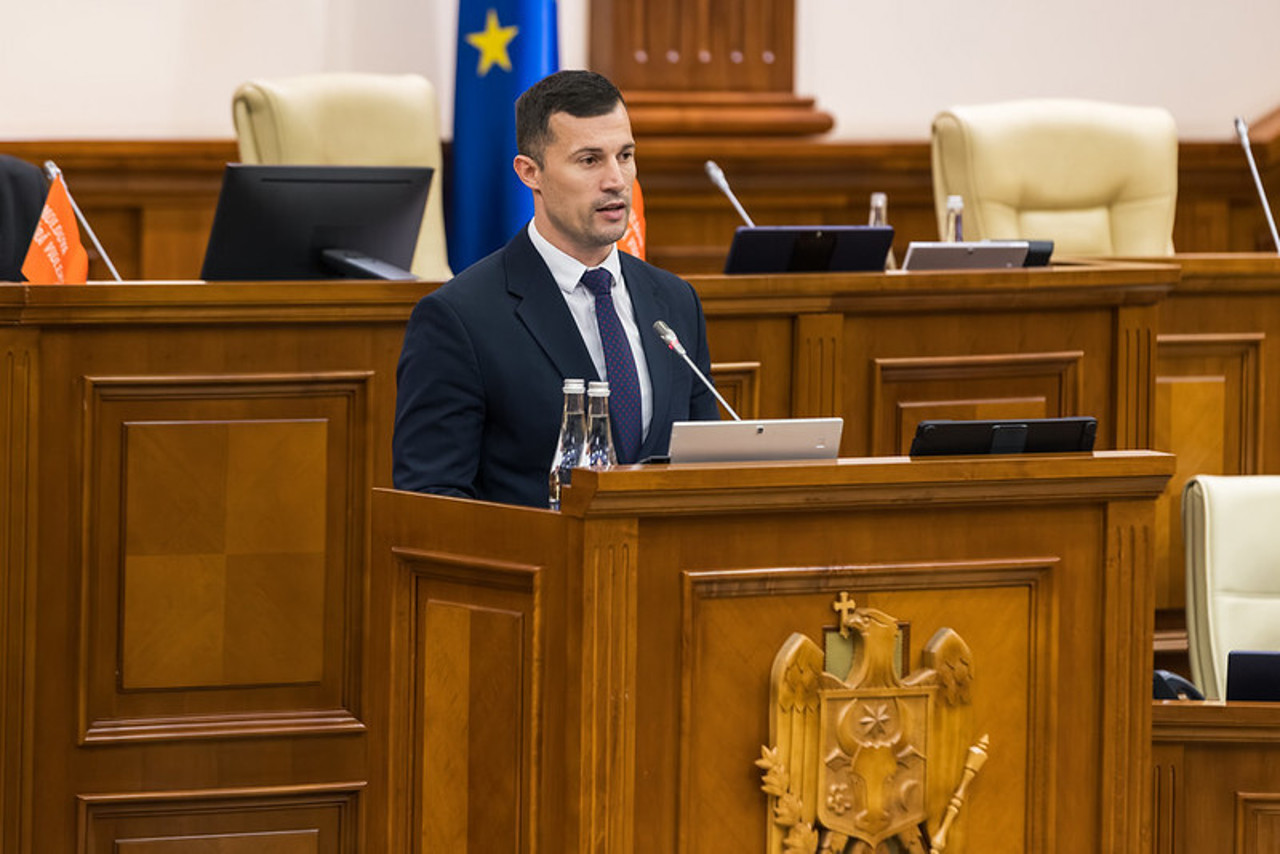
State Secretary at the Ministry of Justice Mihai Gheorghieș told Parliament that the expanded screening primarily targets insolvency and liquidation judges, administrative litigation judges, and investigating judges at the Chișinău and Bălți courts appointed before May 1, 2023.
The bill also covers magistrates temporarily transferred to courts of appeal or the Supreme Court of Justice, as well as judges who applied for higher court or judicial leadership competitions and later withdrew.
Gheorghieș said the measure aims to verify the integrity of magistrates presiding over cases with major economic and institutional consequences.
“Administrative litigation judges are the ones who must ensure oversight of public administration actions and protect citizens' rights in relation to the state,” said Gheorghieș. “In the case of insolvency judges, we are talking about files with significant economic impact, including on the business environment and investment. It is important to have judges of integrity in these areas too, because their rulings can carry major consequences.”
Deadline extended through 2027
Under the draft law, the mandate of the judge and prosecutor vetting commissions moves to December 31, 2027. Gheorghieș noted that about 10 judges and slightly more prosecutors remain under review in the current phase.
Adding roughly 100 magistrates increases the workload, as a single commission evaluates about 60 candidates on average. The government has expanded the number of commissions, panel members, and secretariat staff to avoid any further extensions.
“What we aim for is that by the end of 2027 they finish evaluating all candidates so that an actual extension is no longer necessary,” said Gheorghieș.
Vasile Grădinaru, a lawmaker from the ruling Action and Solidarity Party (PAS), backed the expansion by citing controversial rulings in high-profile cases. He pointed to the release of former MP Vladimir Andronachi on €1,000 (approx. 20,190 MDL) bail while under investigation in the 2014 billion-dollar bank fraud case.
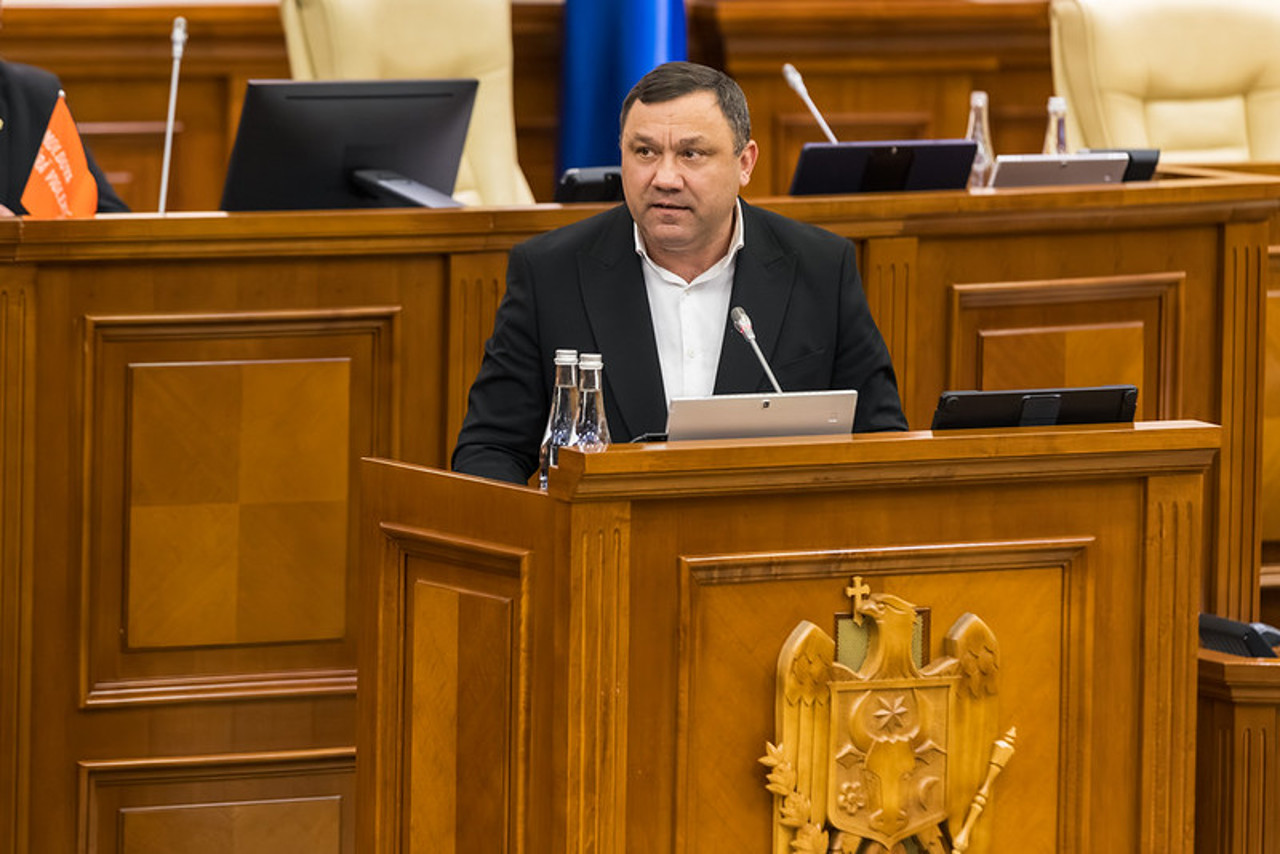
“There is also a financial motivation, because these judges receive lower pay than those who have been vetted,” said Grădinaru. “I think the most telling case is the one in which Vladimir Andronachi was released on €1,000 bail while under investigation in a case linked to the billion-dollar theft. Unfortunately, it is not an isolated case.”
Grădinaru added that clear rules for appointing international experts would prevent deadlocks in the vetting commissions and strengthen public trust in court rulings.
Single-judge reviews to ease appellate backlogs
A second pillar of the legislation seeks to reduce caseloads at courts of appeal and shorten trial timelines. Judge-rapporteurs will handle admissibility checks and case preparation, while a single judge will be allowed to decide certain categories of disputes.
The change applies to low-value civil cases, criminal appeals involving non-custodial sentences, and select misdemeanor cases that do not carry administrative detention. The bill also narrows administrative litigation appeals at the Supreme Court of Justice to points of law rather than factual reviews.
Grădinaru said resignations and failed vetting checks have left remaining appellate judges overwhelmed.
“We all know that once judicial vetting was announced, some judges left and others failed the evaluation,” said Grădinaru. “As a result, the burden on appellate court judges is very heavy. There are hundreds and thousands of pending files, and even fairly simple cases currently require a three-judge panel.”
New appointment rules after Constitutional Court ruling
The legislation also overhauls how Parliament appoints international members nominated by development partners to the vetting commissions. Lawmakers will vote on each nominee individually rather than in a single block.
If a candidate fails to secure the required three-fifths supermajority of elected lawmakers, a fallback deadlock-breaking mechanism can be triggered. Under the government's text, Parliament's Legal Committee would hold consultations with all parliamentary factions within 15 days before a repeat vote requiring a majority of elected MPs, or at least 51 votes.
“Through the amendment we propose, you will be able to vote on each nominee individually,” said Gheorghieș. “If the required number of votes is not met, the Legal Committee will organize consultations with all parties within 15 days and put the nomination to a vote again, with the unblocking mechanism being a majority of elected lawmakers.”
The merged Our Party initiative, also aimed at reflecting Venice Commission and Council of Europe recommendations, proposes added procedural safeguards. It calls for separate committee and plenary reports for each candidate, bans repeat votes during the same plenary sitting, and sets a mandatory gap of at least 10 working days for consultations with all factions, including the opposition, followed by a reasoned report.
The overhaul follows an October 15 Constitutional Court ruling that struck down an earlier amendment lowering the voting threshold from three-fifths to a simple majority. The Court ruled that the provision had been attached to an unrelated bill on protecting judges and prosecutors from assaults and violated the two-reading requirement for organic laws.
The verdict is final and applies only prospectively, prompting opposition demands for the resignation of international vetting expert Herman von Hebel. Grădinaru argued the new draft avoids repeating the earlier error.
“The Court struck it down on procedural grounds, because we breached voting procedure, not on the substance of the solution,” said Grădinaru. “Today we are presenting a bill stating very clearly that three-fifths is required, and if no solution is found at three-fifths, we move to a simple majority, while reviewing each case individually.”
Translation by Iurie Tataru
RELATED COVERAGE
- Moldova expands judicial vetting despite judge resignation risks
- Experts to stay on vetting commission despite court ruling
- Moldova lowers voting threshold to appoint international vetting experts amid transparency concerns
- Moldova's CSM rejects plans for wider judicial vetting
- Ex-MP Vladimir Andronachi stays behind bars as €8M fraud investigation widens