Filipeni’s Turkish Bridge may gain state-protected monument status, opening new funding opportunities
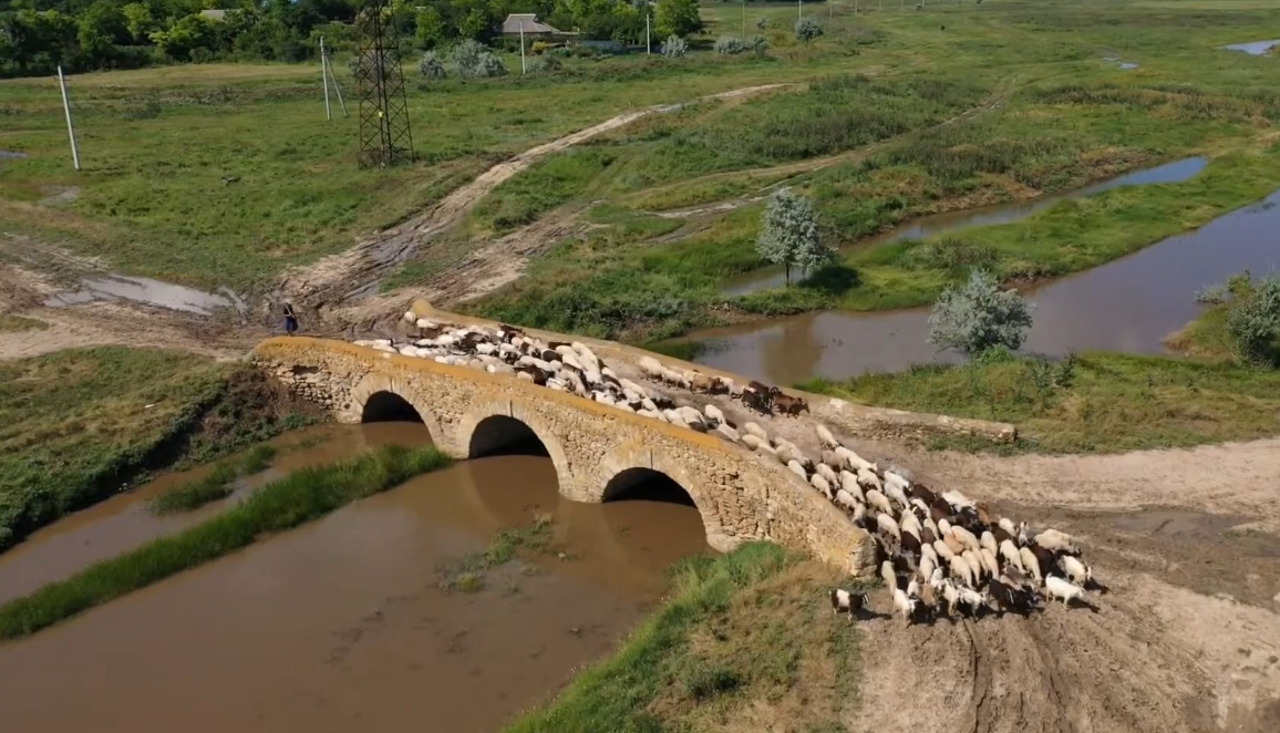
The Turkish Bridge in the village of Filipeni, Leova district, could be designated a national historical monument. Parliament is set to review a draft resolution to include the structure in the Republic of Moldova’s Register of State-Protected Monuments. Local mayor Tudor Camerzan announced this, noting that such status could help secure funding for the bridge’s preservation and restoration.
According to the mayor, the Ministry of Culture has told local authorities that Parliament is reviewing the project. Camerzan says his goal is to turn the bridge into a tourist attraction and develop the surrounding area.
“My intention is for this bridge to be put to good use—to become a tourist attraction and, at the same time, a symbol of our locality. Step by step, we are getting closer to achieving this goal,” wrote Tudor Camerzan on his Facebook page.
The mayor believes inclusion in the register would help secure the resources needed for conservation and restoration work, as well as for development in the area near the bridge.
“Once it gains the status of a state-protected monument, new opportunities will arise to attract funding for the conservation and restoration of the bridge, the development of the adjacent area, the promotion of historical heritage, and the growth of local tourism,” the mayor noted.
What the status of a state-protected monument entails
Inclusion in the Register of Monuments entails the application of specific protection and conservation rules. Under the Law on the Protection of Monuments, authorities are responsible for documenting, studying, protecting, conserving, and restoring the sites included in the register.
Consequently, any interventions on the bridge cannot proceed without adhering to heritage protection requirements. Conservation and restoration projects must be based on specialized studies and receive the necessary approvals from the authorities responsible for cultural heritage.
The law also provides for the possibility of state institutions granting financial and technical support for conservation and restoration work. Funding may come from the state budget, local budgets, donations, or other legal sources. However, obtaining this status does not automatically guarantee funding for the bridge's rehabilitation.
The law stipulates that sites proposed for monument status are protected from the moment the documents initiating this designation are drafted; this is intended to prevent deterioration while the procedure is underway.
The Turkish Bridge in Filipeni is one of seven sites included in a project to update the Register of Monuments, which was approved by the Government on November 12. The same project proposes including five other bridges, as well as the former building of the National Bank of Romania branch in Cahul. For the document to take effect, Parliament must adopt it.
The bridge is constructed of stone and spans the Sărata River. According to information published on the Filipeni City Hall website, the structure dates to the period of Ottoman rule; however, the exact date of its construction remains to be determined through historical research.