Soil degradation costs Moldova $436 million annually. What does the UN recommend?
Soil degradation and drought cause economic losses of approximately 436 million dollars annually in the Republic of Moldova. To limit the damage, the authorities must step up controls on the use of pesticides and chemical fertilizers, expand sustainable agricultural practices, and restore protective forest belts.
The recommendations are contained in the fourth Environmental Performance Review of the Republic of Moldova, prepared under the auspices of the UN Economic Commission for Europe (UNECE). The document examines 11 areas, ranging from the legislative and institutional framework to energy, climate change, public health, water, agriculture, forests, and waste management.
The experts highlight the need for greater investment, better-prepared institutions, and effective control and monitoring mechanisms. At the same time, the review notes the institutional reforms the Republic of Moldova implemented in 2026 and recommends continuing them.
Soil degradation causes losses of hundreds of millions of dollars
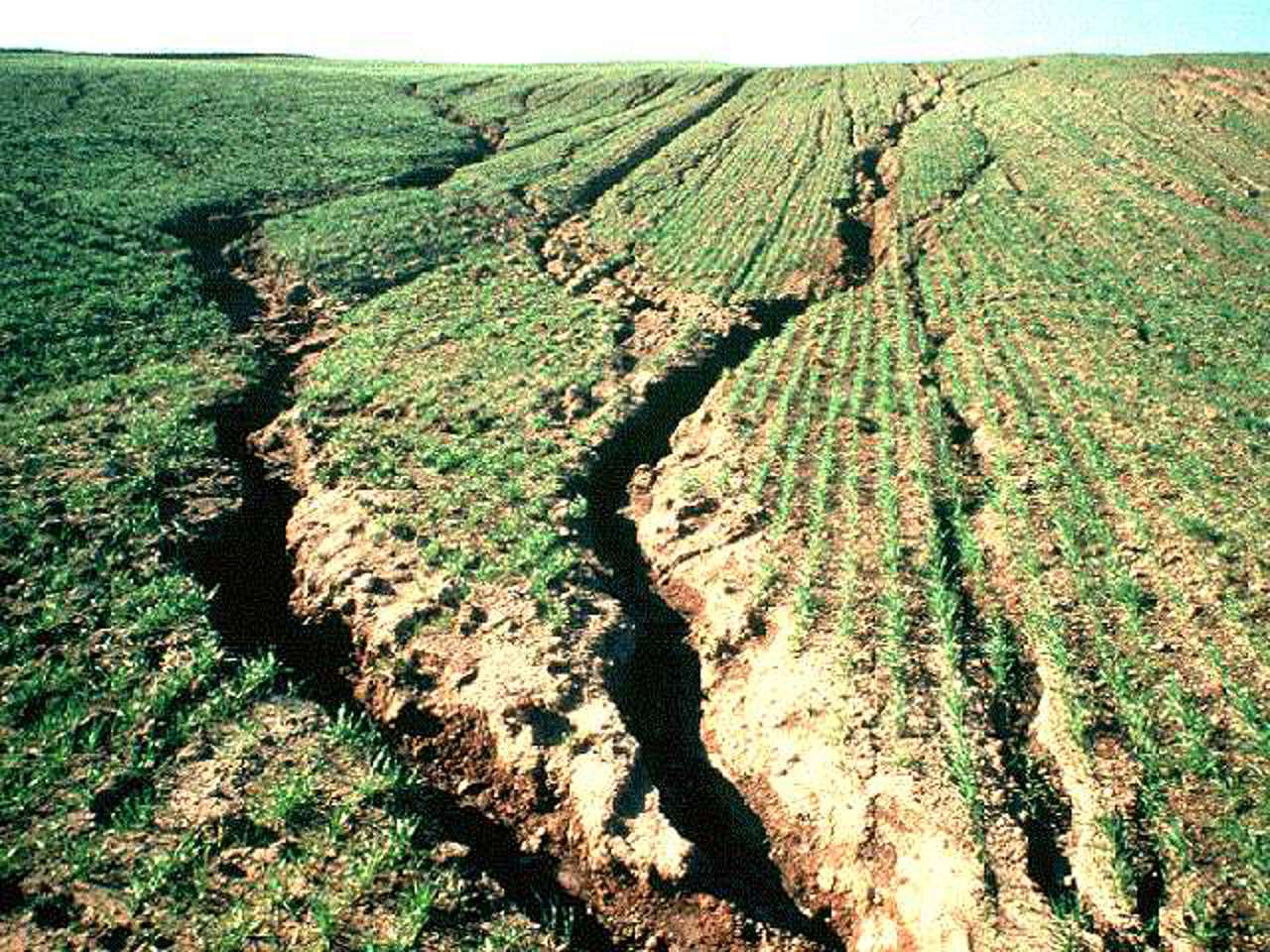
According to the assessment, pressures on the soil are driven by intensive agriculture, water and wind erosion, deforestation, improper land management, and climate change.
Repeated cultivation of corn and sunflowers, inadequate crop rotation, and excessive soil tillage contribute to soil structure deterioration, compaction, and declining organic matter content. At the same time, droughts and torrential rains accelerate degradation and the loss of the fertile topsoil layer.
The direct and indirect economic losses caused annually by soil degradation and drought are estimated at approximately 436 million dollars. Of this amount, over 355 million dollars is attributed to agricultural losses and the loss of fertile topsoil washed away from slopes due to erosion.
To curb this phenomenon, experts recommend that the Government ensure the National Soil Monitoring System operates effectively and develop indicators to assess soil quality. Furthermore, authorities should identify and map lands vulnerable to degradation, particularly those affected by erosion.
The Ministry of Agriculture and Food Industry, in collaboration with the Ministry of Environment, is urged to step up oversight regarding the use of chemical fertilizers and pesticides. At the same time, financial support for farmers should be directed toward practices that protect the soil, ensure sustainable water use, and prevent pollution.
Experts recommend promoting conservation and regenerative agriculture through advisory services, demonstration farms, and financial incentives—including for small-scale farming operations. Another measure concerns the expansion and restoration of protective forest strips, particularly in areas with a high risk of erosion and on degraded land.
Environmental institutions need more specialists and investment
The UN assessment highlights that environmental protection depends, in part, on the capacity of institutions to monitor pollution, conduct inspections, and enforce legislation.
In this context, the document notes the reorganization of environmental institutions carried out in the Republic of Moldova in 2026. The Ministry of Environment's staff increased from 96 to 118, with the creation or strengthening of subdivisions responsible for European integration, environmental statistics, climate change, waste management, biodiversity, and forestry.
The Environmental Agency absorbed the Agency for Geology and Mineral Resources, and its staff count rose from 145 to 160. Simultaneously, environmental monitoring functions and the Environmental Reference Laboratory were transferred to the new Authority for Meteorology and Environmental Monitoring—an entity established through the transformation of the State Hydrometeorological Service.
Another change concerns the Environmental Protection Inspectorate, which established an Operational Center for Immediate Response to Environmental Incidents. This center is tasked with ensuring nationwide intervention capabilities on a 24/7 basis. The Inspectorate also manages the "EcoAlert" electronic platform, through which citizens can report environmental incidents.
The reorganization also extended to the National Office for the Implementation of Environmental Projects. The number of positions increased from eight to 14, while the team responsible for the National Ecological Fund was expanded from three to eight employees. Nevertheless, UN experts recommend continued institutional strengthening, sufficient budgets, and ongoing training for specialists. Closer cooperation is also required among the Environmental Protection Inspectorate, law enforcement agencies, prosecutors, the courts, customs authorities, and laboratories, so that violations of environmental legislation can be investigated and penalized more effectively.
Chișinău needs a modern air quality monitoring system
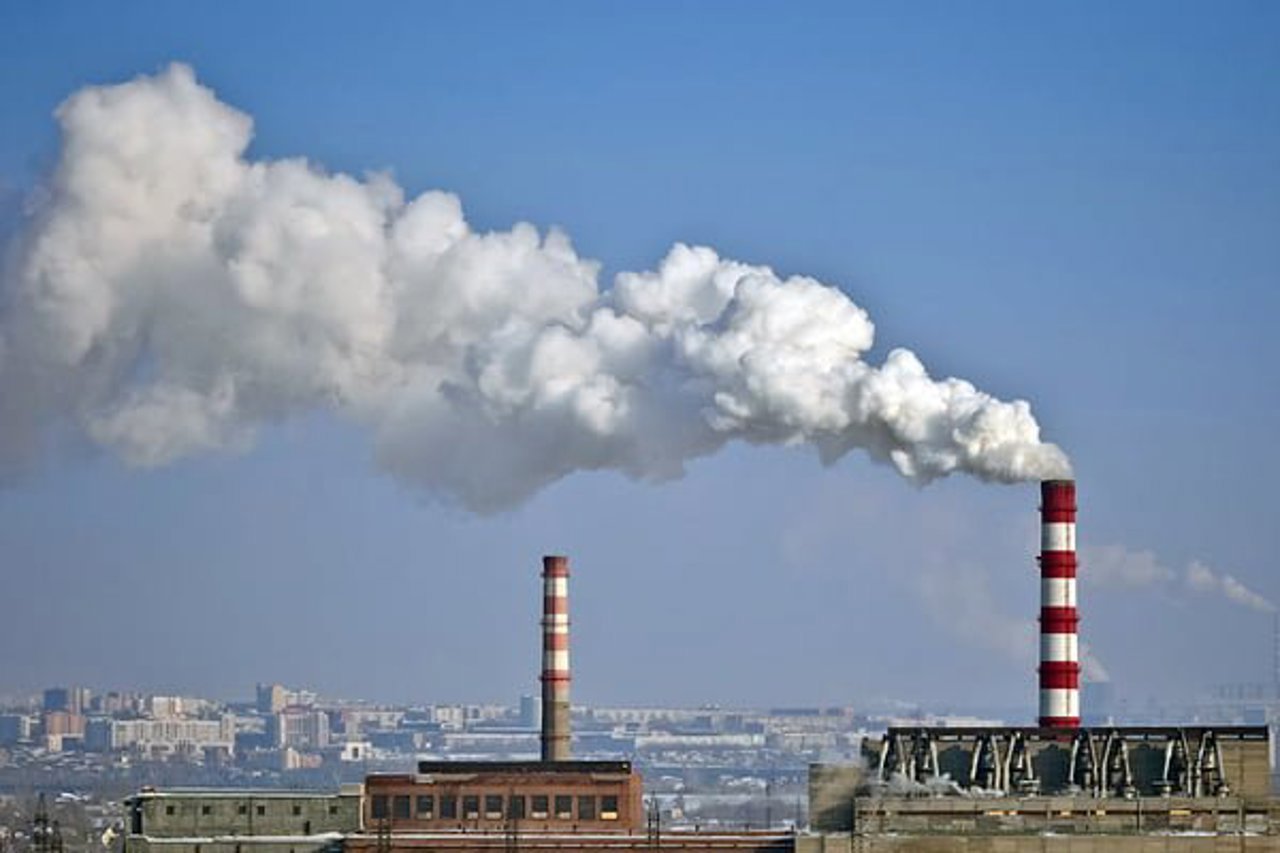
Another important area of assessment is air pollution. Experts recommend adopting a national pollution control program with clear emission-reduction targets, defined institutional responsibilities, and a dedicated budget for implementing the necessary measures.
For Chișinău, the document proposes the development of a local air quality management plan, given that pollutant concentrations in urban areas frequently exceed established limits.
Furthermore, the Republic of Moldova should expand its automated air quality monitoring network, prioritizing the tracking of fine particulate matter—which is considered particularly hazardous to health.
Experts suggest establishing an official online system that provides real-time air quality index data and access to historical records. Additionally, authorities should conduct a study for Chișinău to identify the primary sources of pollution and determine the extent to which road transport, residential heating using solid fuels, and industrial activities contribute to pollutant concentrations.
Access to drinking water and sewage systems must be expanded, especially in villages
In the field of water resource management, experts recommend investing in infrastructure, reducing network losses, and expanding sewage systems, particularly in rural areas.
Water utility operators should develop balances of the resources used, as well as plans for the maintenance and renewal of infrastructure. At the same time, authorities are urged to set targets for reducing water losses and to report results periodically.
The document also recommends creating a public registry of wastewater treatment plants, while ensuring their proper operation and maintenance.
Special attention is given to access to safe drinking water in rural areas. Experts recommend conducting an inventory of water sources and public wells, establishing sanitary protection zones, and developing water safety plans—covering the entire path from the source to the consumer.
In light of climate-related risks, the Government is also urged to develop solutions for water storage and for the more efficient use of resources.
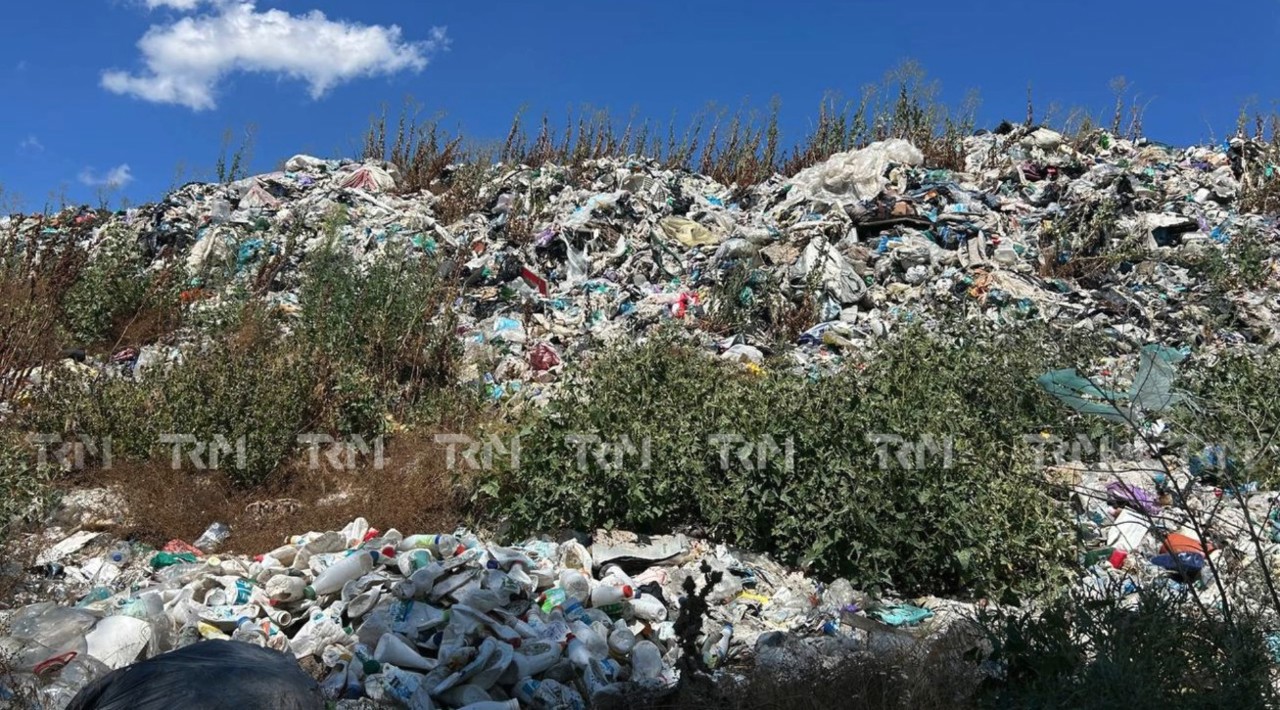
Non-compliant landfills must be closed and repaired
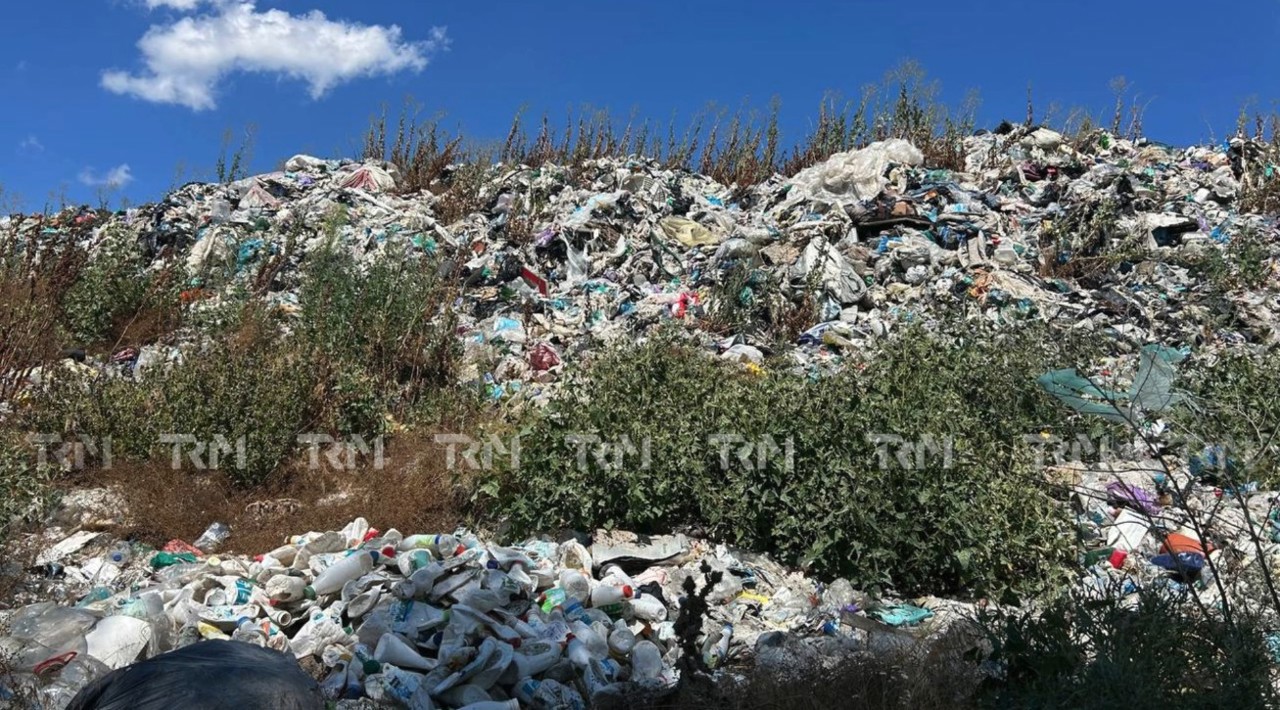
Regarding waste management, the recommendations focus on finalizing and operationalizing integrated regional municipal waste management systems. These should include infrastructure for separate waste collection and treatment.
The Ministry of the Environment should develop a plan with clear timelines to close and rehabilitate landfills and dump sites that do not meet environmental requirements. After closure, authorities should continue monitoring these sites to prevent negative environmental impacts.
Experts also recommend creating a national inventory of landfills, dump sites, and treatment facilities, classified according to the risks they pose.
Another measure concerns the operationalization of the Hazardous Waste Management Center and the establishment of a coherent national system for the collection, treatment, and disposal of medical waste.
Forests and protected areas need more efficient management
In the field of biodiversity, the recommendations focus on developing a national information and monitoring system, conserving rare and threatened species, and restoring natural habitats.
The Republic of Moldova should expand its network of protected natural areas and improve their management. Experts also recommend establishing a public institution to oversee these protected areas, as well as Emerald Network sites and future Natura 2000 sites.
Regarding forests, the document advises completing the first cycle of the National Forest Inventory and periodically publishing the findings. Data on forest cover, forest condition, logging, fires, and regeneration activities should be consolidated into a unified information system.
Furthermore, authorities are urged to continue reforming the "Moldsilva" Agency by separating the functions of policy-making, monitoring, control, and forest management.
Experts also highlight the need to reduce the reliance of rural households on firewood—through support programs for vulnerable families—and to operationalize a digital timber traceability system to combat illegal logging.
The Republic of Moldova must invest in combating climate change
The assessment recommends that the Government adopt a long-term development strategy focused on low greenhouse gas emissions and strengthen the capacity of institutions to integrate climate change adaptation and mitigation measures into sectoral policies.
Experts propose mobilizing greater financial resources from international, national, and private sources, as well as introducing a carbon pricing mechanism. The revenue collected would fund climate action, with safeguards for vulnerable households and those affected by energy poverty.
In the energy sector, authorities are urged to increase the share of renewable energy sources, improve energy efficiency—particularly in residential and public buildings—and attract further investment in renewable energy.
Regarding transport, the recommendations focus on modernising and electrifying public transit, adopting a national electric mobility program, and expanding charging infrastructure for electric vehicles.
Pollution must also be addressed as a public health issue
UN experts highlight the link between environmental degradation and human health. It is recommended that the government develop a national environmental health strategy—incorporating, among other elements, the "One Health" principle, which entails an integrated approach to the health of humans, animals, and ecosystems.
Authorities should assess the health impact of air pollution and identify the population groups most at risk. Research into indoor pollutants—particularly within schools and kindergartens—is also necessary.
Another issue addressed is the population's exposure to lead. Experts recommend studying its health effects, including those from occupational exposure, and developing measures to eliminate lead from paints and prevent exposure among children.
The document further recommends the development of action plans to reduce risks associated with radon and asbestos, as well as the establishment of a registry for diseases caused by asbestos exposure.
Republic of Moldova aims to reduce greenhouse gas emissions by 75% by 2035
A key objective of the Republic of Moldova’s climate policy is to reduce greenhouse gas emissions by 75% by 2035, compared to 1990 levels. Prime Minister Vasile Tofan announced this commitment at the 31st UN Climate Change Conference, held in November 2026 in Antalya, Turkey.
In his address, the head of government highlighted the Republic of Moldova’s vulnerability to climate change and environmental risks that transcend national borders. He specifically cited the pollution of the Nistru river in March 2026—caused by a Russian attack on a hydroelectric power plant in Ukraine that sent petroleum products into the water. The incident disrupted the water supply for communities in the northern part of the country, forcing authorities to organize the delivery of drinking water.
The Prime Minister also discussed the impact of drought on water resources. He noted that, following several months of insufficient precipitation, the water level in the primary upstream reservoir had fallen more than ten meters below normal—creating a risk that water levels might become too low for the pumps to operate.
"For a small country like the Republic of Moldova, the consequences of war, climate change, and environmental degradation do not stop at national borders. Our response, therefore, must not stop there either," Vasile Tofan stated on November 11. Regarding the energy transition, the Prime Minister noted that the share of renewable sources in electricity production has grown from approximately 3% six years ago to nearly 30% by 2026. At the same time, the authorities are focused on developing electricity transmission infrastructure and expanding connections with the European market.
Another objective is afforestation. Through the National Afforestation Program, the Republic of Moldova aims to plant and rehabilitate approximately 145,000 hectares of forest by 2032.
Vasile Tofan also called for easier access to international climate finance, arguing that vulnerable nations—which contribute little to global emissions—are already bearing significant economic and social consequences. The Prime Minister urged that climate finance be made more accessible, predictable, and targeted toward the communities most in need of support.
In this context, the head of the government maintained that responsibility for combating climate change must be shared, and that nations with the highest historical emissions should contribute more to funding adaptation measures and pollution-reduction efforts.
These commitments are part of the Republic of Moldova’s broader efforts to adapt to climate change, reduce emissions, and enhance energy and environmental resilience.
Climate commitments as part of EU accession negotiations
Reducing emissions, protecting natural resources, and modernizing environmental infrastructure are key components of the Republic of Moldova’s accession process to the European Union. This area falls under Cluster IV – "Green Agenda and Sustainable Connectivity," which includes Chapter 27 – "Environment and Climate Change."
On November 27, 2026, the Republic of Moldova was officially invited by the Irish Presidency of the Council of the EU to present its negotiating positions for Cluster IV and Cluster V – "Natural Resources, Agriculture, and Cohesion." This step paves the way for the formal opening of the nine chapters covered by these two clusters at the next Intergovernmental Conference.
According to the European Commission’s 2026 enlargement report, the Republic of Moldova has made progress in aligning its environmental legislation with European standards; however, further efforts are required in waste management, the protection of water resources, and biodiversity conservation. Additionally, it is necessary to develop a system for monitoring, reporting, and verifying greenhouse gas emissions—a prerequisite for introducing a carbon pricing mechanism and aligning with the European Union Emissions Trading System (EU ETS).