Efficient waste sorting system in Borogani village
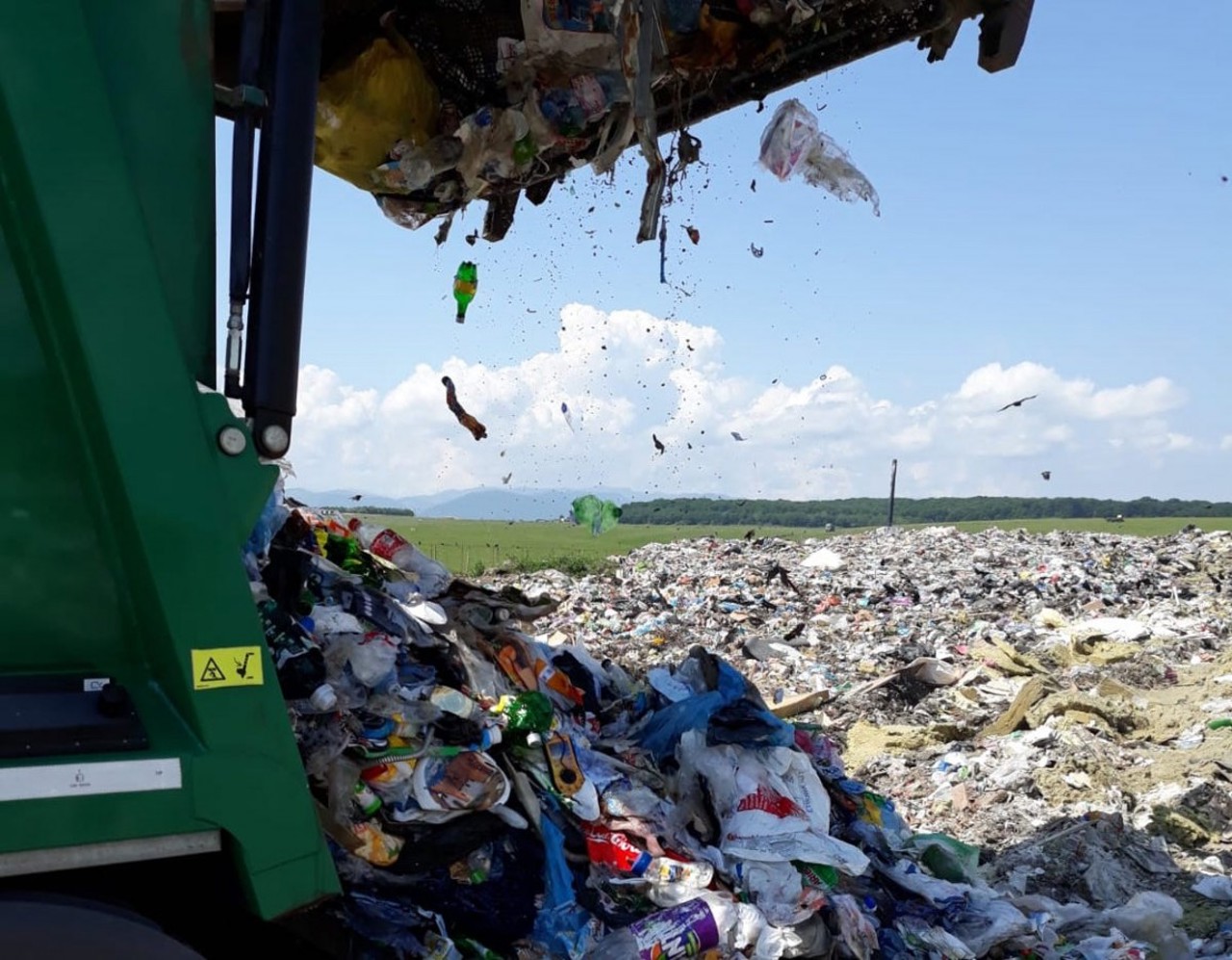
Sanitation infrastructure is increasingly developing in the villages of the Republic of Moldova. One example is the village of Borogani in the Leova district, which, just two years ago, was plagued by unauthorized dumps. Now, it benefits from a functional separate waste collection service. Households in the village received two bins: one black for household waste and another yellow for recyclables. Authorities explain that achieving this result has been a long journey, largely due to a lack of environmental education.
The village of Borogani, located in the Leova district, has just over four thousand inhabitants, making it the largest rural settlement in the district. Previously, five unauthorized dumps were identified within the village and two others outside of it. These were cleared away with the support of Swedish aid as part of a UNDP-led project. Additionally, the project facilitated the development of a communal solid waste management service.
Maria Talai, a resident of Borogani, shares her experience with the new waste management system. “This is what I put in the yellow bin because it’s for plastic. This is where I put the household waste,” she explains. For more than two years, Maria has been sorting her household waste, and she has noticed a significant improvement in the cleanliness of the village. “It’s very convenient because we can close the bin, so nothing gets in—no cats or dogs to scatter it. The transport comes right to my gate to pick it up. I just place it outside, and it’s picked up without any problems,” says Maria.
Sofia Butnarciuc is a member of the initiative group that educated residents about the importance of sorting waste. “We went around the village with questionnaires, talking to people. For example, in our area, all the neighbours have dumpsters now, and it is much cleaner. Previously, garbage was thrown everywhere. We used to put it in bags, but now we take it and put it directly in the dumpster. It costs 50 lei per month. During the summer, I empty the yellow dumpsters every month, and the black ones twice a month,” Sofia explains.
As part of the project, specialized equipment for compressing plastic was purchased. Local authorities acknowledge that beyond the challenge of limited financial resources for the waste collection service, the most difficult task was changing people’s habits regarding garbage disposal. “This service requires people to adopt new habits, to become more responsible, and to shift their mentality and perspective. We knew we had a lot of work to do with the population,” says Elena Savițchi, the mayor of Borogani.
The separate waste collection system has been in operation in Borogani since 2022. More than 30 other communities in the Republic of Moldova received grants of up to $16,000 to implement initiatives aimed at enhancing community resilience to climate change, reducing disaster risks, and promoting sustainable local development.