Moldova famine 1946-47: A deliberate Soviet act
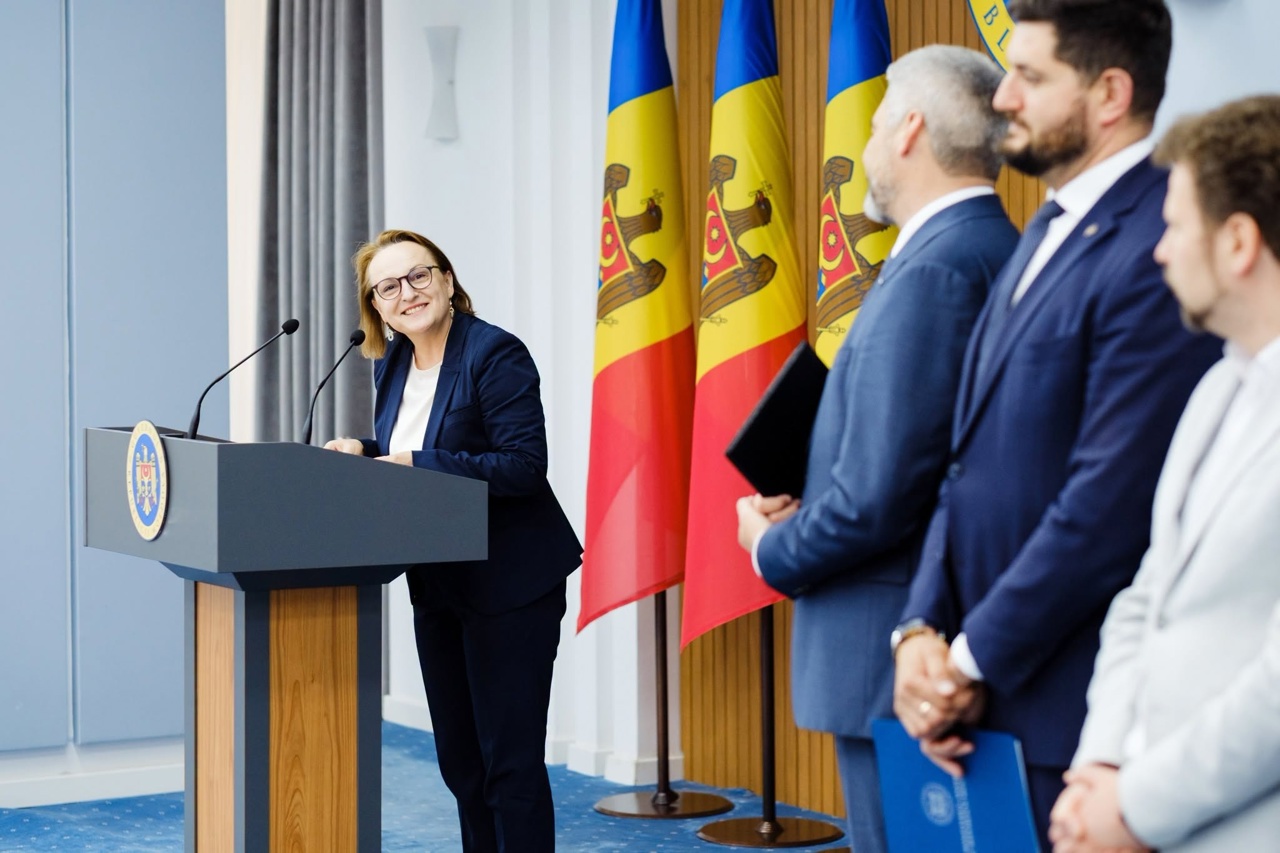
President Maia Sandu asserts that the famine orchestrated by the Soviet regime in 1946–1947 was a deliberate act, a barbaric method intended to subjugate the population.
She also noted that for decades, this tragedy was suppressed, but collective memory cannot be erased, and the truth must be told.
"We cannot build a just future without acknowledging the injustices of the past and keeping alive the memory of the hundreds of thousands who perished in this crime. Hunger did not discriminate based on language or ethnicity among its victims. Therefore, our duty as a united society is to defend the truth, stand on the side of good, and build our future with dignity, in peace, in a Moldova where such horrors are never again possible," President Maia Sandu added.
According to Prime Minister Dorin Recean, the totalitarian-communist regime responsible for the 1946-1947 famine did not select its victims based on language or ethnicity. "Everyone suffered greatly during that period, especially those in rural areas," he stated, "and that shared pain should bring us together, not divide us. It is important to remember the past and learn to live in a united and free Moldova, building a future based on the lessons of the past where human dignity, respect for life, and freedom are foundational values."
In turn, the Speaker of Parliament, Igor Grosu, stated that the famine of those years was a deliberate policy of forced Sovietization of the population implemented by the Kremlin.
"In the name of those who endured that horrible suffering, we have a moral duty not to forget this dark chapter of our past. We must speak out about the horrors and suffering our families endured and ensure no regime can ever again commit crimes against the people. These painful life lessons must unite us, make us stronger, and inspire us to work towards a peaceful and European Moldova," reads Igor Grosu's message.
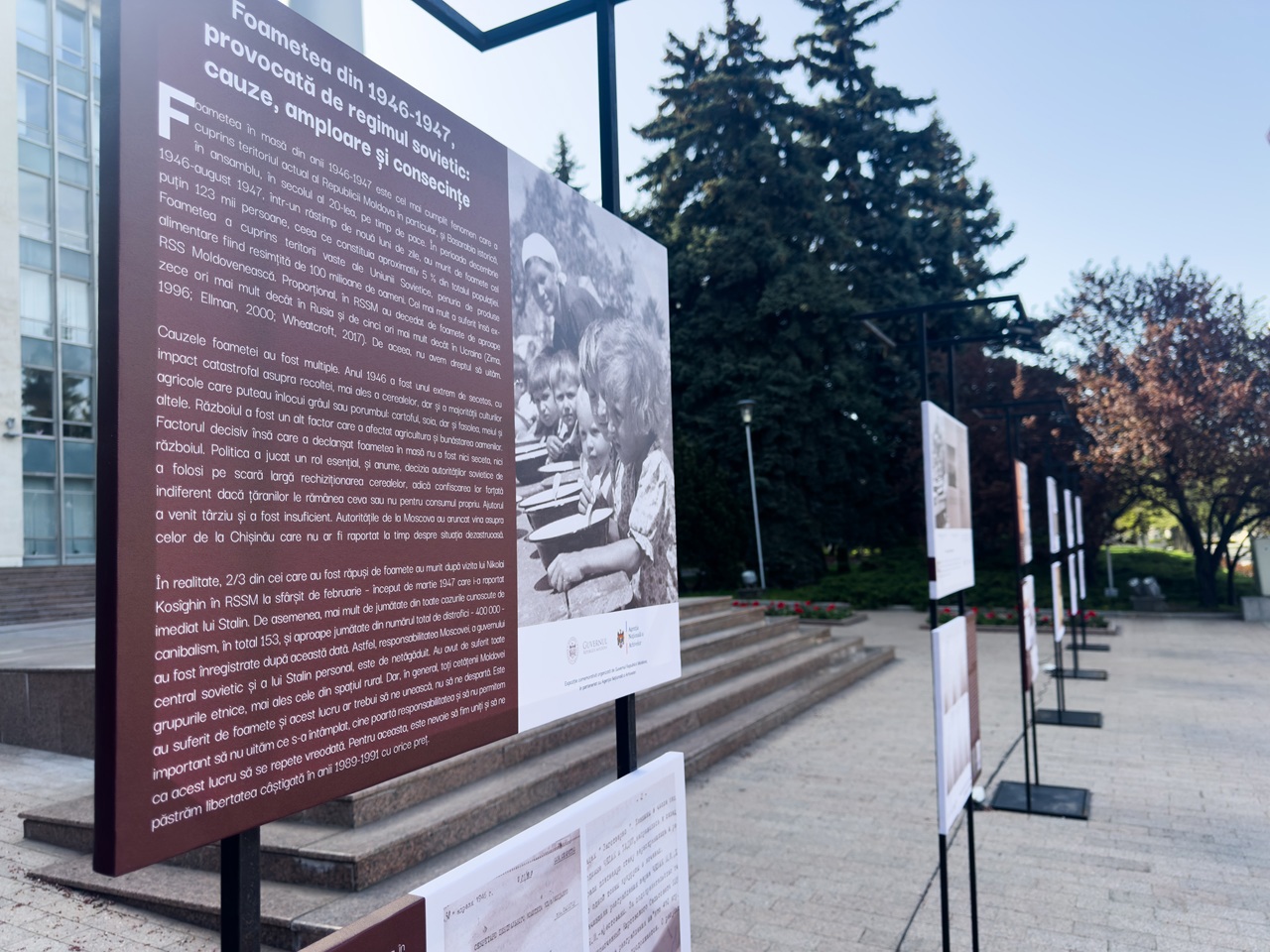
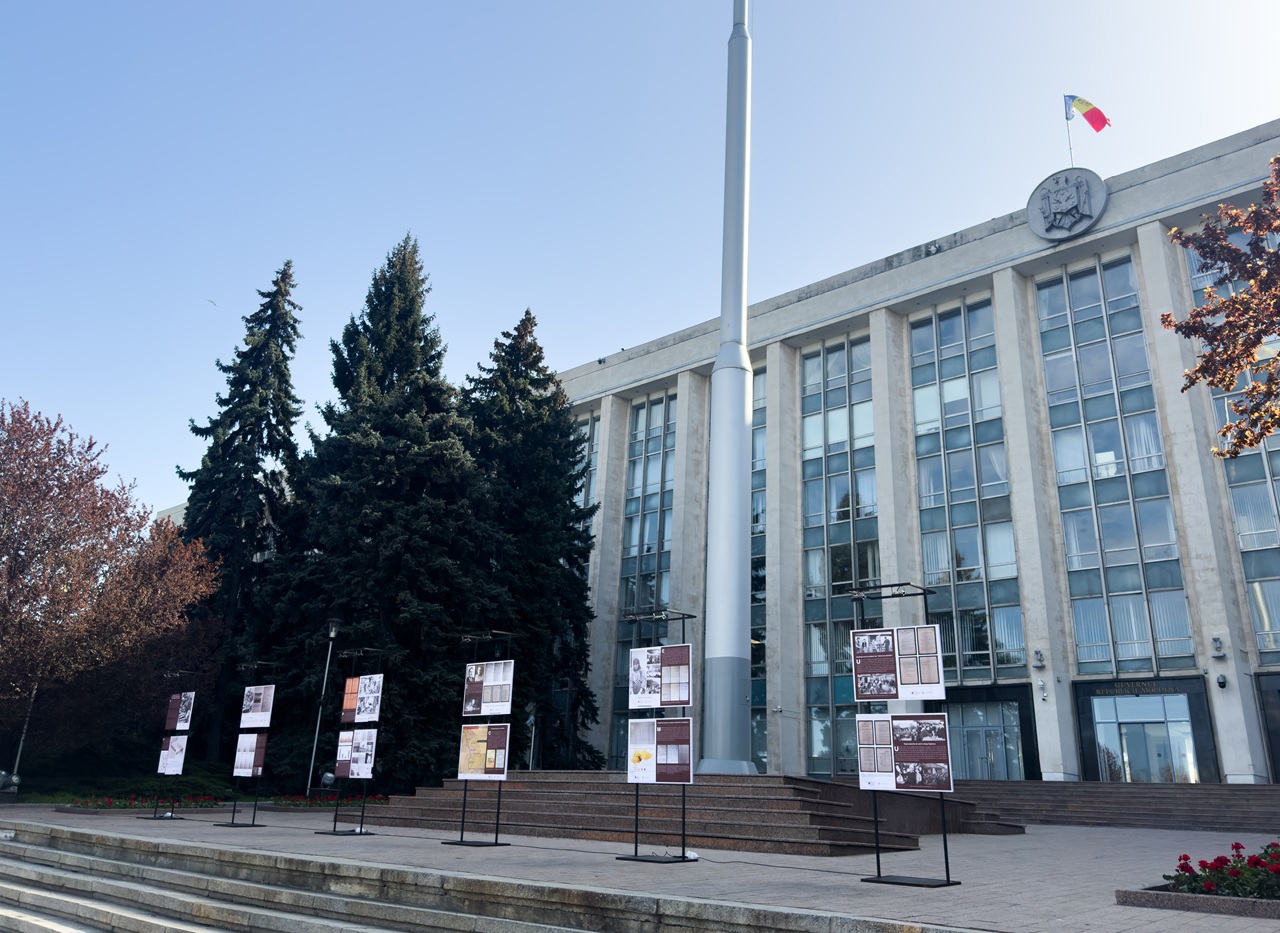
An exhibition illustrating the causes, scale, and consequences of the famine caused by the Soviet regime is on display in front of the Government building, in the Great National Assembly Square in the capital.
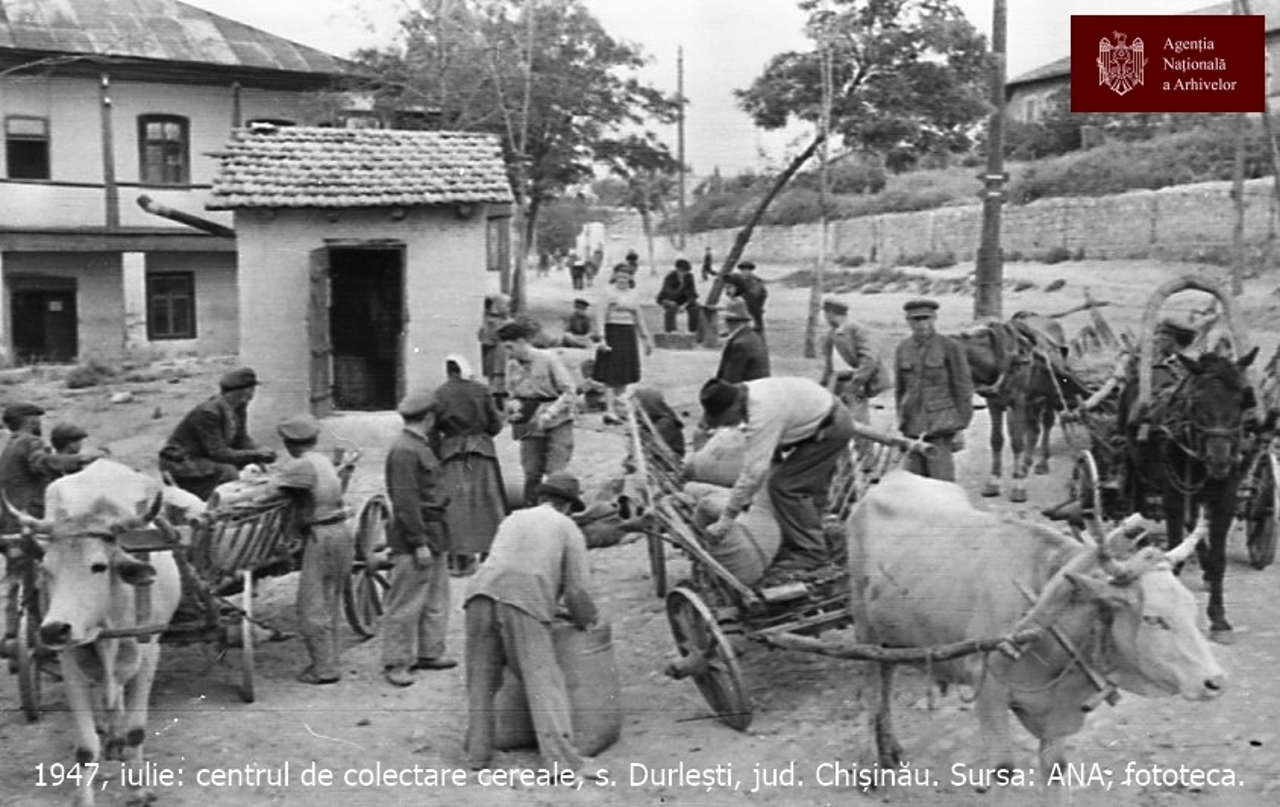
The famine of 1946–1947 stands as one of the greatest humanitarian catastrophes to strike the territory of present-day Republic of Moldova in the 20th century. It was not an inevitable natural disaster but a tragedy exacerbated by the authoritarian and repressive policies of the Soviet regime. According to data provided by the National Archives Agency, over 123,000 people died of starvation in just a few months, representing approximately 5% of the Moldavian SSR population. Proportionally, Soviet Moldova was the most affected region in the entire Soviet Union, experiencing a mortality rate ten times higher than in Russia and five times higher than in Ukraine.
Translation by Iurie Tataru