Vice-President Kaja Kallas: The Republic of Moldova can join the EU even if the Transnistrian conflict remains unresolved
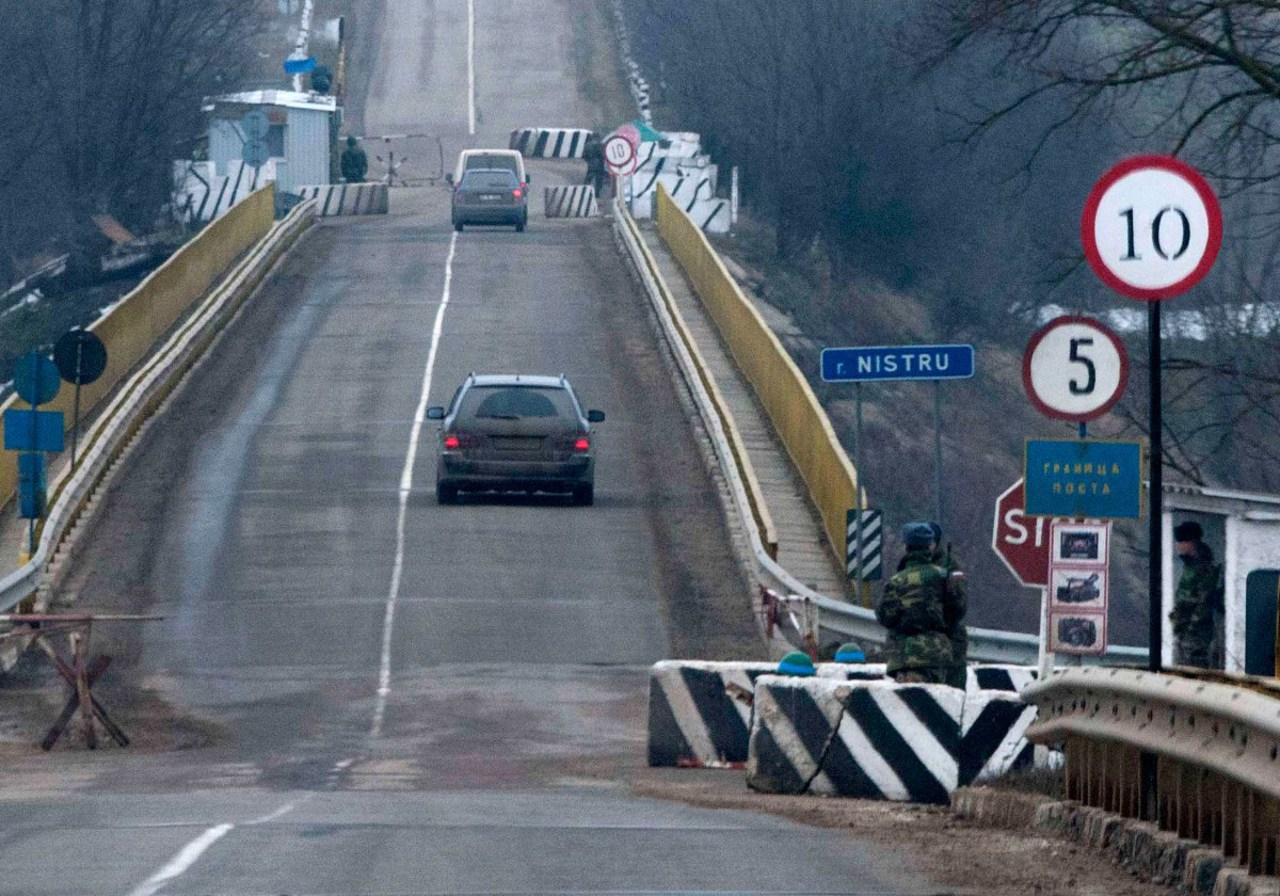
The Republic of Moldova can join the European Union even without a prior resolution of the Transnistrian conflict. This statement was made by European Commission Vice President Kaja Kallas in an exclusive interview with Radio Moldova. According to the head of European diplomacy, the reintegration process and EU accession are separate matters, and progress on the European path depends primarily on the pace and quality of reforms implemented by the authorities.
The official recalled the assistance provided by EU member states to citizens on both sides of the Nistru when the Transnistrian region was left without gas after Gazprom cut off supplies. She also cited the precedent of other countries that joined the EU despite having similar territorial issues, provided they fully implemented the necessary reforms. These statements were made exclusively for Radio Moldova by Kaja Kallas, in the show "Dimineata cu Radio Moldova."
"Of course, EU integration is a major process, and we know very well what it entails. If we speak in concrete terms, you know that in January, there was an energy crisis, and the European Union played a significant role in addressing it. We provided support specifically to help manage that crisis. It's important that conflicts like these do not interfere with the EU accession process and that the accession process is not hindered by conflict. These two processes are, ultimately, separate. In the end, it largely depends on the reforms that will be implemented, and reintegration, of course, is in the interest of the citizens of the Republic of Moldova. We hope that tensions of this kind can be avoided."
Last week, President Maia Sandu emphasized that despite the energy crisis triggered by Russia this winter, which affected all residents of the Republic of Moldova, the authorities managed to maintain peace and stability in the Transnistrian region. Together with external partners, they also found solutions to overcome the crisis. Previously, constitutional authorities repeatedly stated their support for a peaceful resolution to the conflict, and that the Transnistrian region would not hinder the country’s European path.
The regional energy crisis began on January 1, 2025, when Gazprom completely halted gas deliveries to the Republic of Moldova, significantly impacting the left bank of the Nistru, where the separatist administration had previously received free gas from Russia.
We remind you that at the beginning of the year, the European Union approved a €250 million energy support package for the Republic of Moldova. Of this, €30 million was already allocated for purchasing electricity and delivering gas to the region, €100 million was granted by mid-April to help cover utility bills for consumers on the right bank of the Nistru, and €60 million was designated to support citizens in the Transnistrian region—conditional on respecting fundamental rights and adjusting energy tariffs. Tiraspol rejected this aid, and since February 14, energy deliveries have been handled by the European trader MET. Funding is backed by a Dubai-based company, although the so-called Tiraspol administration refers to it as a Russian loan.