Experts warn: Tiraspol cadet school serves as a tool for Russian propaganda and military recruitment
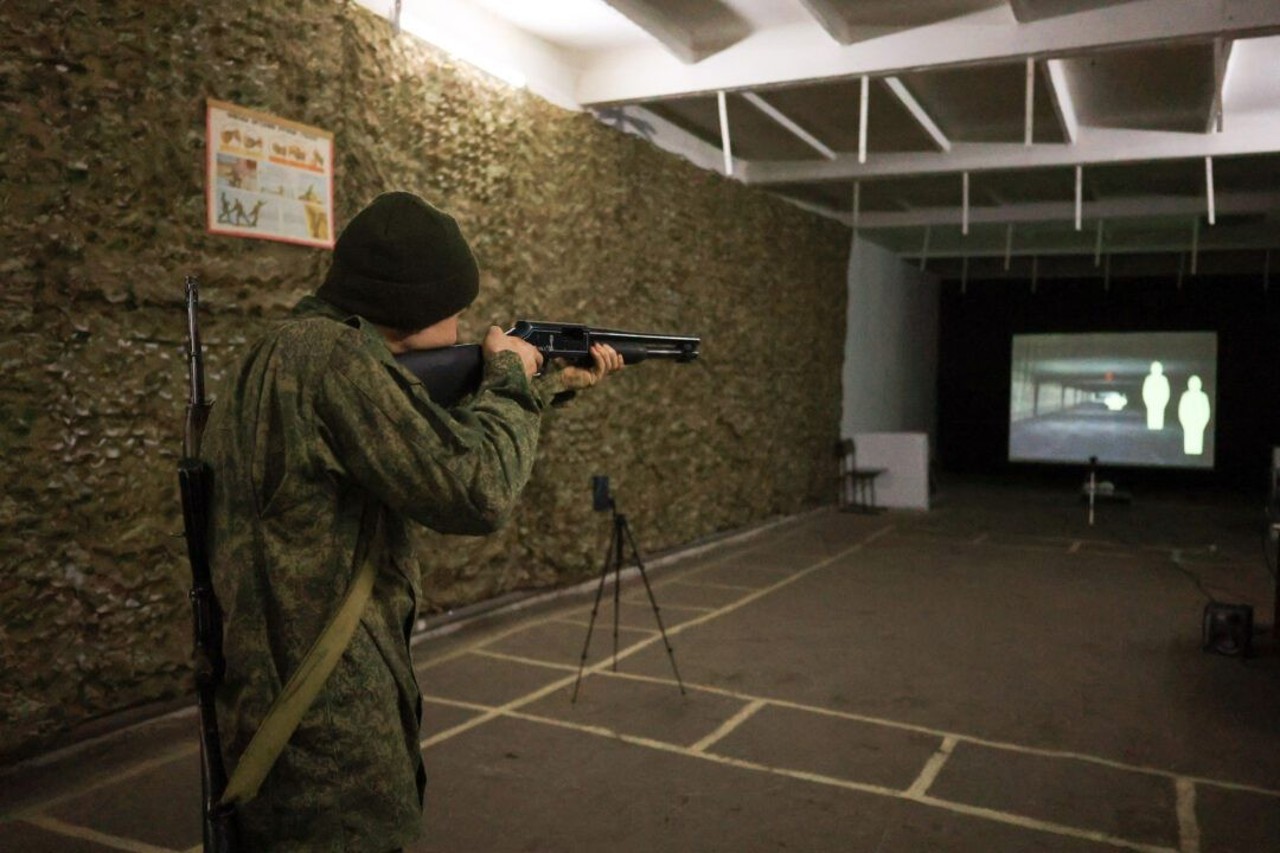
Experts view the military-patriotic education at the "Suvorov" school in Tiraspol as aggressive propaganda that impacts children's development and normalizes a culture of aggression. This approach aims to cultivate a generation that is loyal to the Kremlin and prepared to support occupation regimes. Experts caution that Russia is strengthening its influence on the left bank of the Nistru through espionage activities and military recruitment campaigns, which contradict international norms and national legislation. These findings were discussed in the show "IN CONTEXT" on Moldova 1.
Analyst Mihaela Șerpi stated for Moldova 1 that the establishment of a school in Tiraspol just three years after the annexation of Crimea is not coincidental. The geopolitical context has facilitated the expansion of such initiatives, which serve a strategic purpose: to cultivate a generation prepared to support occupying regimes.
"One of the serious consequences of this situation is the development of what is referred to as military-patriotic education, which normalizes war. Children grow up with the belief that war is a natural part of life. Instead, they should be raised with the understanding that any conflict can and must be resolved peacefully. Education should be grounded in human rights and democratic principles. However, in the Transnistrian region, including its general schools, we observe an education system more focused on a culture of violence and aggression," she warned.
Additionally, the expert recommended that authorities monitor the educational process in the breakaway region and inform parents about the risks associated with sending their children to such schools.
"Constitutional authorities must monitor and document the phenomenon of the militarization of education. They should also report on the situation of orphaned children in the Transnistrian region, as there are no legal mechanisms to document these children by constitutional authorities. We must inform the citizens of the Republic of Moldova about the risks and consequences of enrolling their children in military schools in the Transnistrian region," explained Șerpi.
In this context, expert in the Black Sea region Mihai Isac noted that the authorities in Chișinău cannot exert control over the situation. He pointed out that there is evidence of Moldovan citizens being directly involved in Russian military aggression in Ukraine and against the Republic of Moldova.
"The Transnistrian region serves as a secure base for activities related to the intelligence services of the Russian Federation. It provides a stable platform for human, technical, and other resources, enabling them to conduct a propaganda and espionage war against the Republic of Moldova and its partner states," Isac concluded.
The Suvorov Military School, established in 2017 by separatist leader Vadim Krasnoselski with the support of the Russian Federation, has a capacity of 300 students. It serves students from the left bank of the Dniester and the Gagauz region, starting at the age of 11. These students live under a barracks regime, wear military uniforms, and participate in shooting exercises and tactical camps. The textbooks used at the school closely resemble those used in Russia, with a strong emphasis on glorifying Soviet heritage. By 2024, the school had graduated 137 students. Most graduates go on to enroll in the military institute of the Ministry of Defense, the law institute of the Ministry of Internal Affairs, or other institutions with a Russian military focus.
According to the Promo-LEX Association, political indoctrination and the militarization of education are increasingly emphasized for students at the Suvorov School. This is evident in both the breakaway region of the Republic of Moldova and the Russian-controlled areas of Ukraine, where the cadet movement serves as an ideological tool designed to foster loyalty to the Russian Federation. Promo-LEX has warned that such practices can create psychological trauma and contribute to the radicalization of young people.
The Reintegration Policy Office has condemned the militarization of education in the Transnistrian region, describing it as an “alarming trend” reflective of severe information censorship and significant violations of children's fundamental rights.
The Office of the Ombudsman for Children's Rights did not respond to this request.