More youth drawn to tobacco; state tightens regulations
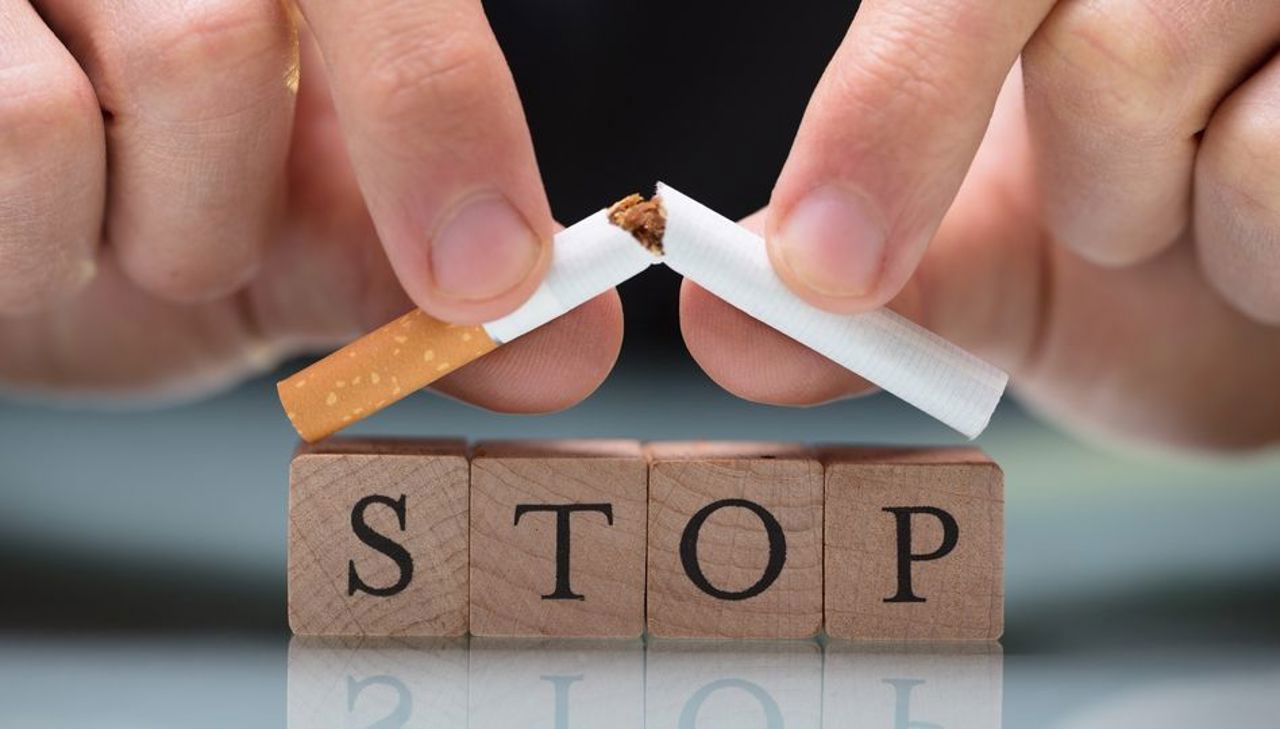
In the Republic of Moldova, three out of ten adults currently use various tobacco products, and this figure has been rising in recent years, according to the latest national study on the prevalence of risk factors for non-communicable diseases. Alarmingly, an increasing number of young people are becoming trapped in this addiction. The Ministry of Health reports that approximately one in three adolescents have tried electronic cigarettes, and 23.1% of them use nicotine-based products. In response to this issue, Parliament has strengthened anti-smoking legislation to protect public health and align with European Union standards.
This week, the Legislative adopted a series of strict measures aimed at reducing tobacco smoke exposure and protecting public health, especially for young people. The new regulations strengthen the existing legal framework and align national provisions with European Union standards. Significant changes include expanding the areas where smoking is prohibited, such as in recreational areas and public institutions.
"This initiative is essential for the health of our citizens and the protection of future generations," said Ion Șalaru, head of the Directorate for Surveillance and Prevention of Non-Communicable Diseases at the National Public Health Agency. The new provisions aim to reduce tobacco consumption and limit the industry's harmful influence on health policies, Șalaru added.
"Smoking is prohibited on balconies, but it is not forbidden in apartments, as long as it is considered private property. We rely on common sense. Together with the IGP, we will regulate these aspects to ensure the law is effectively implemented."
Public health specialists view the recently adopted measures to prevent and combat smoking as welcome and necessary. Dr. Serghei Cebanu, a Doctor of Medical Sciences, emphasized that tightening the law justifies aligning with European standards and addressing the urgent need to protect public health. A concerning trend is the increasing number of smokers, particularly among young people.
"There is no internal organ that is unaffected by smoking. This is a crucial point when informing individuals that tobacco products impact both the cardiovascular and pulmonary systems. One in six people develops lung cancer, and a recent study found that women who smoke during the first trimester of pregnancy increase the risk of autism in their children by 40%."
Ghenadie Țurcanu, the program director at the Centre for Health Policy Analysis, noted that the new regulations do not apply inside apartments, except for balconies, where the bans will take effect in 2026. He assured that the responsible authorities are prepared to enforce the law, and civil society will aid through information campaigns.
"The authorities are ready for the implementation of these bans, including the Customs service and those tasked with combating illicit trade. Civil society will also contribute by developing information campaigns for the public."
Today marks World No Tobacco Day. According to the World Health Organization, there are over 1.3 billion smokers worldwide, and approximately 8 million people die each year as a result of tobacco use. In response to declining sales of traditional cigarettes, companies are actively promoting alternatives such as electronic cigarettes, heated tobacco, and nicotine pouches, often targeting teenagers. It is estimated that 38 million children aged 13 to 15 globally consume products containing tobacco and nicotine.
In the Republic of Moldova, over 6,000 people die annually due to tobacco use or exposure.