State restrictions on wheat, corn, and sunflower imports extended through year-end
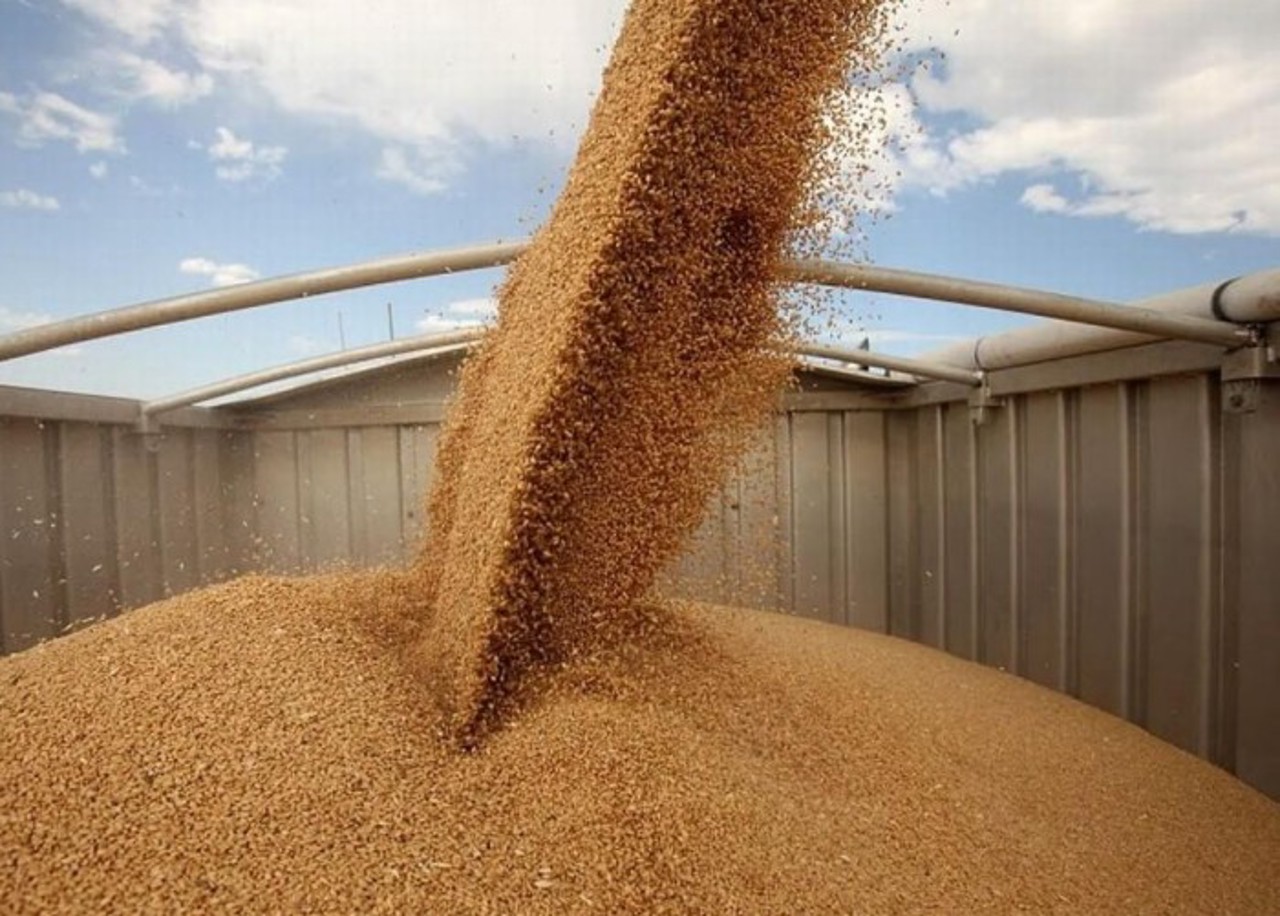
The licensing regulations for importing wheat, corn, and sunflower were extended until December 31, 2025. This decision was made by the government on June 24 to protect local farmers in a regional market characterized by production surpluses and low prices.
“The measure represents a continuation of the previously implemented regime and aims to maintain the stability of the domestic agricultural market in light of the challenges facing the agri-food sector,” declared Ludmila Catlabuga, the Minister of Agriculture and Food Industry.
This decision follows farmers' request to the Government at the beginning of last week to extend the licensing mechanism for importing cereals and include rapeseed among the products subject to this mechanism.
The six-month term previously approved by the authorities is set to expire at the end of June.
Farmers argue that allowing the unrestricted import of cereals and oilseeds into the Republic of Moldova would negatively impact thousands of farmers this year.
At the same time, the Ministry of Agriculture and Food Industry noted that as of early June 2025, wheat, corn, and sunflower crops were in “good condition,” and their development was “consistent with this period.”
“The growth of wheat indicates a high production potential, and both corn and sunflower have made a promising start,” added representatives from the ministry.
We remind you that the licensing mechanism for the import of wheat, corn, and sunflower was first introduced in October 2023 and was extended several times. Importing cereals and oilseeds into the Republic of Moldova is allowed only under a license issued by the Ministry of Agriculture and Food Industry. This licensing system has helped prevent a surplus of imports, particularly from Ukraine at significantly lower prices, which could have otherwise lowered the market value of local products.