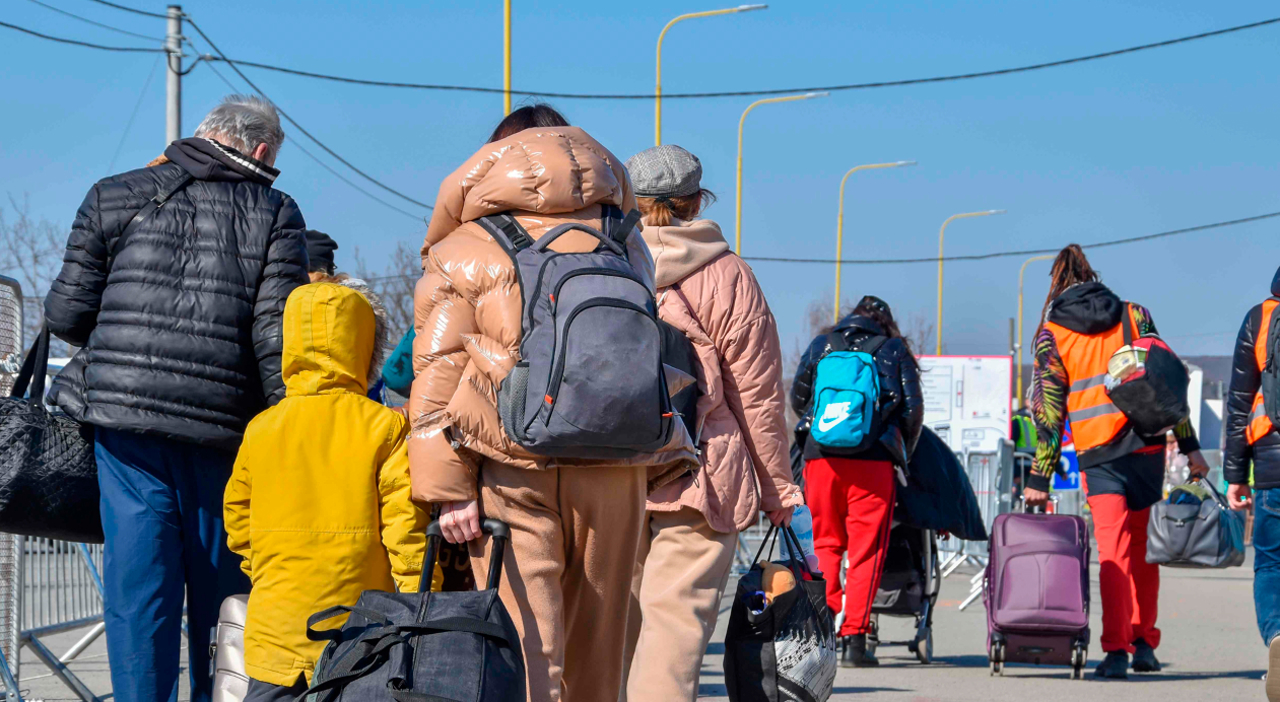
Detention of Moldovans in Moscow is a new episode in the Kremlin’s information war against the Republic of Moldova, experts
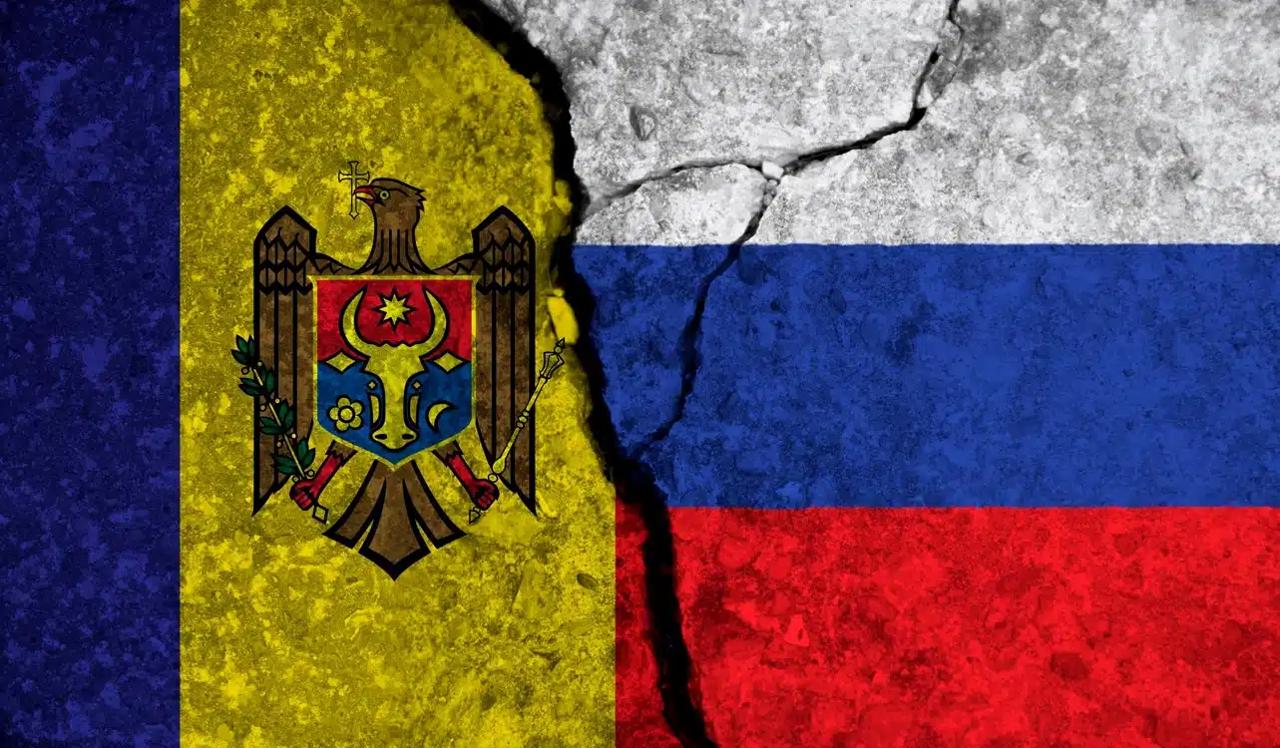
Relations between the Republic of Moldova and the Russian Federation are becoming increasingly strained. Today, the Ministry of Foreign Affairs (MAE) issued a new travel alert for the Russian Federation following multiple incidents of harassment against Moldovan citizens. The latest reported case involves the Russian special services detaining two Moldovan citizens, who they claim are undercover agents of the Intelligence and Security Service. Chisinau described these allegations as "unfounded and speculative." Experts believe that the detention of these two citizens is part of a broader information war that the Kremlin is waging against Moldova.
The Embassy of the Republic of Moldova in Moscow requested access to several detained Moldovan citizens; however, the Russian authorities refused to cooperate. According to the institution's spokesperson, Tatiana Barac, the Ministry of Foreign Affairs (MFA) is currently reviewing multiple cases.
“The Embassy of the Republic of Moldova in Moscow requested consular access to several detained Moldovan citizens, but the Russian side denied this request. We are taking all necessary diplomatic steps to provide the needed consular assistance to our citizens,” stated Tatiana Barac.
This alert issued by the Moldovan authorities is warranted and reflects the extremely tense relationship between Chișinău and Moscow, commented political expert Ion Tăbârță on the "Zi de zi" program on Radio Moldova. He noted that certain public officials from the Republic of Moldova no longer receive security guarantees while in the Russian Federation. He recalled instances where foreigners were detained unjustly, their cases fabricated, and their fundamental rights violated.
Ion Tăbârță further explained that Moscow's actions aim to influence the parliamentary elections by supporting favorable political actors, spreading disinformation, and exerting economic pressure. To counter these hybrid threats, he emphasised the need to strengthen state institutions and improve communication with citizens.
“We are aware that the Moldovan authorities have recently denied entry to several Russian citizens, including some with official or sports status. In this context, it is possible that the Russian Federation will begin detaining Moldovan citizens to gain leverage and pressure on the authorities in Chișinău, compelling them to be more flexible regarding the entry of Russian citizens into the Republic of Moldova. The challenge with hybrid threats is that they are often detected too late and may not be conventional. The response should begin with strengthening state institutions so they can react promptly and effectively. It is also crucial to ensure that the law is upheld against any attempts at foreign interference,” stated Ion Tăbârță.
WatchDog expert Andrei Curăraru highlights the coordinated nature of false narratives directed against the Republic of Moldova. He finds the video recording of two Moldovans "confessing everything" to be suspicious, especially since it was made without the presence of a lawyer or consular access.
"The FSB claims that the Republic of Moldova sent spies to Russia. On the same day, Shor announces that the government is preparing for war. Coincidence? I don't think so. On June 25, three narratives emerged simultaneously: the FSB accused Moldova of espionage, Shor talked about general mobilization, and the Russian press criticized the reforms in the army. This is a classic strategy of synchronizing messages to create panic and distrust in the government. Ironically, Russia also has soldiers in Transnistrian region and pays their voters with Russian money. Yet when we defend ourselves, we are labeled as aggressive," states Curăraru.
Mihai Avasiloaie, the editor-in-chief of the StopFals.md platform, warns that Moscow's large-scale disinformation campaign aims to destabilize the Republic of Moldova. He emphasizes that information transmitted through official Kremlin channels should be treated with caution. Fake news extends beyond the online environment and includes direct actions by political actors, manifesting in protests orchestrated by Moscow. Avasiloaie stresses that the best response to such information attacks is to seek reliable sources.
“Most likely, this is another episode in the hybrid war that Russia has been waging against the Republic of Moldova for several years. We are all aware of the legal and less-than-legal activities of certain Russian diplomats in Moldova. Our authorities have repeatedly informed the public about such cases, and some Russian diplomats have been declared persona non grata and expelled. In this context, Russia’s claim that they have identified Moldovan agents acting undercover in Russia appears to be a counter-narrative aimed at responding to Chisinau’s accusations. It’s a classic tactic of manipulation and inversion of responsibility,” states Avasiloaie.
On the morning of June 25, the Russian press reported the detention of two Moldovan citizens in Moscow, accusing them of acting as undercover agents for the Intelligence and Security Service of the Republic of Moldova. In response, the Ministry of Foreign Affairs in Chisinau announced that it was carefully examining several such cases and rejected the accusations that the Moldovans were engaging in "activities directed against the national security of Russia."