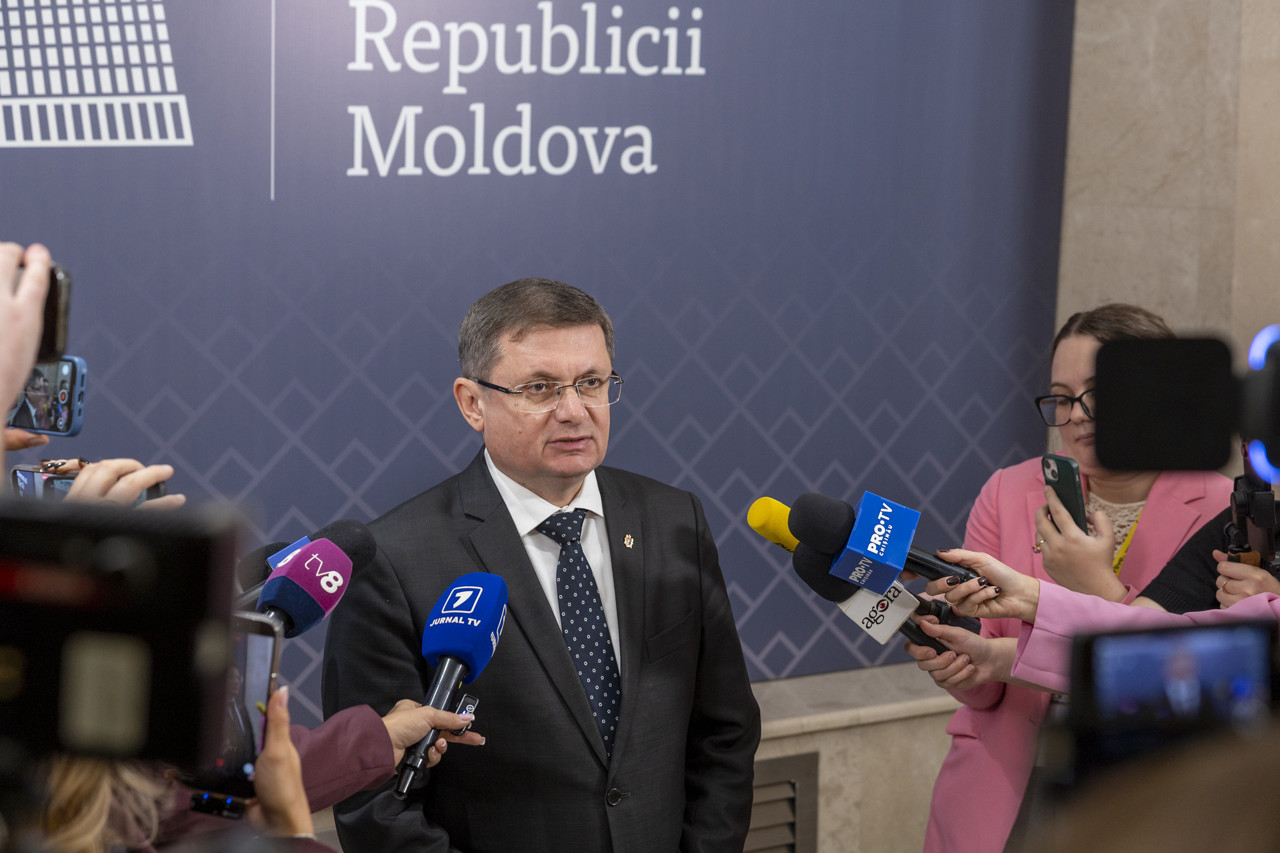
Igor Grosu at the National Congress of Memory: "Ignorance of history risks repeating it"
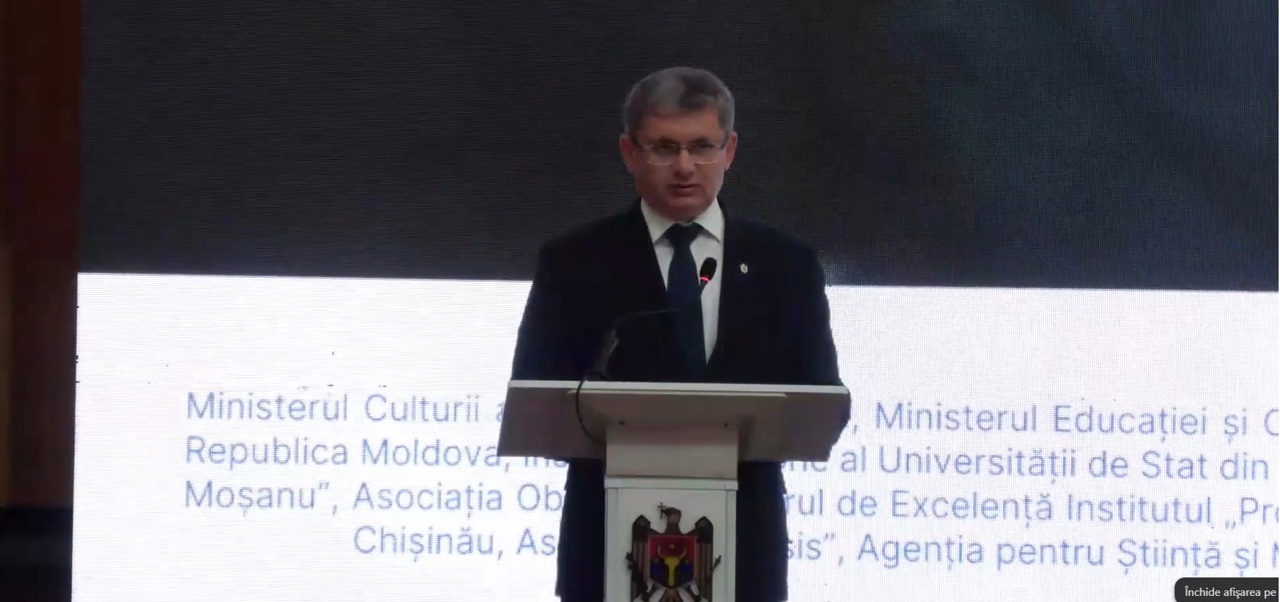
Witnesses and survivors of Soviet repressions must speak openly about the tragedies they experienced. The authorities will support the creation of museums, the installation of commemorative plaques in all localities nationwide, and the ongoing declassification of archives. This statement was made today by the Parliament Speaker, Igor Grosu, at the first National Congress of Memory, which was organized in Chisinau, 85 years after the Soviet Union occupied Bassarabia and northern Bukovina.
The official warned that “those who do not know their history risk repeating it,” and what is currently happening in Ukraine serves as a clear example of this danger.
"In history, we encounter not only positive and enjoyable moments; there are also many tragedies. Today marks a sorrowful anniversary—85 years since the abduction of Bassarabia. All our teachers instructed us, as historians, to focus on studying historical events rather than asking ourselves what might have been. If the abduction of Bassarabia had not occurred, there likely would not have been deportations or organized, premeditated famines meant to destroy everything that was best on this earth: the intelligentsia, the peasantry, and the farmers. Indeed, those who do not know their history risk repeating it, and we are witnessing such patterns through the upheavals of an empire from the east that cannot detach itself from its ambitions. I am referring to the Russian Federation, which is unfortunately repeating those atrocities in Ukraine—an unprovoked, unjustified, and cruel war," stated Igor Grosu.
The Speaker urged historians, survivors, and their descendants to ensure that these dramatic moments are not forgotten, emphasizing the need to convey the truth about the repressions of the Soviet regime to younger generations.
"This memory must be preserved. You, the vast majority of those present in this hall, are the living memory of our past. As historians, we can write monographs and books based on memoirs and testimonies. However, the living memory of eyewitnesses, which cannot be changed, is vital," said the Parliament Speaker.
At the same time, the official reiterated that the safe path for the Republic of Moldova lies in European integration, which guarantees peace, prosperity, and respect for the memory of those who have been persecuted and fallen throughout history.
"We stand on the brink of historical events that will define the direction our country takes. It is crucial for you—those who have suffered and have parents who have suffered—to speak bravely and loudly about the atrocities committed and the odious nature of the communist totalitarian regime that Putin seeks to expand in Ukraine and the former Soviet republics. This regime poses a significant danger! The only viable direction for the Republic of Moldova's development is European integration," Grosu emphasized.
The First Congress of Memory, dedicated to the deportees and victims of communist repression, was convened not to stir up the past, but out of a sacred duty to name things as they are, declared the Minister of Culture, Sergiu Prodan, during the event at the Palace of the Republic.
"Today, we are not just opening a Congress, but also a deep wound in our history—a wound that continues to bleed in the soul of our people. At the same time, we are opening a path of truth, recognition, and, hopefully, healing. What our grandparents and parents who remained here in Bassarabia did—keeping alive the memory of those who suffered—was extraordinary at a time when it was indeed dangerous to remember or even suggest that one remembered, let alone pass this memory on to younger generations," Prodan declared.
We remind you that the first National Congress of Memory began its sessions today in Chișinău. The event is organized by the Association of Former Deportees and Political Detainees of Moldova, in partnership with the Ministry of Culture and the Ministry of Education and Research.
We remind you that June 28 marks 85 years since one of the most tragic decisions in the history of modern Romania: the cession of Bassarabia and Northern Bukovina to the Soviet Union, following the ultimatum of June 26, 1940.