Moldova strengthens air defense amid regional tensions
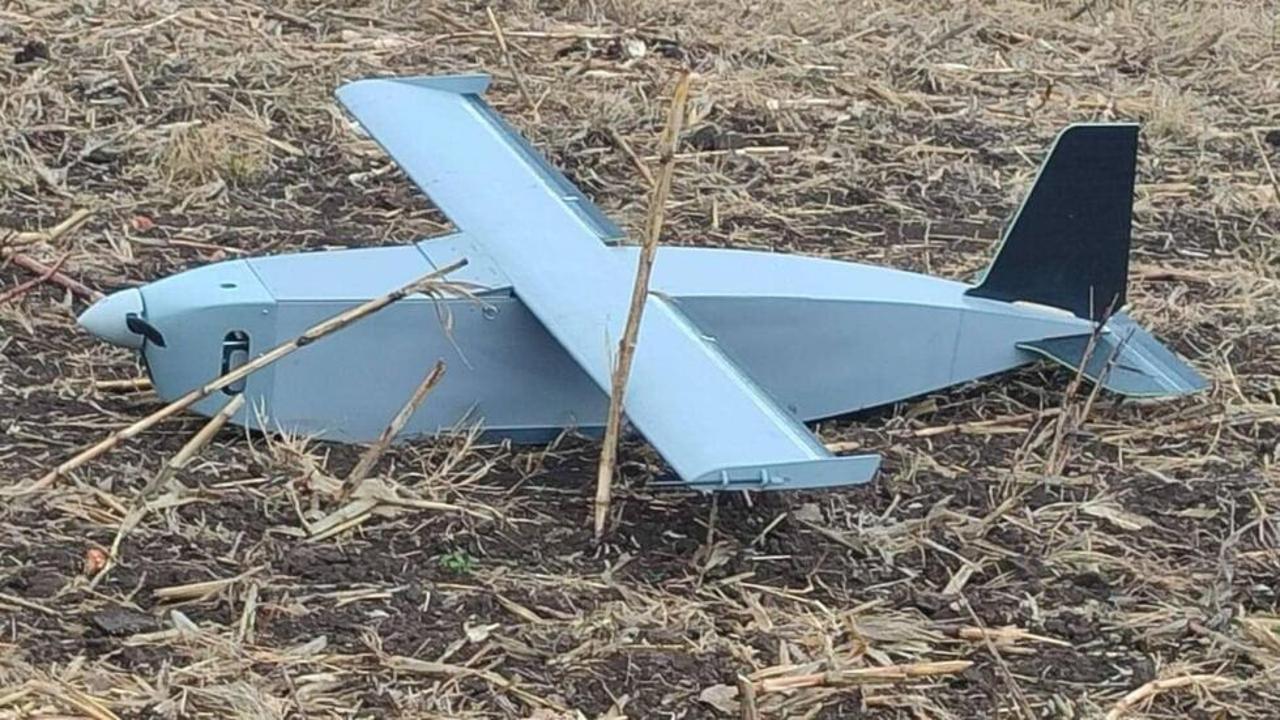
The Republic of Moldova is significantly enhancing its airspace security through a new set of regulations.
These measures will authorize the downing, neutralization, or taking control of drones, missiles, and aircraft that enter the country's territory without authorization. These new provisions are part of a draft decision from the Ministry of Defense, slated for government approval on July 2. Security experts emphasize the necessity of these provisions, particularly given the current geopolitical climate.
These measures include the control of airborne objects, their detection, identifying unmanned aerial vehicles, neutralization, and deactivation of their command, control, or communication functions. Additionally, kinetic measures will involve "the use of physical force to immobilize, destroy, or neutralize the unmanned aircraft."
These measures will be implemented in cases of airspace violation, non-compliance with usage rules, or when safety is at risk, as outlined in the draft decision. The new regulations also allow for the destruction of missiles that infringe upon our country's airspace.
Should aircraft fly through our airspace without authorization, initial contact will be made with the pilots to ascertain the aircraft's position and identity. Instructions will then be transmitted from the ground, and if necessary, the aircraft will be intercepted, potentially escalating to warning shots or destructive fire.
Russia's war of aggression against Ukraine has re-emphasized the critical need to bolster defense capabilities across the European continent, not solely within the Republic of Moldova, as noted by several analysts. The new airspace protection regulations align with these new realities, providing clear directives on handling national airspace overflights, stated Artur Leșcu, a security expert from the WatchDog community, in an interview with Radio Moldova. He highlighted that a legal framework is now in place for future military procurements, and Moldova possesses trained specialists equipped to utilize these systems.
"It's very well-structured; first, we employ non-kinetic means, which involves electronic takeover or attempts to divert them," Leșcu explained. "If those fail, particularly with more complex devices, then, under this law, we will have the legal authority to down them using kinetic means such as anti-aircraft artillery or surface-to-air missiles. The most advantageous and readily achievable aspect is that we have the necessary specialists, career military personnel, and our dedicated anti-aircraft detachment."
Artur Leșcu underscored that these investments benefit both Moldova's own security and the security of the entire region. He also emphasized the urgent need to modernize the national army, a sector that has long been neglected.
"It has long been crucial to invest in acquiring equipment that will make our skies safer," he stated. "Our current assets are morally, physically, and completely obsolete, failing to meet modern requirements. I anticipate the focus will be on acquiring equipment that is neither overly expensive nor overly complex. While no one is demanding, nor do we currently intend, to shoot down, for example, ballistic or cruise missiles, we will certainly be capable of intercepting those notorious Shahed-type drones."
In May, President Maia Sandu announced during a televised broadcast that the first anti-aircraft defense systems are expected to arrive in Moldova next year. She added that these investments would most likely be funded through non-reimbursable aid.
Translation by Iurie Tataru