Chișinău Airport renamed for composer Eugen Doga

Chișinău International Airport will be renamed in honor of the renowned composer Eugen Doga.
The government approved a draft resolution at its July 16 session, officially naming Moldova's main aerial gateway the "Eugen Doga Chișinău International Airport."
The initiative aims to honor the memory and cultural contribution of the maestro, who is widely considered a symbol of the Romanian spirit and an ambassador for the Republic of Moldova worldwide through his music.
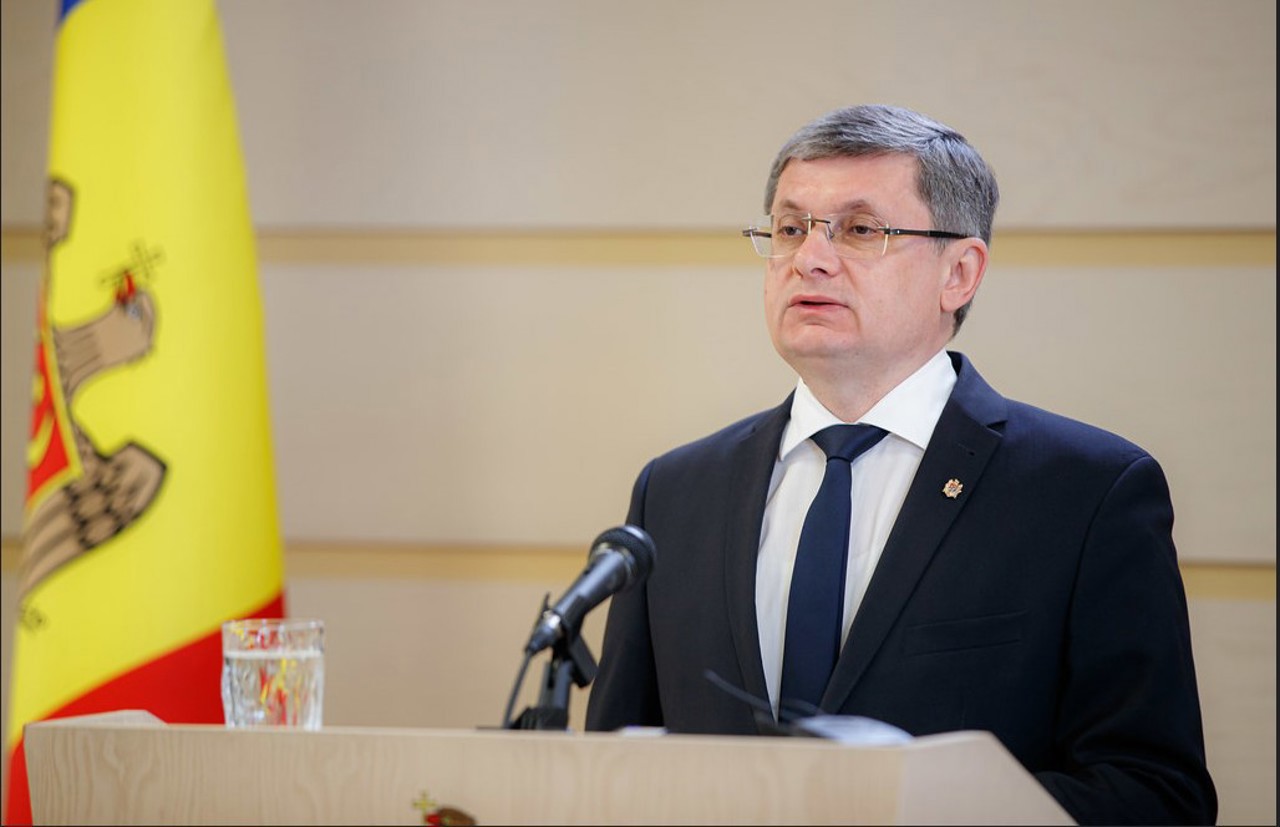
"This initiative seeks to honor the memory and immortalize the name of the renowned maestro Eugen Doga, a symbol of our culture, the Romanian spirit, and an ambassador for the Republic of Moldova globally through his distinctive music. The renaming of Chișinău International Airport represents a gesture of national gratitude, a sign of appreciation for a personality who united people, generations, and identities. Thus, we're transforming the country's main aerial gateway into a symbol of our cultural values and spiritual heritage," stated Vladimir Bolea, Minister of Infrastructure and Regional Development.
In turn, Prime Minister Dorin Recean reiterated the importance of promoting cultural values: "Moldova has the capacity to generate extraordinary, universal talents."
Composer Eugen Doga passed away on June 3, at the age of 88. Born on March 1, 1937, in Mocra village, Rîbnița district, Eugen Doga was a symbol of Moldovan culture and one of the most respected figures in Eastern European music. With a career spanning over six decades, he composed film scores, ballets, choral, and instrumental music, creating a distinctive soundscape where sensitivity, romanticism, and folk roots harmoniously intertwined.
He gained international recognition through his film scores for movies directed by Emil Loteanu, such as "Lăutarii" (The Fiddlers) and "Gingașa și tandra mea fiară" (My Gentle and Tender Beast), and Ion Popescu-Gopo's "Maria, Mirabela." The Waltz from "My Gentle and Tender Beast" was included by UNESCO on its list of 20th-century musical masterpieces and resonated on stages worldwide, including at the Olympic Games.
Eugen Doga also composed the music for the ballet "Luceafărul" (The Evening Star), inspired by Mihai Eminescu's poem, and numerous symphonic, choral, and chamber works. He composed music for over 200 films, making him one of the most prolific composers in the former Soviet bloc.
Awarded the title of People's Artist of the USSR, the Order of the Republic of Moldova, and the Order of the Star of Romania, Eugen Doga was not only an exceptional creator but also a champion of Romanian and European cultural values. He consistently supported young musicians and advocated for cultural unity between the Republic of Moldova and Romania.
Translation by Iurie Tataru