Moldova will join European grid in 2027 as Bălți–Suceava power line construction begins
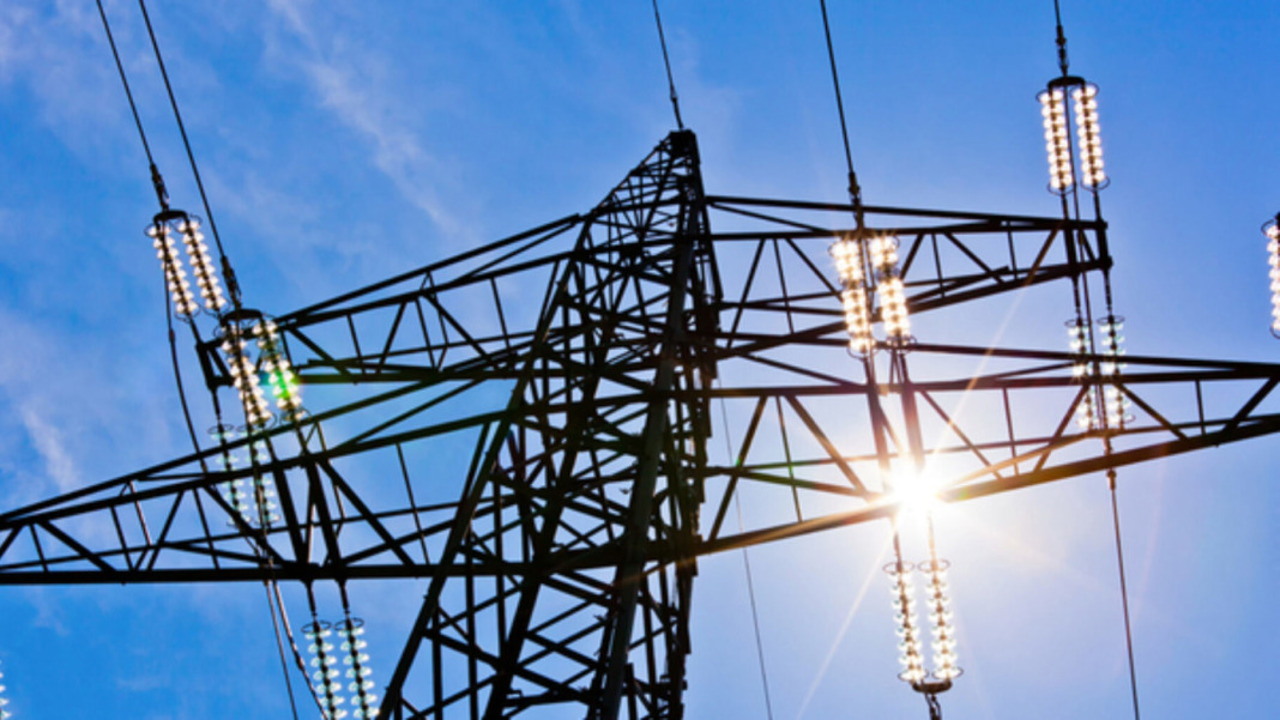
Construction of the 400 kV Balti-Suceava overhead power line is set to begin next year, with the project anticipated to be completed by 2027. This announcement was made by Serghei Carmanschi, the technical director of the state-owned enterprise Moldelectrica, during the "Zi de Zi" show on Radio Moldova. Moldelectrica is the company responsible for implementing this project.
Construction work is set to begin in mid-2026. Before that, we will collaborate with the contractor who will be signing the contract. A project will need to be developed, and construction will commence based on this project.
The planned line will be approximately 48 kilometers long and will pass through 12 localities across the Glodeni, Falesti, and Riscani districts, as well as the Balti municipality. Once this line is launched, it will connect the national electrical system to the European energy network, thereby reducing the Republic of Moldova's dependence on unreliable energy sources, as specified by Carmanschi.
The capacity of the line will be, to some extent, limited by the Balti 400 station, where 600 MW autotransformers will be installed. This connection will also enable the integration of more renewable energy sources, thereby enhancing the security of electricity supply for end consumers.
On Friday, the European Bank for Reconstruction and Development (EBRD) officially launched the tender procedure for constructing the 400 kV Balti-Suceava overhead power line. The deadline for submitting bids is September 15. The construction of the Balti-Suceava line is an integral part of the national strategy for interconnection with the continental European energy system ENTSO-E.
The total estimated value of the project is 77 million euros and is funded through multiple sources: a non-repayable grant of 15 million euros from the European Union via the EBRD, a 30 million euro loan from the EBRD, and an additional 30 million euros from the European Investment Bank.