Israel's war on Hamas: Gaza City offensive looms
Israel's Security Cabinet approved a plan to destroy the radical Islamist movement Hamas and take control of Gaza City, according to international agencies AP and Reuters, who announced the decision on Friday, August 8.
The decision was made during a late-night meeting of Israeli leadership, despite increasingly urgent international calls for a ceasefire and protests in Israel regarding the fate of hostages held by Hamas.
Israeli Prime Minister Benjamin Netanyahu had previously stated in an interview with Fox News that Israel intended to take full control of the entire Gaza Strip. The Israeli army currently controls approximately three-quarters of the enclave.
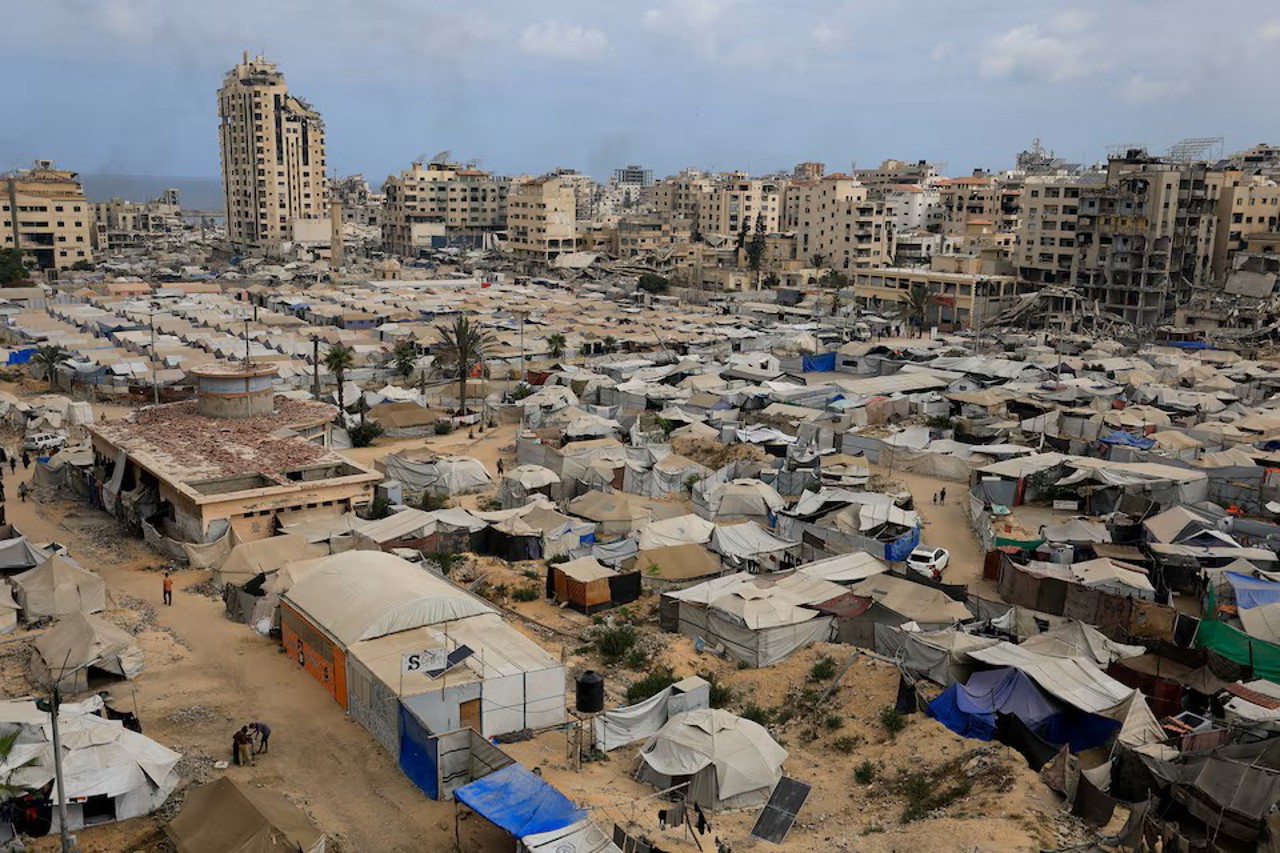
According to the AP, a large-scale ground offensive in Gaza City—one of the few areas not yet turned into a buffer zone or evacuated—could displace tens of thousands of people and further hinder the delivery of humanitarian aid.
Amid regional tensions, Steven Witkoff, the U.S. President's special envoy for the Middle East, visited 'Hostages Square' in Tel Aviv last weekend—an area in front of the Art Museum that has become a symbol of solidarity with the victims—and inspected humanitarian aid distribution points in Gaza.
The conflict escalated on October 7, 2023, when Hamas—designated a terrorist organization by the E.U. and the U.S.—launched a major attack on Israel. Militants fired rockets, breached Israeli territory, and killed approximately 1,200 civilians in what is widely considered the deadliest massacre against the Israeli people in recent history. Additionally, more than 250 people were taken hostage and transported to the Gaza Strip. Some were freed or exchanged, while others were killed.
In response, Israel declared war on the Hamas movement. According to the Hamas-controlled Ministry of Health in Gaza, over 60,000 Palestinians have been killed and more than 145,000 injured during bombardments and ground operations. However, the reported figures do not include a clear estimate of the number of Hamas combatants among the casualties, and the data collection methodology is not detailed.
Translation by Iurie Tataru