Diaspora Congress: Bridging Moldova's Future
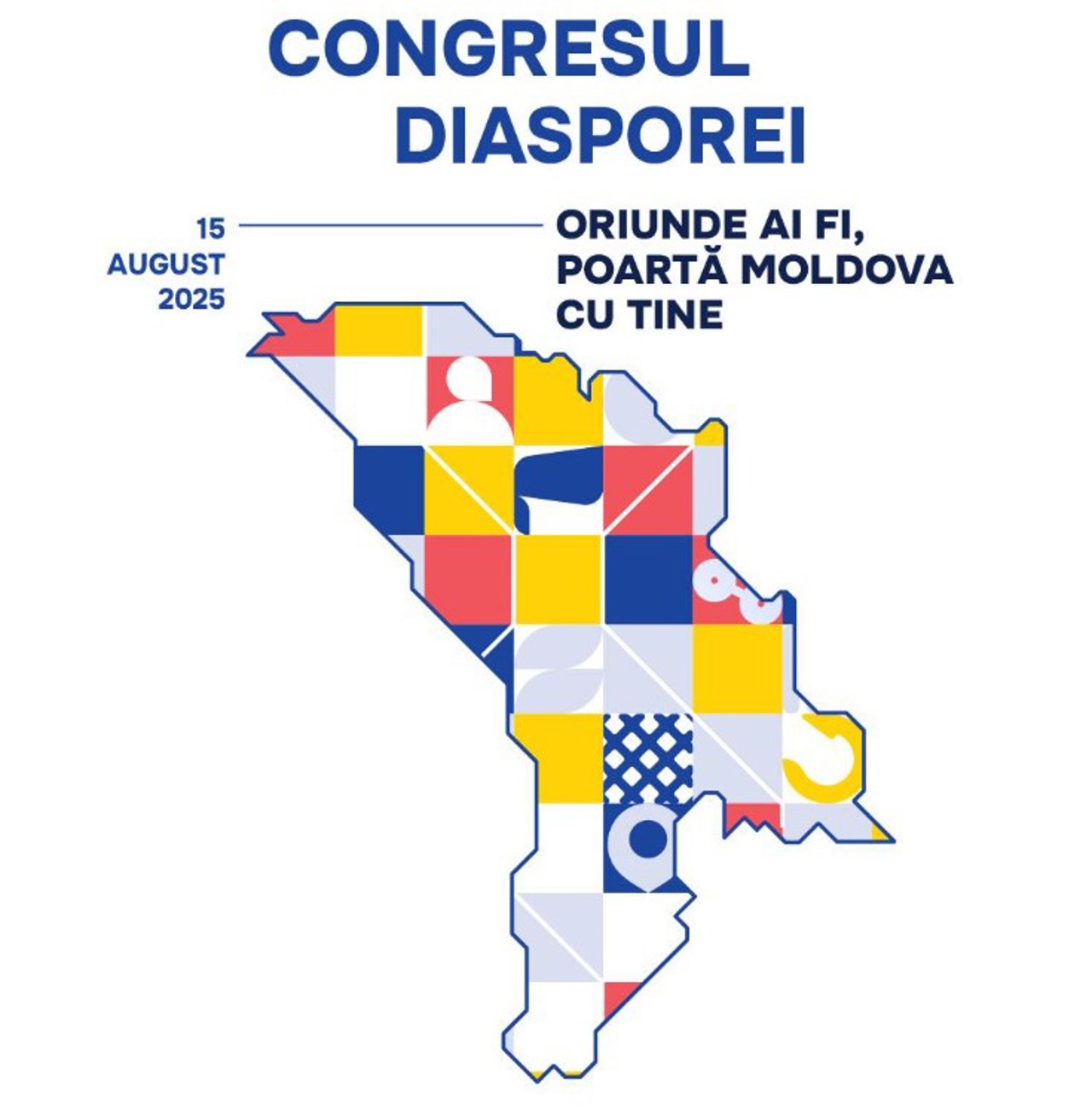
Over 800 people have registered for this year's Diaspora Congress, which will be held on August 15 at the Palace of the Republic in Chișinău.
Diaspora representatives want a constructive dialogue with authorities and are seeking "concrete steps" to involve those living abroad in Moldova's development.
Organized biennially by the Bureau for Diaspora Relations, the event is considered the most important forum for discussion between citizens living abroad and the Moldovan authorities.
The Diaspora wants a voice in decision-making
"The diaspora is no longer what it was years ago. It has changed, evolved, and now its expectations are different," said Oleg Josanu, a freelancer and manager of the information desk for migrants in Padua, Italy, during the show "The Public Space" on Radio Moldova.
Josanu notes that today there are well-organized communities that want more than just to send money home; they want to be part of the decisions shaping the country's future. He stressed the importance of a constructive dialogue during the Congress, urging for "concrete steps, not just promises."
Government representatives emphasize that the diaspora plays a crucial role in Moldova's European journey, particularly through the influence and image they project in their countries of residence.
"The diaspora contributes significantly to the Europeanization of our country. European states will have to vote on whether Moldova joins the EU. It's therefore very important that we have active diaspora communities who talk to locals about Moldova. They are our best ambassadors, and that's not to be overlooked. When the diaspora comes home, they should communicate as much as possible with people at home about Europe, because we're a target for disinformation every day," said Ana Calinici, Secretary of State for the Government, on Radio Moldova.
Young people are returning home
Special attention at the event will be given to young people who have gone abroad for their studies. Officials warn that once integrated into their host countries, they may gradually lose their connection to Moldova.
"Students are the ones who must be kept close to Moldova. We, as a state, do not want to lose touch with them. Young people integrate very quickly, learning the language of their new country. In this era of globalization and constant internationalization, we must be careful. There are generations that no longer know the Romanian language, and we risk not bringing them back. The state must develop tools to keep the Romanian language, national identity, and our traditions in focus. We must maintain this communication between Moldova and students living abroad," added Ana Calinici.
The Diaspora Congress will also feature programs from the Bureau for Diaspora Relations designed to support the return of young people. One such initiative brought 28 graduates from abroad back home in a single year, offering them scholarships, mentorship, and covering their transportation expenses.
Local communities also have a voice. The Alliance of Hometown Associations currently includes 92 NGOs across the country, which have taken on the role of engaging with the diaspora and conveying community needs to the central authorities.
"Over the course of a year, this dialogue helped us successfully develop a national program with very concrete steps to assist those who intend to return or have already returned. The expectation for this Congress is that everything we gather from the territory—what mayors, diaspora members (as natives), and local NGOs say—is heard, structured, and transformed into concrete programs," said Tatiana Solonari, General Secretary of the Alliance of Hometown Associations.
Debates from the congress will shape national policies
The Diaspora Congress provides an opportunity to analyze recent achievements, discuss how the diaspora can contribute to the country's development, and transform ideas into national policies. The event also promotes local initiatives that deserve to be integrated into national strategies to create a constant and efficient dialogue.
The opening ceremony will be followed by a discussion with President Maia Sandu, and then a panel dedicated to European integration.
Participants will then attend four parallel workshops:
Civic Activism and the Fight Against Disinformation Young People from the Diaspora: Tomorrow's Leaders Involving the Diaspora in Local Development Moldovans Abroad: Cultural Ambassadors of the Republic of Moldova
Finally, participants will adopt a resolution that reflects the conclusions of the debates and proposals from the workshops. This document will set policy priorities for the next two years and will be preceded by public consultations and the collection of ideas from community leaders and activists.
The Diaspora Congress is part of the Diaspora Days event series and is organized with the support of GIZ Moldova, UNDP Moldova, and the Swiss Agency for Development and Cooperation.
Translation by Iurie Tataru