Moldova's pivotal election: A referendum on its future
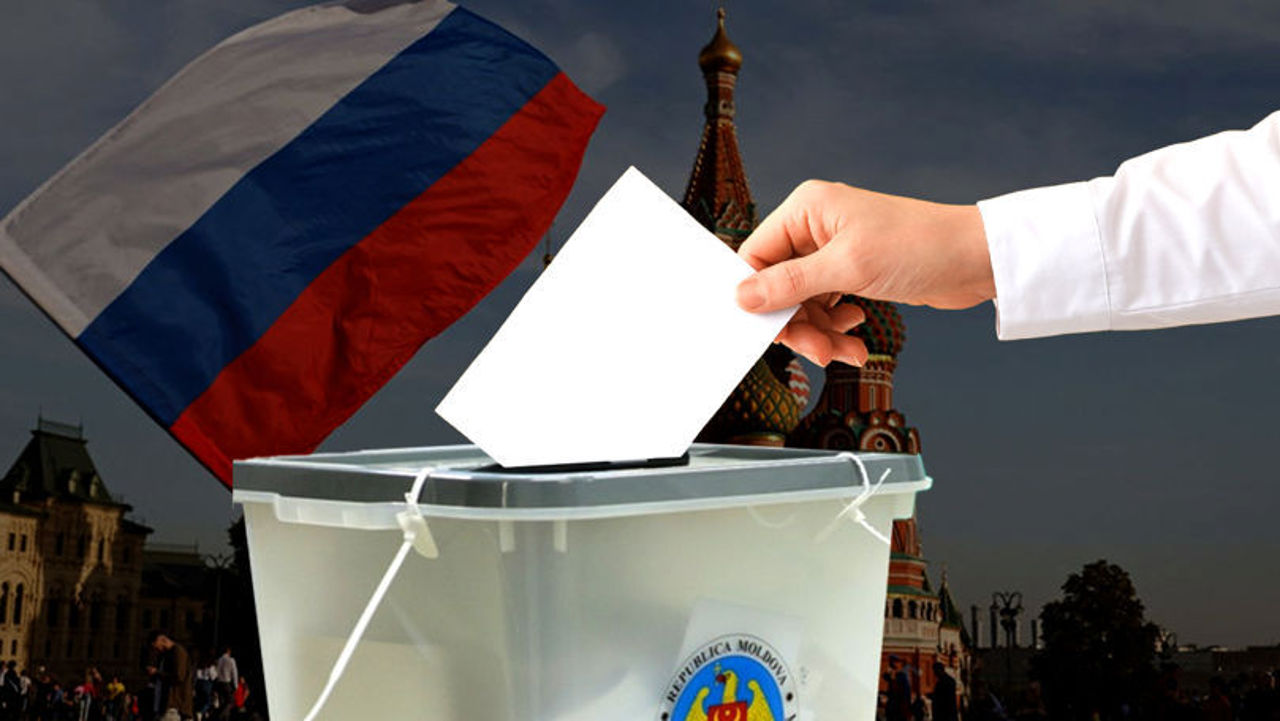
Moldova is set to hold a crucial parliamentary election on September 28. Analysts describe the vote as a "new referendum" on the country's pro-European trajectory, which has been under increasing pressure from hybrid aggression by the Russian Federation for several years.
The election’s outcome will shape not only the composition of the next Parliament but also the nation's strategic direction.
Disinformation and online propaganda, the illegal financing of political parties, vote buying, and the obstruction of democratic and judicial reforms are the main hybrid tactics Russia is employing to influence Moldova's elections. These findings were shared by experts from Moldova, Romania, and other countries who gathered for the "Standing with Moldova: International Conference for Truth and Freedom" in Bucharest on Monday, August 18.
A critical moment for democracy
Angela Grămadă, president of the Romanian Association "Experts for Security and Global Affairs," said at the conference that these elections may be the most important since the country gained independence in 1991. As a parliamentary state, Moldova’s prime minister is appointed by a parliamentary majority, which means that executive power and administrative resources are directly dependent on the election results.
According to Grămadă, a hostile Parliament composed of pro-Russian parties could significantly slow down democratic reforms, anti-corruption efforts, and the functioning of state institutions, even if European integration is not formally halted.
"This would represent a significant setback, particularly for Moldova's democratisation," Grămadă explained. "The European reforms we are working to promote or implement in Moldova offer a solution to the 'war of values.' They explain to people the benefits of being a member state—what it means to be under that protective umbrella of democratic values, which brings justice and anti-corruption measures, and ensures that people will no longer try to sabotage the functioning of political and public institutions within the state."
Unprecedented interference
Ion M. Ioniță, the editor-in-chief of "Historia" magazine and a political analyst, highlighted that Moldova is under extraordinary aggression as part of a full-fledged "hybrid war." He noted that social media and disinformation campaigns are weapons of mass destruction for societal morale and trust in institutions.
He pointed out that numerous instances of vote buying were found in previous elections, aimed at influencing the outcome and even sabotaging the country’s European path. Ioniță warned that these practices are likely to recur in this autumn's election campaign.
"I understand the total was around 40 million dollars," he said. "It's a small amount with which you can buy a country. That's what the market was like, according to authorised sources. It's hardly a major effort to buy a country for 40 million dollars. This is in addition to the disinformation, manipulation, and political campaigns."
Ioniță added that Russia is not only funding pro-Russian parties but is also creating political groups disguised as pro-European ones to gain as much ground as possible. "So, they are occupying the entire political space with the movements they are forming and financing," he said.
He also stressed that Moldova is not the only country targeted, noting similar vulnerabilities in all post-communist societies where authoritarian forces can rapidly return to power if they gain an electoral advantage. "35 years after the fall of communism, we risk returning to a zone of dictatorship, and the experiences of other states show how quickly such forces can consolidate," the analyst concluded.
The need for a digital war room
At the same conference, Len Khodorkovsky, a former US Deputy Assistant Secretary of State for Digital Strategy, stated that Moldova and Romania must adopt firm measures to combat disinformation and protect their democracies. He noted that technology is a "double-edged sword," capable of promoting freedom or acting as a weapon against democratic societies.
Khodorkovsky advised authorities to focus on educating the public to recognise fake news and "deepfakes," creating rapid response mechanisms through a "digital war room," and strengthening transparency to build public trust in democratic processes.
"Moldova's democracy is literally at stake," he said, emphasising the need to secure electoral infrastructure and voter data. He praised the use of paper ballots as an additional guarantee of the electoral process's integrity.
According to Khodorkovsky, collaboration with the European Union and private tech companies is essential for the early detection and blocking of hybrid attacks. "The good news for Moldova is that, as a democracy, it has friends. Moldova must work with its friends and partners and leverage their capabilities," he said. "The earlier and more quickly Moldova engages in this effort, the more likely it is to secure its democracy."
Current threats and state response
It should be noted that Moldova is facing a coordinated wave of interference from the Russian Federation, ranging from manipulative statements to cyberattacks and calls for street protests.
In late July, President Maia Sandu warned that Moscow is planning to undermine Moldova's democracy and derail its European path using ten key tools. These include electoral corruption and illegal financing (including with approximately €100 million in cryptocurrency), massive information manipulation and personal attacks, paid protests, cyberattacks on critical infrastructure, the involvement of the church in disinformation, provocations in the Gagauz Autonomy and the Transnistrian region, and the radicalisation of citizens via social media.
Authorities have assured the public that state institutions are acting in a coordinated manner to prevent these attempts and protect the country's democratic processes.
Translation by Iurie Tataru