Moldova's new ID card could unlock EU travel
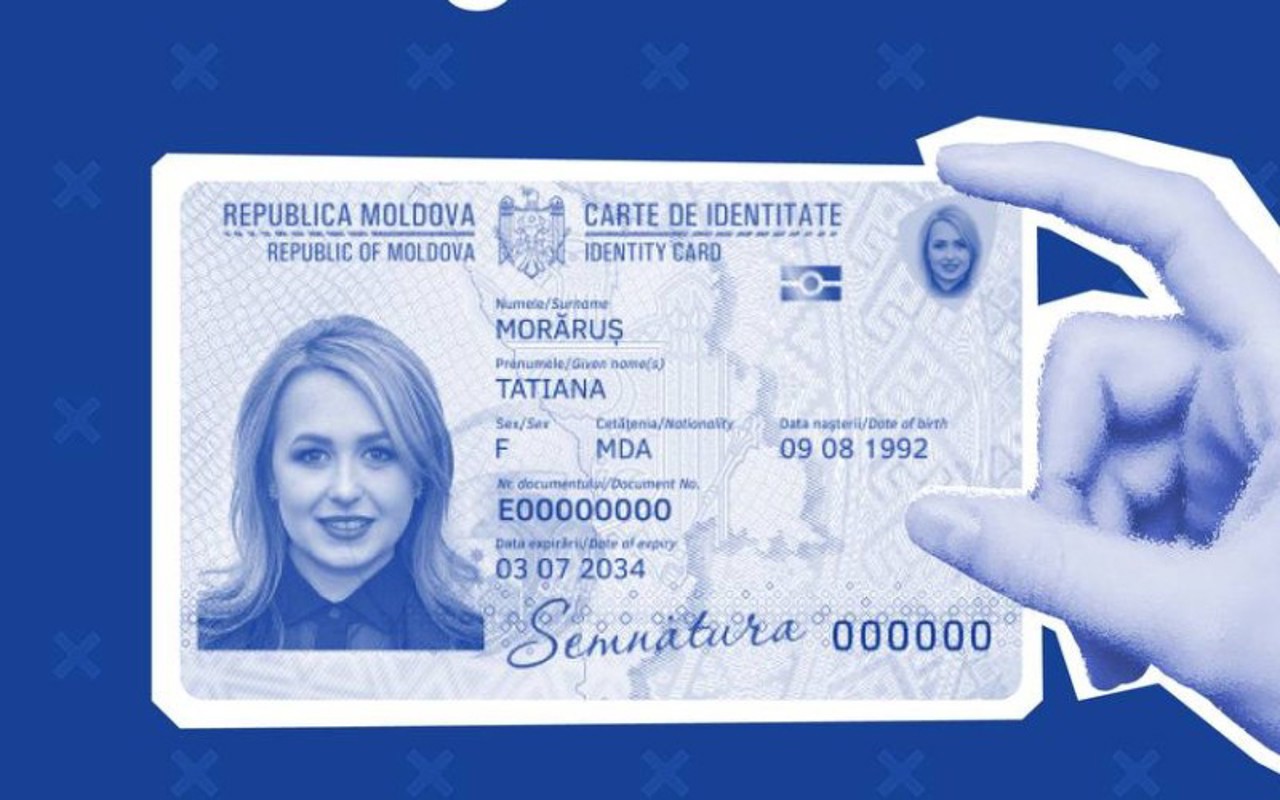
More than 125,000 Moldovan citizens have received new-generation ID cards since April, with a further 40,000 expected to collect theirs shortly.
Authorities in Chișinău say the new ID cards meet European standards and could become a travel document for the European Union even before Moldova officially joins the bloc.
The director of Moldova's Public Services Agency (ASP), Mircea Eșanu, said the agency has received more than 165,000 applications and has issued 125,000 cards so far. He added that a large proportion of the new cards—between 80 and 85%—include a free electronic signature, which is also issued free of charge with a person's first ID card.
The new cards have also proved popular with Moldovans living abroad, with more than 300 requests received. The documents can be obtained at any of Moldova's consular sections abroad.
The director said the ID card would be a crucial tool in the digitisation of public services. He stated that more than 300 public services are already available, but citizens are often unable to access them without an electronic ID.
The electronic signature replaces a handwritten signature and provides a means of identification. The free digital signature was a key factor in the decision to offer the new cards at no cost. He added that major banks were already accepting digital signatures for remote identification, helping to save time.
While becoming a travel document for the European Union is a priority for the ASP, its implementation is a medium-term goal. However, given that Moldova already meets all the EU's technical requirements, the move could happen even before official accession.
The government has offered the first million cards for free to those who apply, but it plans to introduce a charge once that offer expires. The final prices are expected to be significantly higher.
The new documents do not hold information on the holder’s permanent or temporary residence, which is instead held on the government’s MConnect platform. The move means cardholders will no longer have to change documents when they move house.
They also include an electronic data storage chip with biometric data—including a facial image and fingerprints—as well as qualified electronic signature technology.
Translation by Iurie Tataru