Moldova Election: Why Transnistria polling stations are a security risk
The so-called administration in Tiraspol, the pro-Russian opposition in Chișinău, and certain voices in Moscow are demanding more polling stations for voters from the Transnistrian region for the parliamentary elections on September 28.
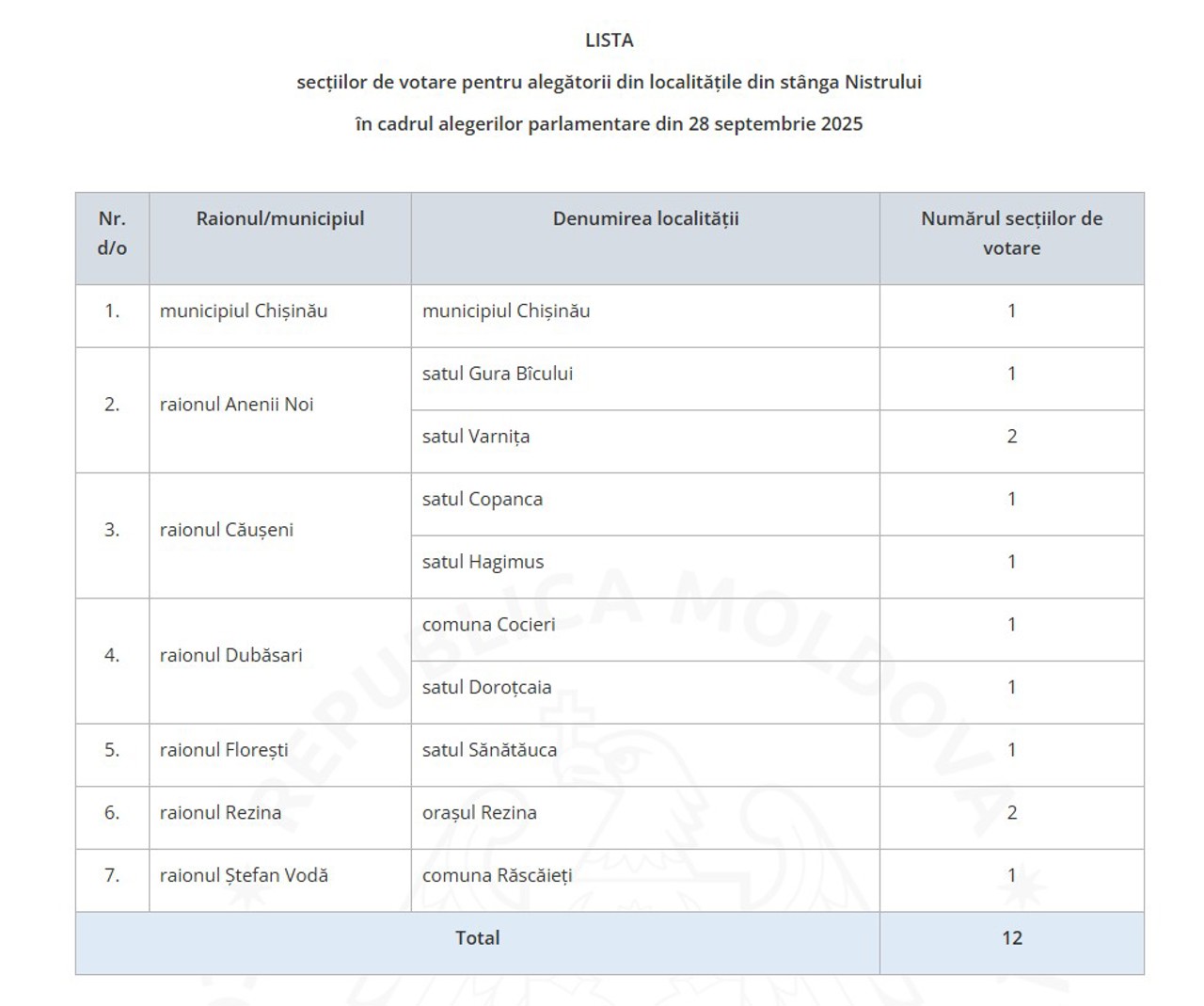
On August 24, Moldova's Central Electoral Commission (CEC) decided to open 12 polling stations for Moldovan citizens in the breakaway region of Transnistria, including the municipalities of Bender, Chițcani, Cremenciug and Gâsca, which are temporarily outside of Chișinău’s control. The stations will be located in six districts, with one in the capital, Chișinău.
The decision has angered the self-proclaimed authorities in Tiraspol, who have demanded at least 41 polling stations. The pro-Russian Party of Socialists also criticised the move, with leader Igor Dodon accusing the government in Chișinău of "usurping power." In a televised broadcast, Mr. Dodon urged Transnistrians to cross the Dniester "early" or "a day before," arguing that 36,000 votes could represent "up to 2%" and "tip the balance" in the autumn elections.
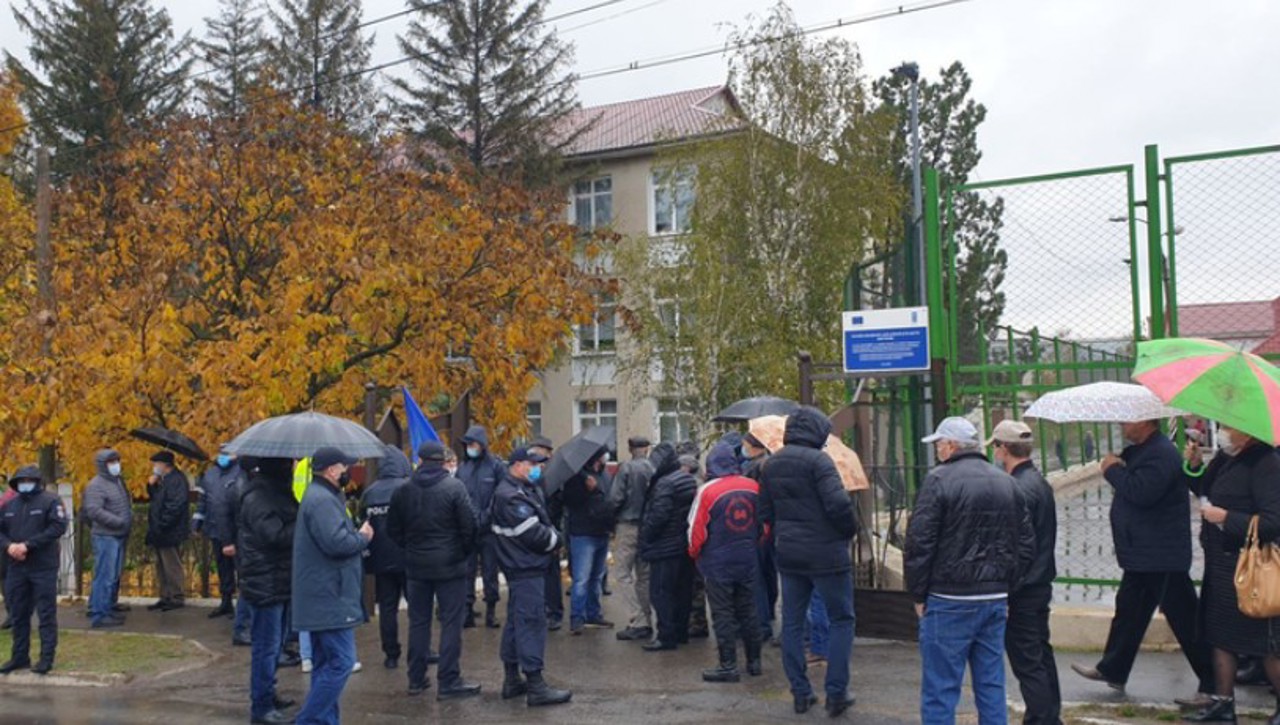
There were also echoes in Moscow, where a few citizens recently protested in front of the Embassy of the Republic of Moldova, requesting more polling stations for Transnistrians.
The number of polling stations approved by the CEC is higher than the one recommended by security agencies, which cited "risks to security, public order, and destabilization, including on election day."
For example, the General Police Inspectorate proposed nine stations based on its own analysis, informing the CEC of risks related to the electoral process, including:
manipulation of undecided voters, including emotional manipulation through negative campaigns; disinformation and external influences; electoral fraud, including vote buying for voters who are transported to the polls in an organized way; blocking access to polling stations via false alerts ("bomb" or "suspicious object") near bridges; provocations on the travel routes of voters from the Transnistrian region; organization of spontaneous protests; scenarios of provocation under a foreign flag; destabilization of the Transnistrian region through interference from the Russian Federation.
The Intelligence and Security Service (SIS) proposed even fewer, just eight stations, arguing it was responsible for preventing "special dangers" to state security.
However, the CEC based its decision on data from the State Register of Voters, correlated with the dynamics of participation of voters from the Transnistrian region in the last three elections.
The CEC argued that "even when we consider the maximum average turnout in the last three elections, which is 28,954 voters—a figure comparable to the voter turnout in the 2021 parliamentary elections when 28,791 voters participated—and we compare this to the maximum number for which a polling station is opened, which is 3,000 people, we find that this number of voters can be served by 10 polling stations. For these reasons, such an estimated maximum flow can be optimally managed within the 12 polling stations."
It is worth noting that during last year's presidential elections and the referendum on European integration, 30 polling stations were opened for voters from Transnistria. While some stations saw queues, with observers reporting organised transport of voters, others saw very low turnout. For example, at the station in Bălți, only one person voted, while others recorded between 35 and 100 voters.
Translation by Iurie Tataru