Russia to quit European Anti-Torture Convention: What it means for prisoners
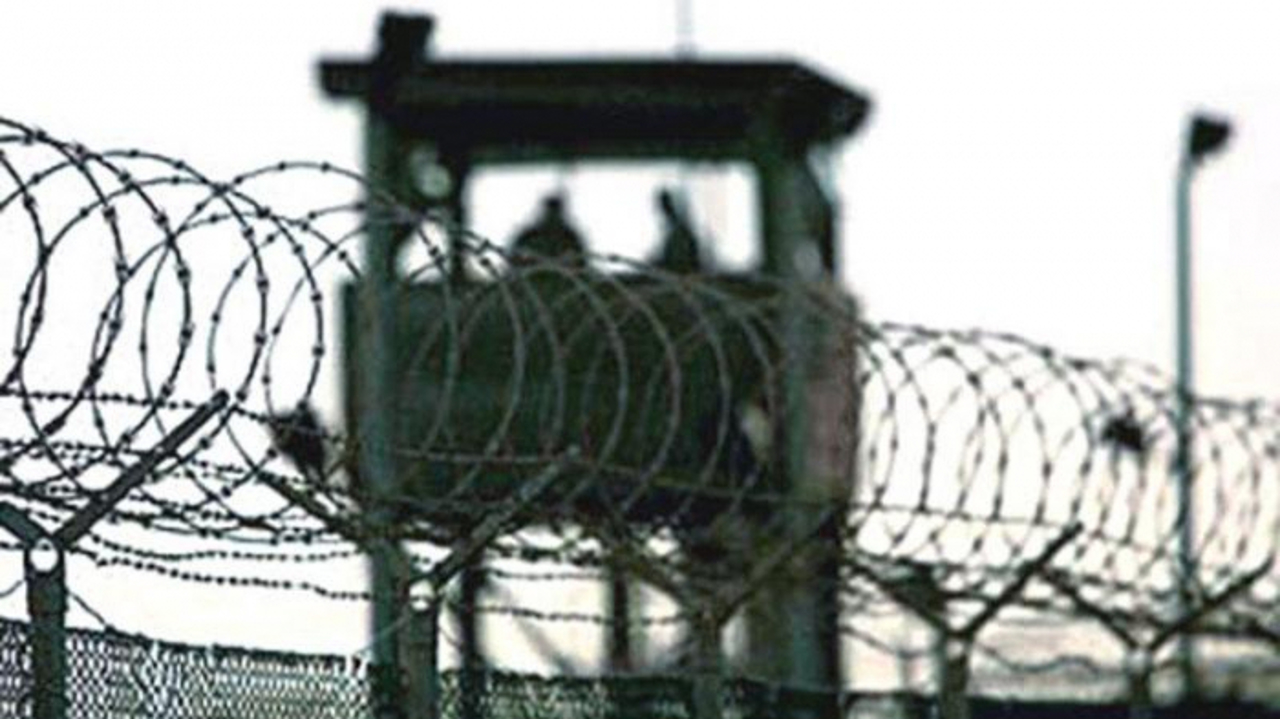
Russia is preparing to quit the European Convention against Torture. The convention allows international inspectors to visit Russian prisons, to document abuses and demand their elimination.
Since the start of the war against Ukraine, their access has been blocked following the Russian Federation's withdrawal from the Council of Europe. Human rights activists warn that this decision will further worsen the situation for detainees, whether civilians or prisoners of war.
Torture is commonplace in Russian prisons. People are beaten, raped and killed, says Sergei Saveliev, a former detainee, in an interview with the BBC. While in prison, he worked as an IT administrator and had access to video recordings. In 2021, the human rights organisation Gulagu.net published these images. Saveliev's archive confirms that the torture is not a series of isolated cases but a systemic practice. The published images have become evidence, including in cases submitted to the European Court of Human Rights (ECHR).
“When I opened my eyes, I didn’t understand what had happened: my entire face was covered in blood. 'Do you think that’s normal?' he asked. 'No, it's not normal. I want to leave here sane and alive, not mentally ill or dead.'”
In 2022, after the full-scale invasion of Ukraine, Russia withdrew from the Council of Europe, renounced the European Convention on Human Rights and refused to comply with the decisions of the Strasbourg Court. And recently, the Moscow government proposed to President Putin that Russia withdraw from the European Convention for the Prevention of Torture and Inhuman or Degrading Treatment or Punishment.
Russia was a party to the Convention for 27 years. Representatives of the anti-torture organisation visited Russia 30 times and prepared dozens of reports, though only four were made public, as Moscow’s permission was required for their release. The reports covered cases from Chechnya, psychiatric hospitals, prisons and the torture of suspects in the March 2024 Crocus City Hall terrorist attack. The most recent report, from last November, was about the death of opposition leader Alexei Navalny, who was in detention at the "Polar Wolf" prison. Navalny had denounced the detention conditions and cases of torture. The Kremlin labelled the issues raised by the committee as "politicised and ambiguous," accusing them of blackmail. After Moscow withdrew from the Council of Europe, visits by the Committee for the Prevention of Torture to prisons and psychiatric hospitals are no longer possible.
Torture, however, continues, and Ukrainian prisoners of war returning home recount the detention conditions in Russian prisons.
“There wasn't a single day when we weren't beaten with a taser or a PR baton, for instance, until it broke. 'What is a PR?' a reporter asks. 'A rubber baton,' he replies.”
Kyiv's foreign ministry says Russia's decision to withdraw from the Convention against Torture is a confirmation of guilt. Experts say that torture remains a crime, regardless of the Kremlin's decision not to be part of various international organisations, but the lack of oversight will only worsen the situation for detainees.
“The prohibition of torture is a peremptory norm; it does not depend on states’ participation in certain international treaties. Torture is absolutely inadmissible and cannot be justified by anything, and that is where we must start,” notes Gleb Bogush, an international expert and researcher at the University of Cologne.
At the same time, Russia remains a party to the UN Convention against Torture. Torture, violence, and other types of abuse are also prohibited by the constitution of the Russian Federation.
Translation by Iurie Tataru