European Commissioner: Moldova's EU accession 'possible by 2028'
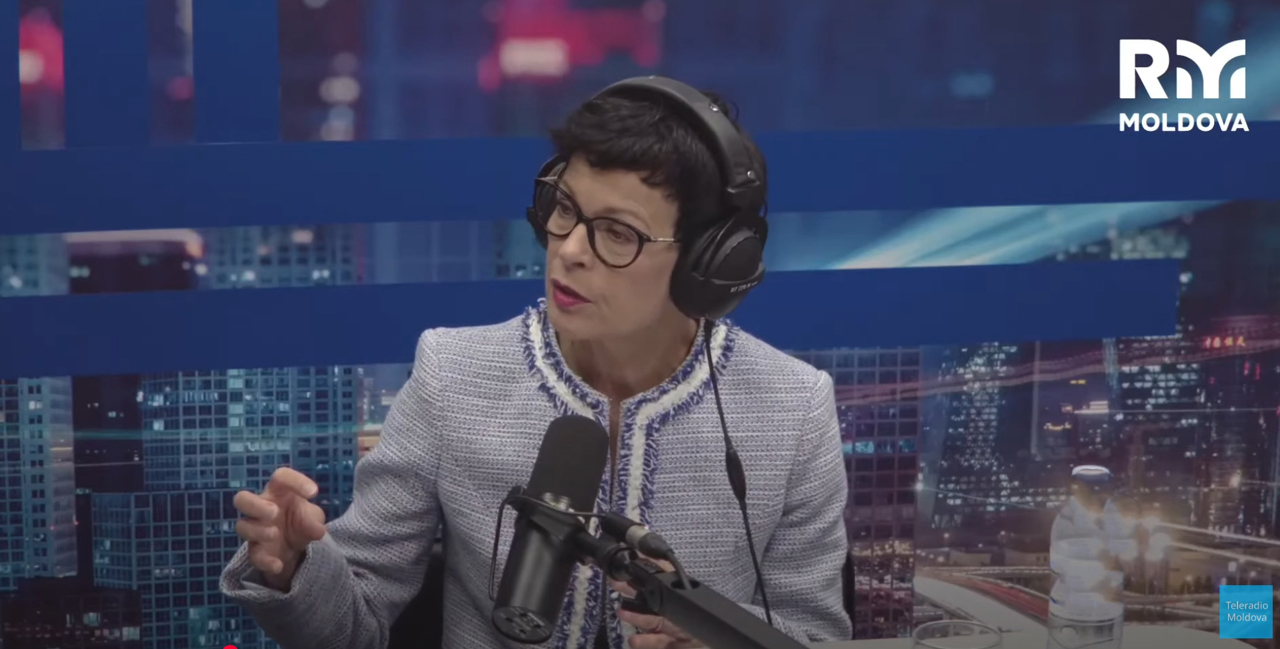
European Commissioner for Enlargement Marta Kos has warned that Moldova's bid to join the European Union could stall if the country's reform efforts slow down.
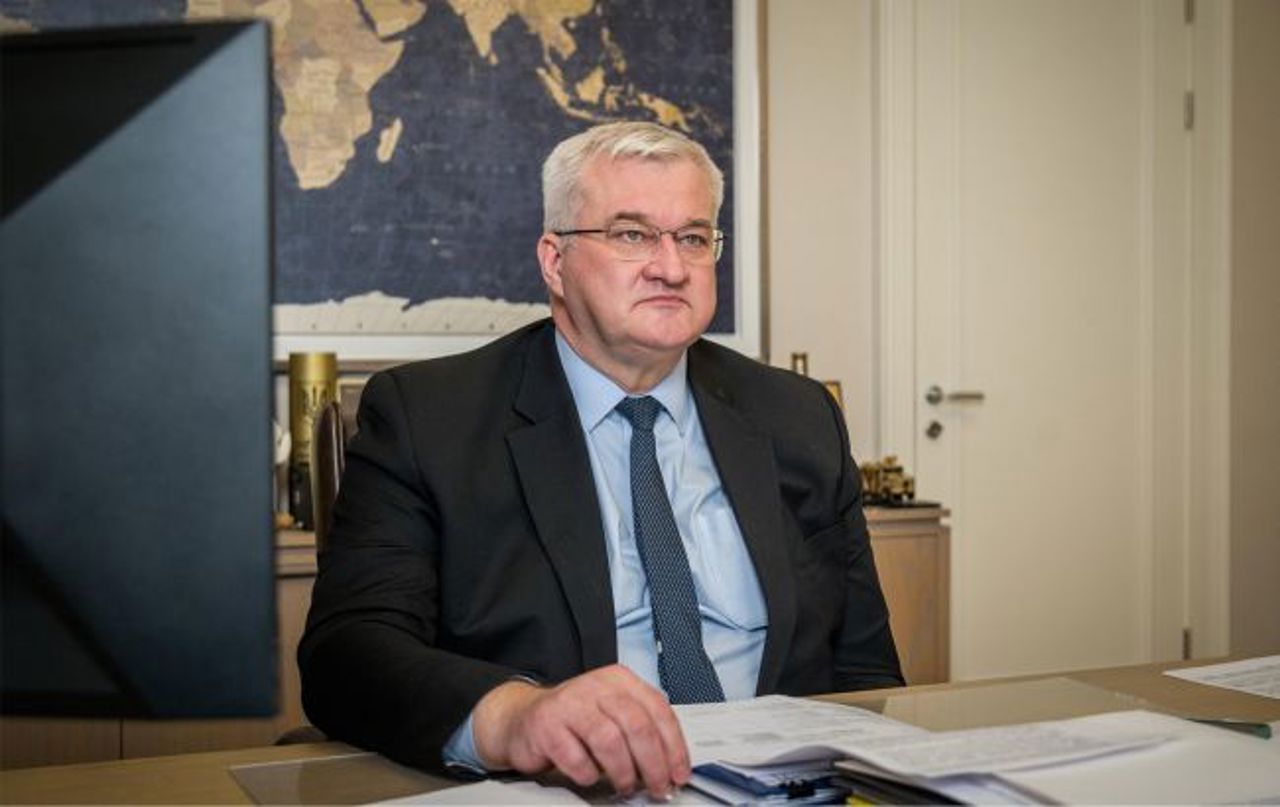
Speaking from Chisinau, Ms Kos said that the successful completion of accession talks, set for 2028, depends on continued public and political support for the pro-EU reforms. The statement comes amid rising geopolitical tensions in the region, with the war in neighbouring Ukraine and a greater push from the West for a stable, secure eastern Europe.
The official highlighted the country's good progress, stating that results were visible both in Brussels and Chisinau.
“What's important for me is to see how your country is developing, and my message this time is that you are making very good progress," Ms Kos stated on public radio. “The diligent work you have undertaken is truly remarkable. Whenever we meet and discuss what needs to be done, you always manage. Not all countries have made the same progress, which is something I appreciate. I appreciate the serious attitude, the commitment to move towards the European Union, and despite the work being so difficult, you are still delivering results.”
Ms Kos also pointed out that while Moldova has made rapid progress, it is essential that the pace of reforms is maintained in the coming years.
“Moldova can only continue its progress toward the European Union if it keeps delivering results," she said. "And yes, you have truly made very, very rapid progress, but what happens in the next three to four years will be decisive for Moldova's future. You are implementing reforms very well right now, but if this speed slows down, it will also mean losing certain results. Democracy relies specifically on the will of the citizens and on your responsibility. Completing the negotiations by 2028 is possible if you want it.”
European Funding and Transparency
Ms Kos also detailed how the EU monitors the use of funds granted to Moldova. She stated that the first tranche of nearly 300 million euros has already reached the country and that the next amounts, from the €1.9 billion financial package, will be directed toward specific projects, especially for infrastructure, rural development, health, and education.
“We do monitor this, and there are two reasons for that. First, because these are European taxpayers' funds, I must justify and explain the expenditures,” she said. “Your citizens have the right to know what projects the European funds are being spent on. Transparency is absolutely essential and the best way to build trust in your institutions.”
The risks of an anti-reform government
When asked what an anti-reform government would mean for Moldova, Ms Kos warned that anti-European forces could slow down or even jeopardise the country's pro-European path. However, she reiterated that EU funding remains conditional on reforms.
“This shows that this awareness exists. That if some anti-European forces were to win, the process probably wouldn’t run as smoothly as it is now. These forces could take us back to the past and could jeopardise the progress we’ve made in recent years,” she explained. “If you want to be part of the European family, you need a government and a parliament, of course, that wants to promote reforms. For this reason, solid reforms will always be linked to our financial support.”
Ms Kos's visit is scheduled to include discussions on reforms and the country’s EU path with government representatives. She will also meet with business figures and members of the press in both the capital and the Causeni district.
Translation by Iurie Tataru