Russia accused of new vote-buying scheme in Moldova
Authorities in Moldova say Russia is continuing its attempts to corrupt voters ahead of elections, this time using a new method of transferring funds via the Taito app, which can be downloaded from Telegram.
Moldova's General Police Inspectorate (IGP) has asked Telegram and Taito administrators to halt the illegal transactions, but they are ignoring the requests.
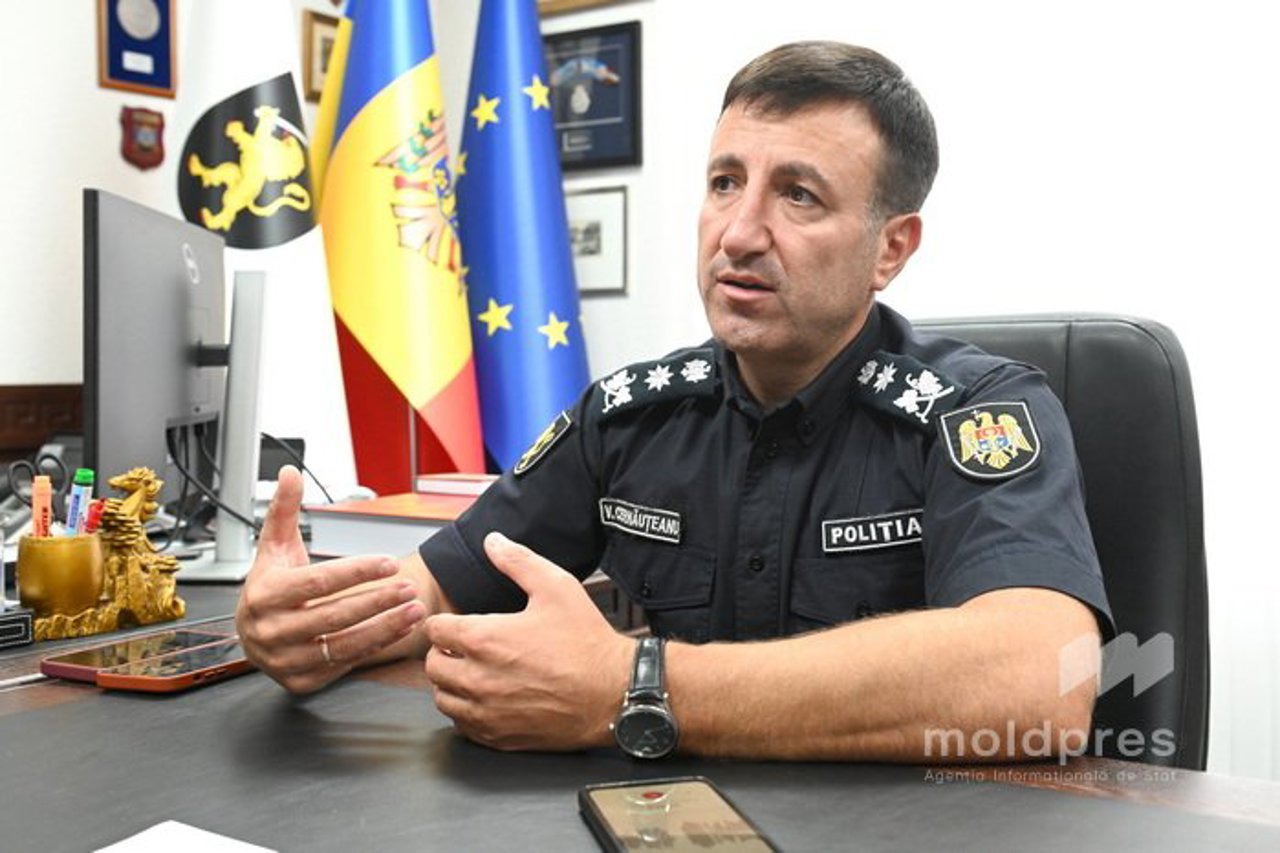
"We have not received any response," National Police Chief Viorel Cernăuțeanu told the Moldpres news agency. "When we talk about misinformation, we are asking them to take a stand. But in the case of Telegram and Taito, we're talking about financing and electoral corruption, so we've also highlighted aspects of the criminal case, showing a crime was committed on Moldovan territory and that an investigation is underway."
The PSB app, a Russian Federation banking system used to corrupt voters last year, remains active, but transfers are no longer made directly to a person's virtual card.
"The mechanism is now a bit more sophisticated," the chief explained. "The money is no longer transferred directly to a person’s mobile phone. Instead, the Taito app is used to view incoming financial transfers. The funds go through a number of steps: they are converted from Russian roubles to cryptocurrency, then to US dollars, and finally into Moldovan lei, before being wired to the citizen either on a card or as cash."
"Anyone who thinks a virtual transaction cannot be documented is dead wrong, because every transaction leaves a trace and can be traced," he warned.
Mr. Cernăuțeanu noted that while last year misinformation was secondary to a wave of electoral corruption, now "the intent to corrupt remains the same, but misinformation has moved into first place."
"We are seeing a widespread distribution of misinformation, that citizens are being recruited to go to war, that war is imminent, and that minors from poor families are being transported abroad for organ harvesting. We are seeing a lot of misinformation and deception that is gaining momentum and spreading rapidly."
The police chief added that Moscow would try to create "chaos and destabilize the country's democratic processes" either through "its proxy, fugitive oligarch Ilan Șor, or through other means."
Law enforcement is currently focused on prevention and communication, urging citizens not to fall prey to these illegalities, as they could face investigation and be held responsible for their actions.
A citizen who accepts 1,000 lei to sell their vote risks a fine of 37,500 lei. "It's not worth receiving 1,000 lei at the risk of losing 37,500 lei," Mr. Cernăuțeanu concluded.
Since the beginning of September, law enforcement has conducted around 200 raids in cases involving illegal political party financing, electoral corruption, and money laundering. In total, 24 people have been detained. Police and prosecutors have also seized national and foreign currency, phones, laptops, bank cards, documents, and lists of people recruited into the criminal scheme. The raids reportedly targeted activists from the "Heart of Moldova" party, part of a pro-Russian electoral bloc.
Translation by Iurie Tataru