Energy drink dangers: The hidden risks for teens and young adults
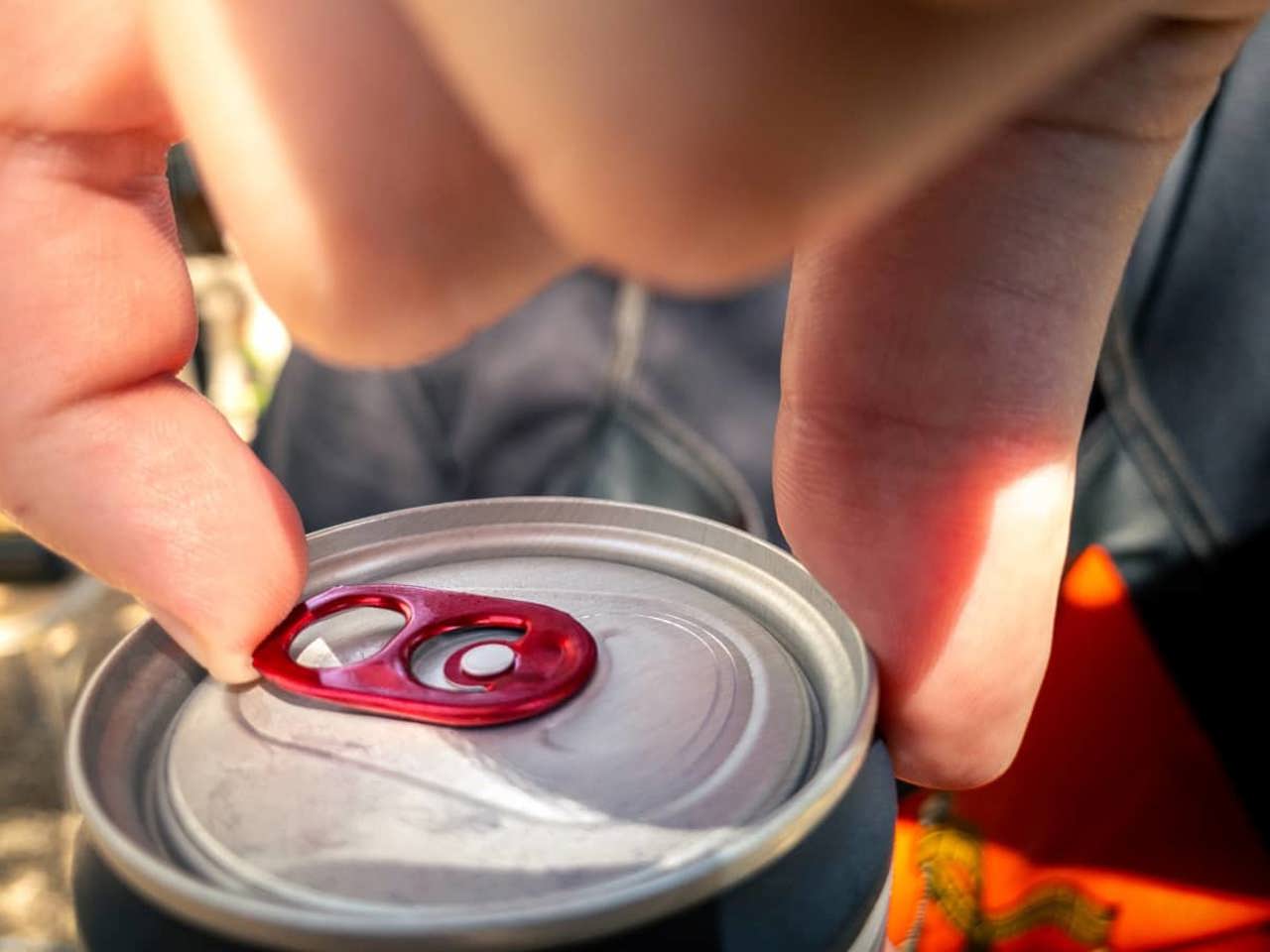
Energy drinks have become increasingly popular with teenagers and young adults. They are often seen as a quick fix for tiredness and a way to boost focus.
They contain stimulants like caffeine, theobromine, or guarana extract, which affect the nervous system. While they provide a short-term energy boost, frequent or excessive consumption can be harmful to one's health.
Energy drinks might seem like a quick fix, but they can put a long-term strain on the heart and nerves. Experts suggest replacing these drinks with natural alternatives: a serving of fruit, a good night's sleep, and exercise.
People often drink energy drinks in the hope of maintaining their energy levels. However, the caffeine and other compounds in these beverages overstimulate the nervous and cardiovascular systems. This can lead to agitation, insomnia, and an increase in blood pressure, as Sergiu Munteanu, a nutritionist, told Radio Moldova.
“The main component of energy drinks is caffeine. They also contain theobromine and guarana extract—substances that increase heart rate, raise blood pressure, slightly dehydrate the body, and overexcite the central and peripheral nervous systems. This can lead to insomnia and various other problems. On top of that, to provide more energy, energy drinks contain a lot of added sugar, which has a very high caloric load. The worst part is that it’s absorbed very quickly, entering our bloodstream and raising blood sugar levels rapidly,” Sergiu Munteanu stated during the show "Zi de Zi" (Day by Day) on Radio Moldova.
It's not only the sugar that makes energy drinks dangerous, but also the caffeine content. The body needs a limit to avoid overworking the heart and nervous system, the nutritionist explained.
“The recommended daily dose of caffeine is 400 milligrams per day, which is equivalent to about three cups of coffee. For adolescents and pregnant women, this dose drops to 100 milligrams per day. When we look at the labels on energy drinks, we shouldn't just focus on the caffeine concentration. While producers are required to limit the caffeine concentration, they can add guarana extract, which is essentially the same as caffeine. When you combine the caffeine and all these extracts, a 0.33-liter can of an energy drink can contain 150-200 milligrams of caffeine, which is much more than the recommended amount for adolescents,” explained Sergiu Munteanu.
At first glance, energy drinks seem like a good solution for tiredness, but when consumed daily, they can become extremely harmful. The greatest danger arises when young people get used to them and can no longer quit.
“For adults, they don't pose a significant risk if consumed occasionally. In fact, energy drinks were originally invented for long-haul drivers who get tired. But regular consumption, especially of the low-alcohol or regular energy drinks, is strictly forbidden, especially for adolescents, because they cause addiction. Teenagers are looking for that ‘drive’—the feeling of the caffeine working. If there's a little alcohol, they get used to that feeling and want to maintain it. But the more they use them, the more the body gets accustomed to the caffeine dose. That's why they increase the dose,” the nutritionist warned.
Experts stress that energy can be obtained from natural sources. Fruits, especially bananas, provide natural and fast-acting sugar for the body. Restful sleep and physical exercise provide energy and help more than an energy drink.
Translation by Iurie Tataru