Moldova elections: Polling stations open in Transnistria security zone
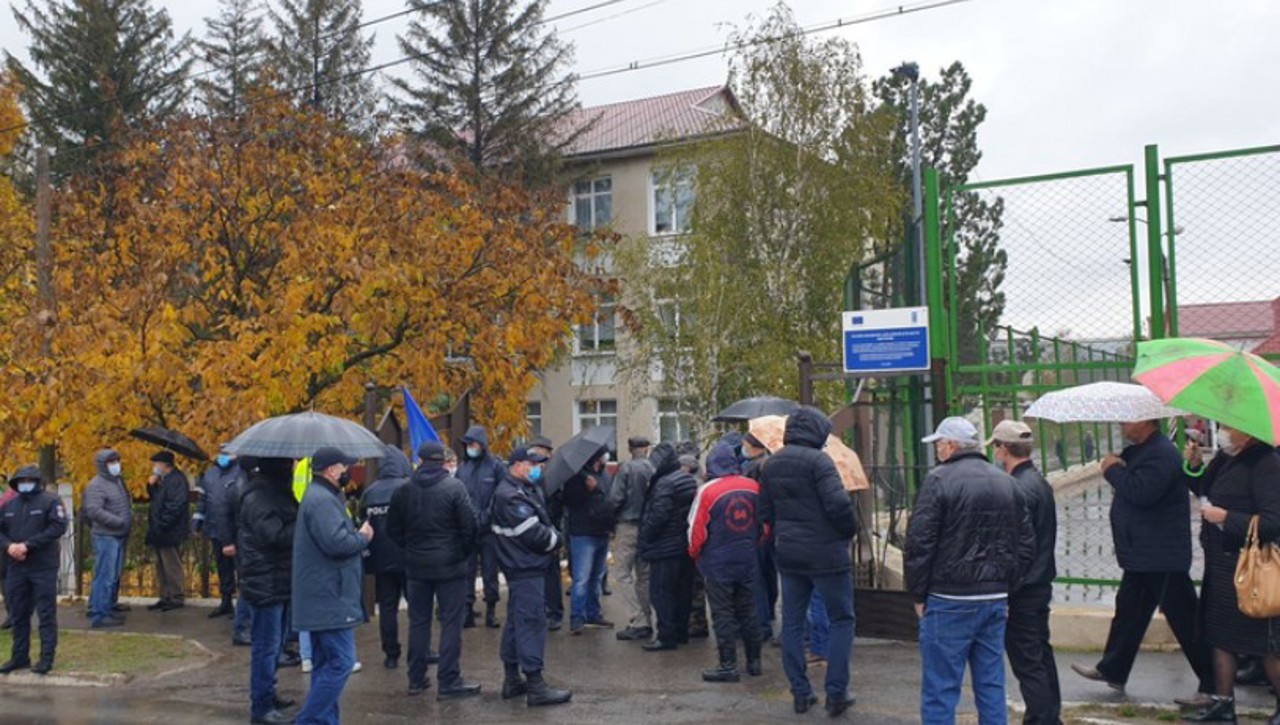
Moldova is seeking support from the co-chairs of the Joint Control Commission (JCC), as well as representatives from Ukraine and the OSCE Mission, to ensure a free election on September 28 in localities within the security zone.
The Moldovan delegation has informed the Commission that polling stations will be set up for Moldovan citizens in the Security Zone, where the constitutional authorities have control. This will include voters from the breakaway region of Transnistria. The delegation has called for the prevention of any situations that could affect citizens' freedom to participate or the proper conduct of the electoral process.
At a recent JCC meeting in Bender (Tighina), Chișinău officials also stressed the need to avoid any impediments to the movement of voters, election officials, and police at checkpoints within the Security Zone. They announced that on election day, public order at polling stations will be handled by the territorial divisions of the General Police Inspectorate.
In total, 2,274 polling stations will be opened for the September 28 parliamentary elections across Moldova and abroad. Of these, 1,961 will be in electoral districts within the country, 12 will be for voters on the left bank of the Dniester River, and 301 will be for citizens in the diaspora.
The Central Election Commission (CEC) has decided to open more stations for residents on the left bank of the Dniester, including those living in the municipality of Bender (Tighina) and the villages of Chițcani, Cremenciug, and Gâsca in the Căușeni district. These areas are provisionally outside the sovereign control of Moldova's constitutional authorities. The CEC’s decision is higher than the number recommended by security structures, which cited "risks to security, public order, and destabilisation, including on election day."
For example, the General Police Inspectorate, based on its own analysis, proposed nine stations for voters from the left bank of the Dniester, while the Information and Security Service (SIS) proposed only eight. The SIS is the agency responsible for preventing "special dangers" to state security.
However, the CEC based its decision on data from the State Register of Voters, as well as the participation dynamics of voters from the left bank of the Dniester in the last three elections.
Translation by Iurie Tataru