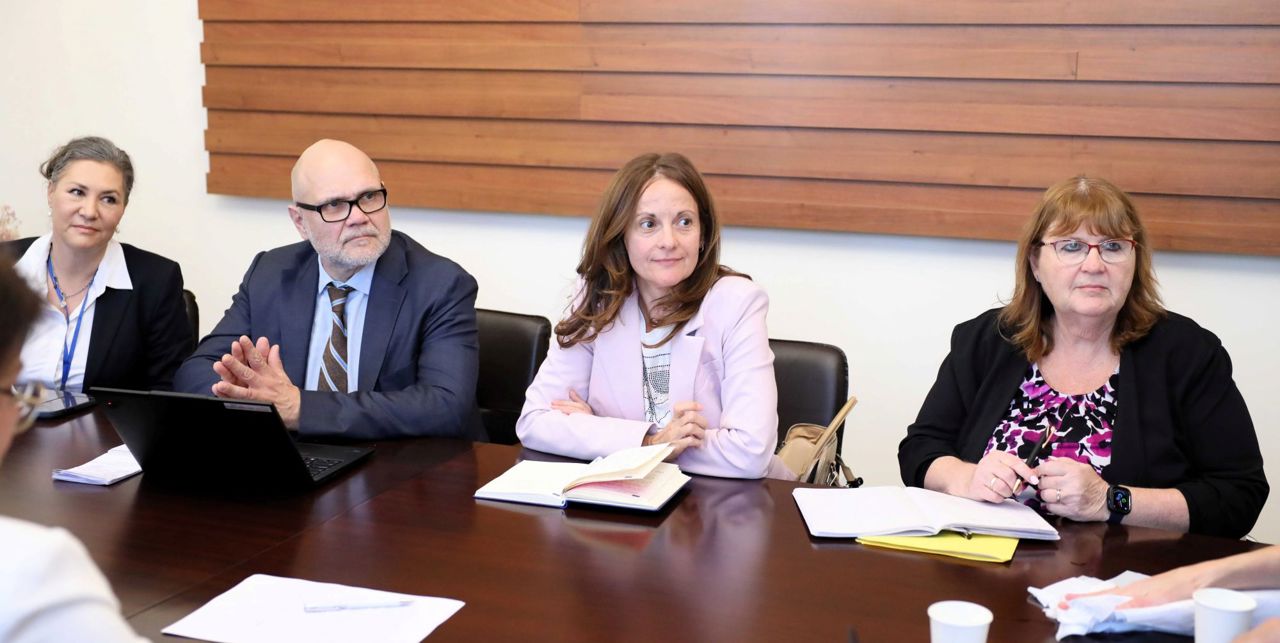
Moldova completes key EU agriculture screening as part of accession bid
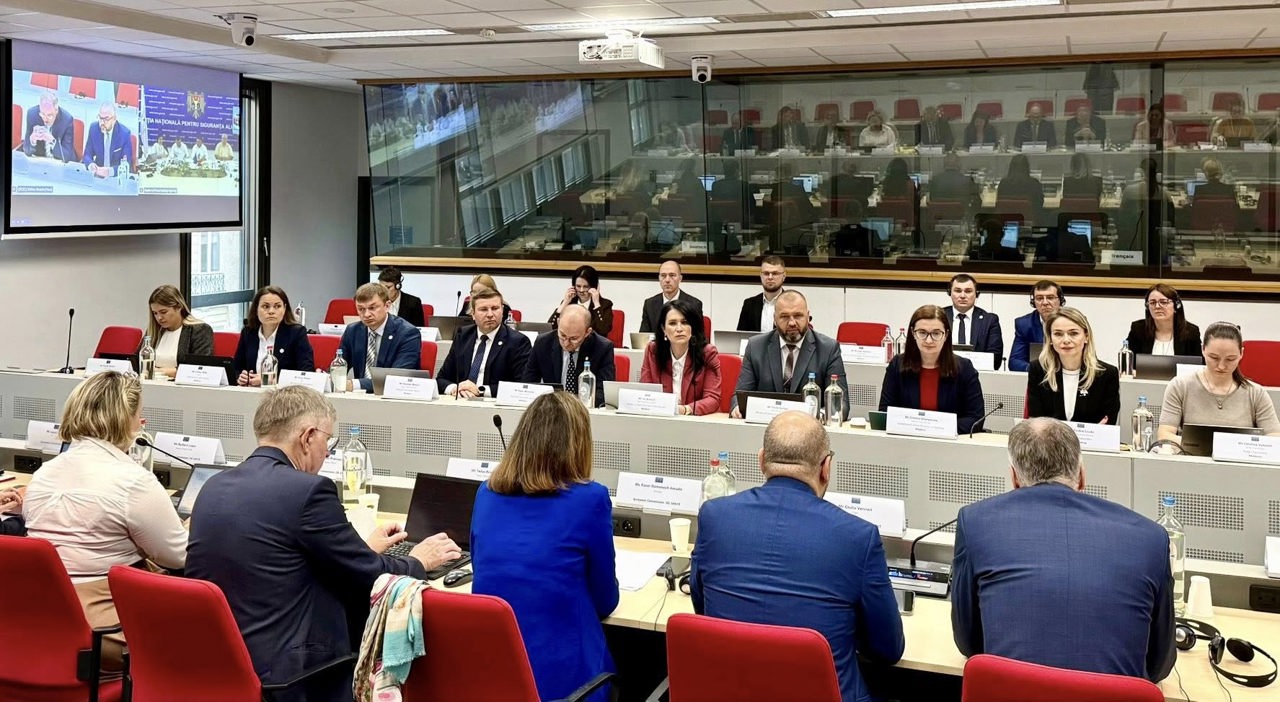
The Republic of Moldova has completed the screening process for Chapter 12, focusing on agriculture, food safety, and sanitary and phytosanitary policy.
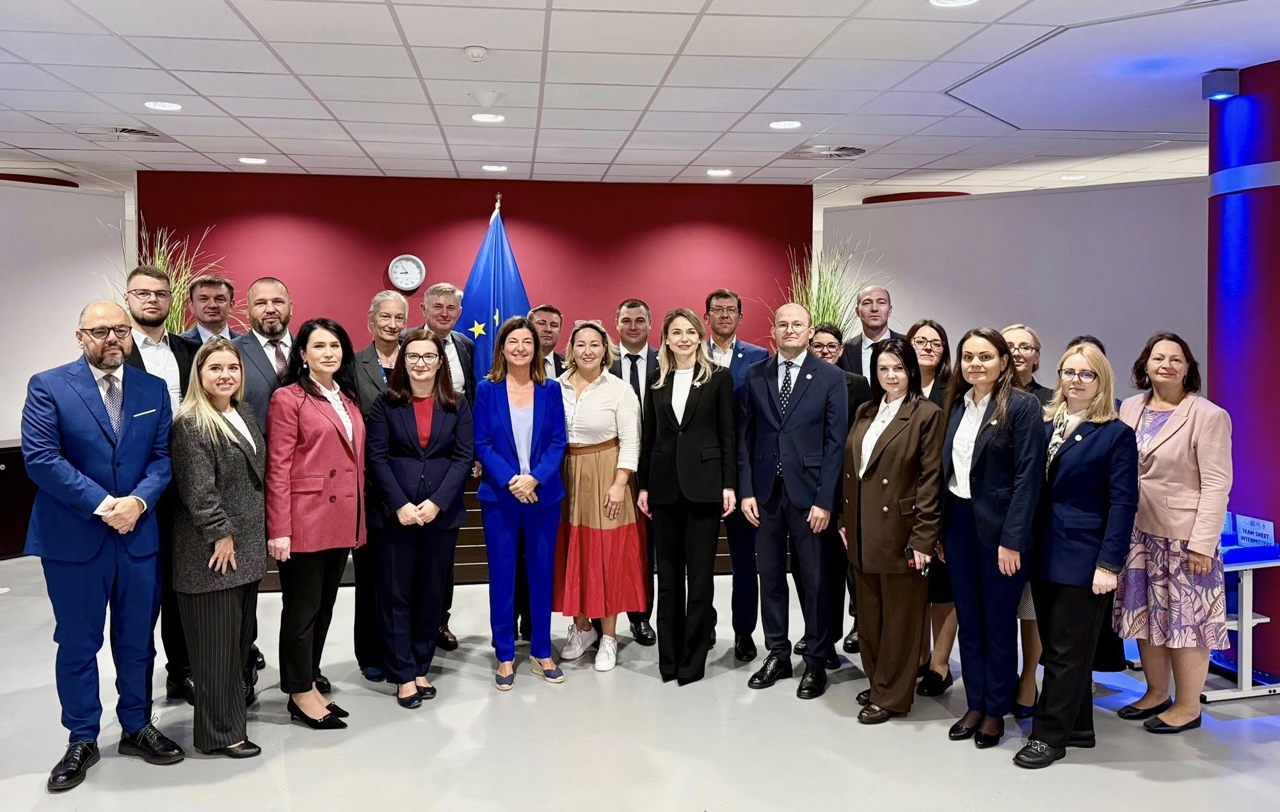
The five-day process concluded in Brussels, where officials presented the country's progress to European Commission experts. They also detailed the difficulties it faces in aligning with the EU's body of common rights and obligations. In return, they received several recommendations.
Working group participants stated that the chapter is one of the most complex, not just for Moldova but for the European Union as well, as legislation in this field is constantly evolving.
Vasile Șarban, a state secretary at the Ministry of Agriculture and Food Industry, said Moldova is largely aligned from a legislative standpoint with European standards in agriculture and food safety. However, he added that the country still has a lot of work to do to catch up on decades-long gaps in science, research, and the technologies needed for quality control.
"We are already experiencing the benefits of aligning with European legislation today," said Deputy Prime Minister for European Integration, Cristina Gherasimov, in a statement to Teleradio-Moldova. She explained that a Deep and Comprehensive Free Trade Agreement (DCFTA) allows Moldova to export certain quotas of food products to the EU without paying additional taxes. "Once Moldova becomes an EU member state, there will be virtually no more import-export taxes on our food products. So, the costs at customs will disappear."
Radu Musteață, Director General of the National Food Safety Agency (ANSA), said that implementing EU standards will bring safer and higher-quality products to the Moldovan market. "Our producers have aligned with European requirements, and these standards primarily benefit consumers as they are stricter," he noted. "The actions of ANSA in recent years also show that more non-compliances have been detected, and the authority has put more effort into strengthening control."
Ina Butucel, the deputy secretary general at the Ministry of Agriculture and Food Industry, said the most frequent recommendations from European officials concern increasing the capacity of the National Food Safety Agency, as it is a key institution in implementing the EU acquis.
"We were advised to be more active and involved in the working and expert groups that the European Commission has on its platform," she said. "This is so that officials from Moldova have continuous access to the knowledge, information, and exchange of opinions that take place within these groups."
Aurelia Cucu, a representative of the "Agro Vector" Association of Producers and Importers of Animal-Origin Products, who was present as an observer, described the experience as valuable for Moldova's civil society organisations. "We had the opportunity to see how the relevant ministries work; their presentation was excellent. It's important for us to know what the European Union's requirements are regarding the standards, legislation, and alignments that we are to implement," she said.
To meet the requirements of agriculture, food safety, and sanitary and phytosanitary policies, Moldova will need to implement more than 1,500 specific legal acts from EU legislation.
Translation by Iurie Tataru