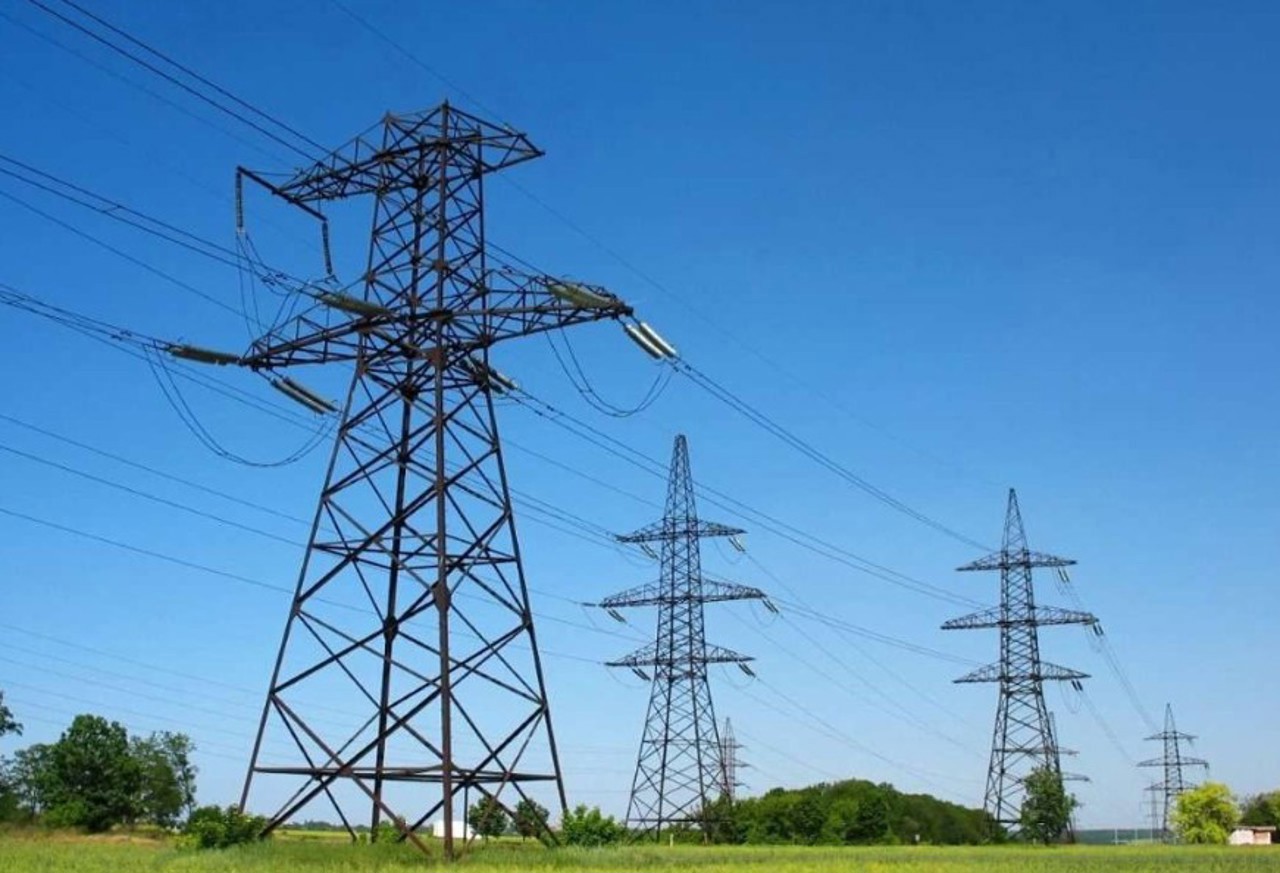
Moldova's plan to tackle energy waste in old buildings
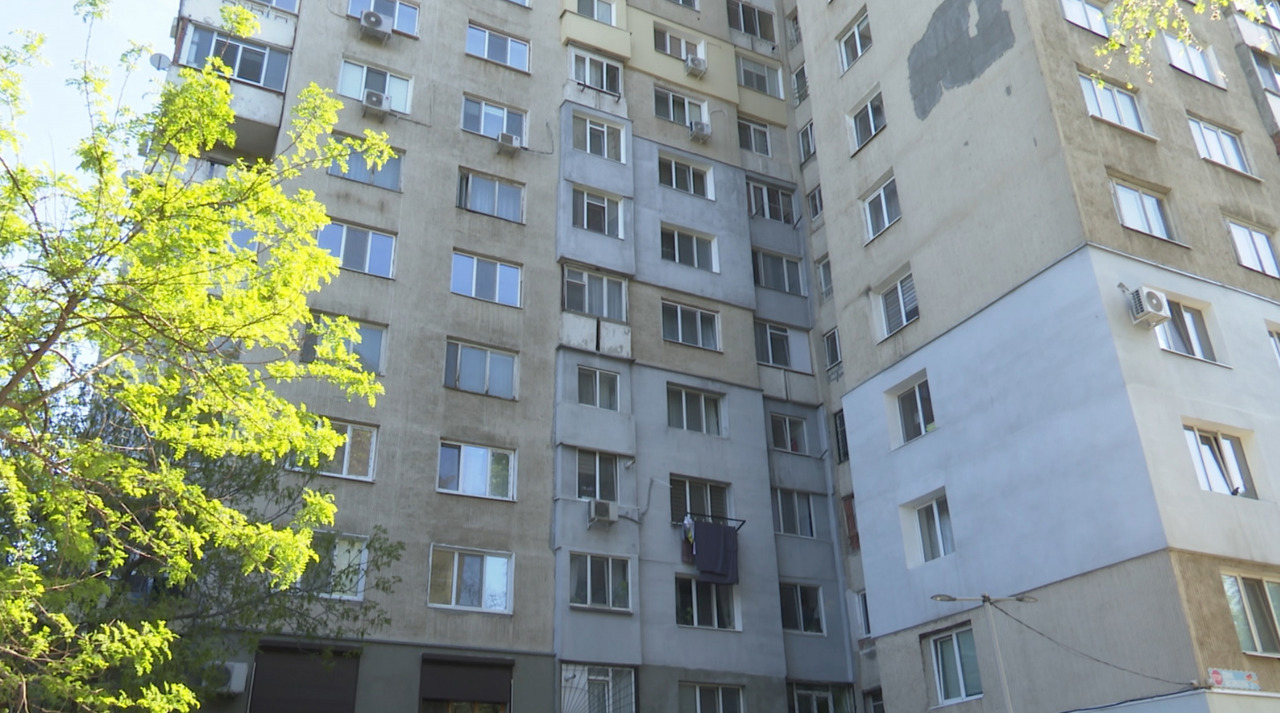
Buildings in the Republic of Moldova account for more than half of the country's total energy consumption, significantly outstripping other sectors such as transport and industry.
To gradually reduce this consumption, the government plans to implement a long-term strategy for renovating the building stock by 2050. The draft of the strategy is on the agenda for the cabinet's meeting on Wednesday, 17 September.
According to officials, the strategy sets out actions to achieve new energy savings of at least 0.8% of average consumption. The Ministry of Energy estimates that 1.35% of the total building stock—1.4 million square metres—must be renovated each year, with a minimum of 60% in energy savings, to meet this target.
While numerous projects have been implemented recently to increase energy efficiency in public and residential buildings, their impact remains limited when compared to the size of the national building stock. Most buildings in the Republic of Moldova were built during the Soviet era, between 1960 and 1990, or even earlier, at a time when energy efficiency was not a priority. Many residential buildings, schools, hospitals and administrative buildings are more than 40 years old and have poor thermal insulation.
Energy audits have shown that energy losses can often reach 50-60%, putting pressure on both the national energy system and households. To achieve the projected energy savings, the strategy provides for deep renovation measures, shifting from isolated actions to integrated energy efficiency programmes.
The strategy's potential funding sources total 4.3 billion euros. The majority of this—3.8 billion euros—is for residential buildings. These sources include a mix of state budget funding, external loans and grants, and, for the most part, private investments.
By implementing the strategy, authorities aim to achieve annual primary energy savings of 4.5% by 2030 and 40.8% in 20 years. CO2 emissions will be reduced by 2.5 million tons.
Translation by Iurie Tataru