Moldova completes Brussels screening for Chapter 22, key to regional development and EU funds
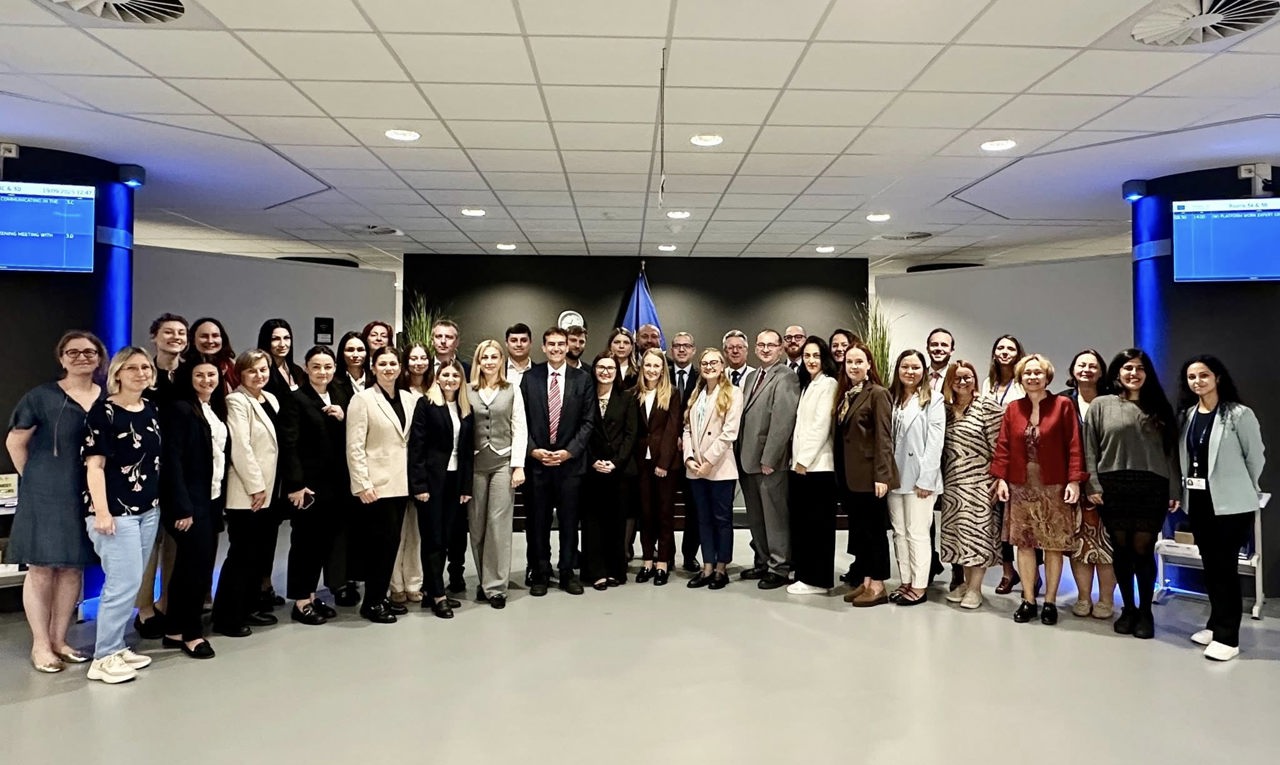
The screening process for Chapter 22, which focuses on regional policy and the coordination of structural instruments, concluded on Friday, September 19, in Brussels. This marks a significant moment in the European journey of the Republic of Moldova. By aligning its national legislation with European standards, the Republic of Moldova will be better equipped to establish the necessary framework to access European funds aimed at reducing regional disparities, promoting local economic development, and enhancing social cohesion.
During the two days of intense discussions with representatives of the European Commission, Moldovan officials presented the current state of the national regional and local development system, as well as the progress made in aligning with EU standards.
According to Corneliu Cirimpei, State Secretary of the Ministry of Infrastructure and Regional Development, the Republic of Moldova has made progress in implementing the requirements of Chapter 22, but it must accelerate its preparations to effectively manage European funds after accession.
“Chapter 22 offers real opportunities for cooperation between regions and support for the least developed. We have reached this important stage, in which the EU is open to supporting the Republic of Moldova. Now we are going to receive the European recommendations and prepare for their implementation, for the benefit of citizens from all regions of the country,” Cirimpei told Teleradio-Moldova.
He stressed that one of the urgent priorities is to reform the National Fund for Regional and Local Development, so that it can efficiently absorb European funds.
At the same time, emphasis is placed on training local authorities and the five regional development agencies to develop eligible projects that comply with EU standards.
Control mechanisms for spending European money, a key criterion for alignment with the acquis communautaire
Emilia Cebotari, Head of the Directorate for Coordination of External Assistance and European Funds of the State Chancellery, noted that the discussions focused on the Republic of Moldova's capacity to plan, implement and monitor interventions at regional and local levels, in partnership with all stakeholders – from central and local authorities, to civil society and the private sector.
*"A major emphasis was placed on ensuring an active partnership at all stages – from programming to evaluation – and on the efficient use of public, national and external funds. We have demonstrated progress, including in terms of the anti-fraud system and resource control mechanisms," explained Cebotari.
She also mentioned that initiatives such as the "European Village" and other local investment programs have been appreciated by the European Commission for their efficiency and direct impact on communities.
Preparations for receiving post-accession funds
According to Ghenadie Marian, Head of the Office for European Integration, the European Commission has provided a series of technical and strategic recommendations to strengthen the institutional and regulatory framework, especially regarding project co-financing and preparation for the exponential increase in post-accession funds.
*“We were given the example of Croatia, where the funds managed increased 20-fold immediately after accession. It is vital to prepare the public administration for this wave of resources,” Marian pointed out.
He also stressed the importance of retaining qualified staff in institutions that will have key roles in implementing cohesion policies.
The screening for Chapter 22 is part of the process of assessing the Republic of Moldova's readiness for European Union accession. It aims at harmonizing national legislation with the acquis communautaire and the institutional capacity to implement European policies in the field of regional development.
Moldova has already received 270 million euros from the EU through the Growth Plan, with a significant portion of this funding allocated to regional and local development. The pace and quality of reforms will directly influence future allocations, several European officials said.