One-million-year-old skull discovery in China rewrites human history timeline
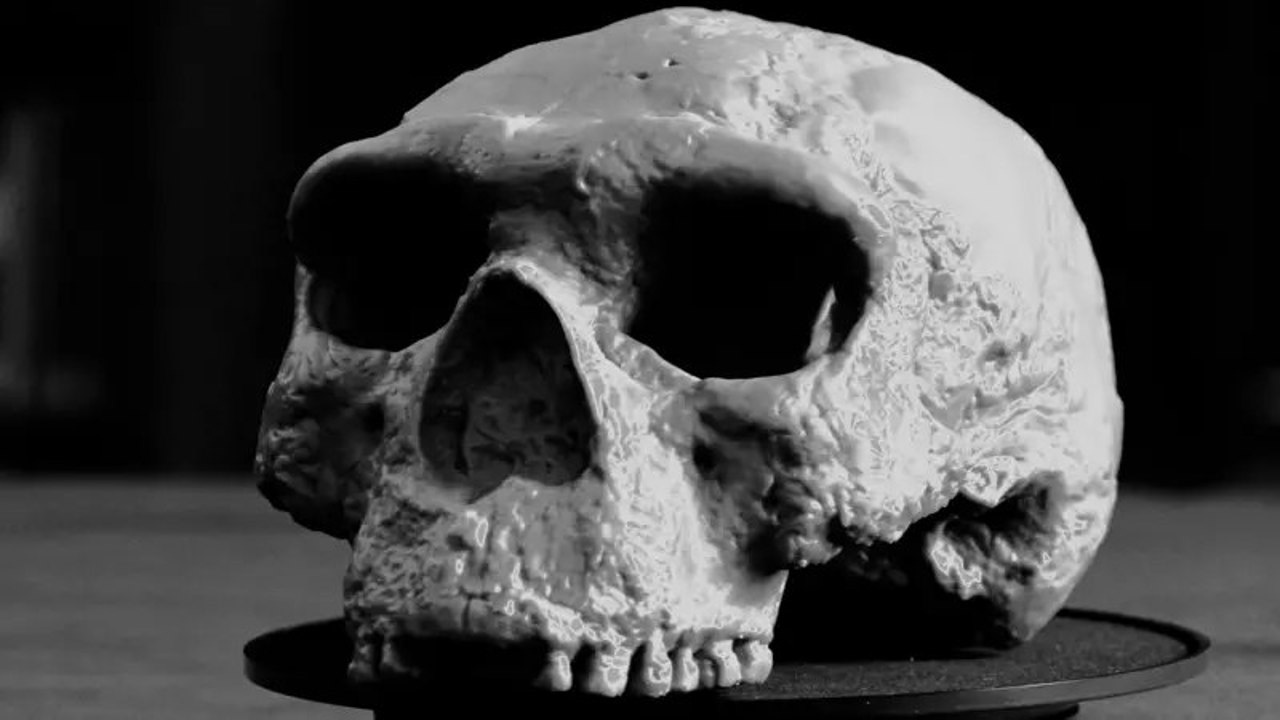
A one-million-year-old human skull found in China suggests our species, Homo sapiens, may have evolved up to half a million years earlier than previously thought, a new study suggests.
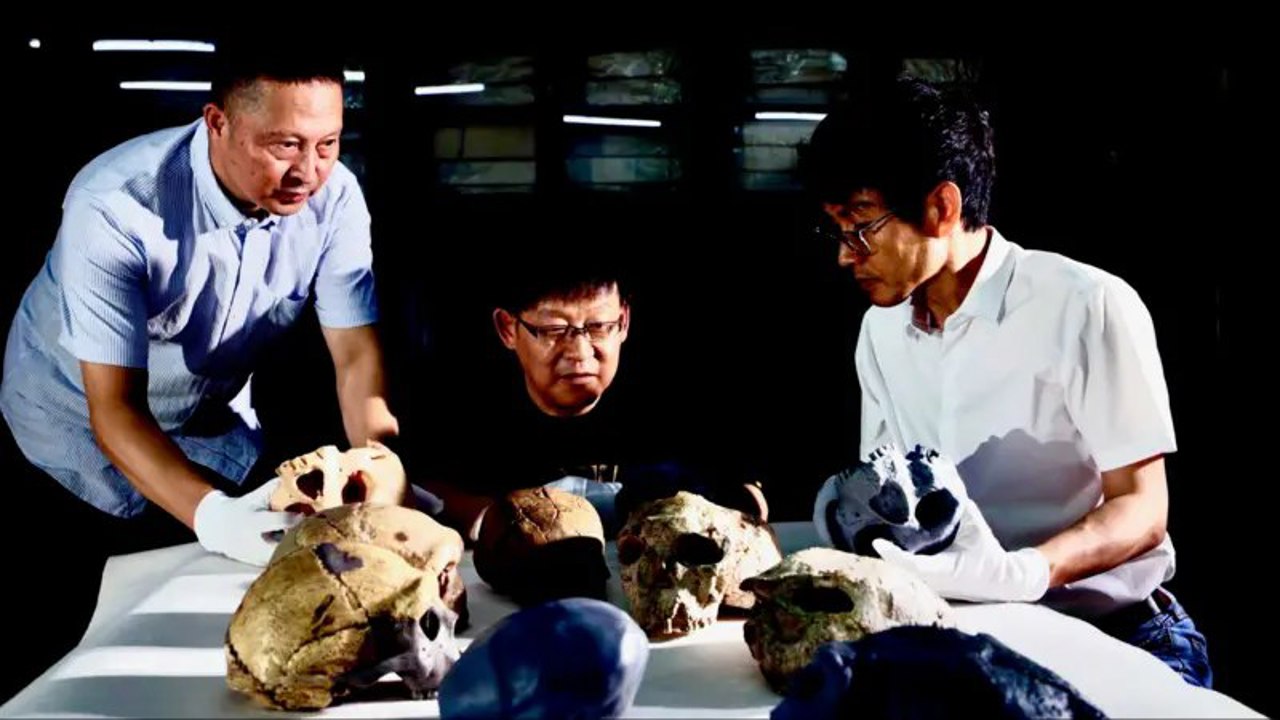
The findings are not universally accepted, however, and have been reported by the BBC Russian service.
The discovery also suggests humans co-existed with other related species, including Neanderthals, for a much longer period than previously thought. Researchers say their analysis "completely changes" our understanding of human evolution, and if correct, it would rewrite an essential part of our early history.
Other experts, however, note that in a field where disputes over human origins are commonplace, the new conclusions are plausible but not definitive.
The discovery, published in the prestigious journal Science, surprised the international team of Chinese and British researchers. "From the very beginning, when we obtained the result, it seemed incredible. How could it be that old?" said Prof Xijun Ni of Fudan University, one of the study's lead researchers. "We checked everything again and again, tested all the models, used all the methods, and now we are sure of the results. We are extremely excited," he added.
The skull, known as Yunxian 2, was initially attributed to Homo erectus—the first large-brained humans—as its one million year age suggested a time when the emergence of more advanced forms of the genus Homo still seemed distant.
Homo erectus later evolved, and around 600,000 years ago, branched into distinct lines, including Neanderthals and our species, Homo sapiens.
The new study, peer-reviewed by independent experts, shows, however, that Yunxian 2 does not belong to Homo erectus. Researchers now believe it could be an early form of Homo longi, closely related to both Neanderthals and modern humans.
Genetic analysis suggests that this species coexisted with the others, and if Yunxian 2 lived a million years ago, it is possible that early forms of Neanderthals and modern humans may have already existed.
Prof Chris Stringer, from the Natural History Museum in London and a co-author of the study, says this discovery pushes back the timeline for large-brained human evolution by at least half a million years.
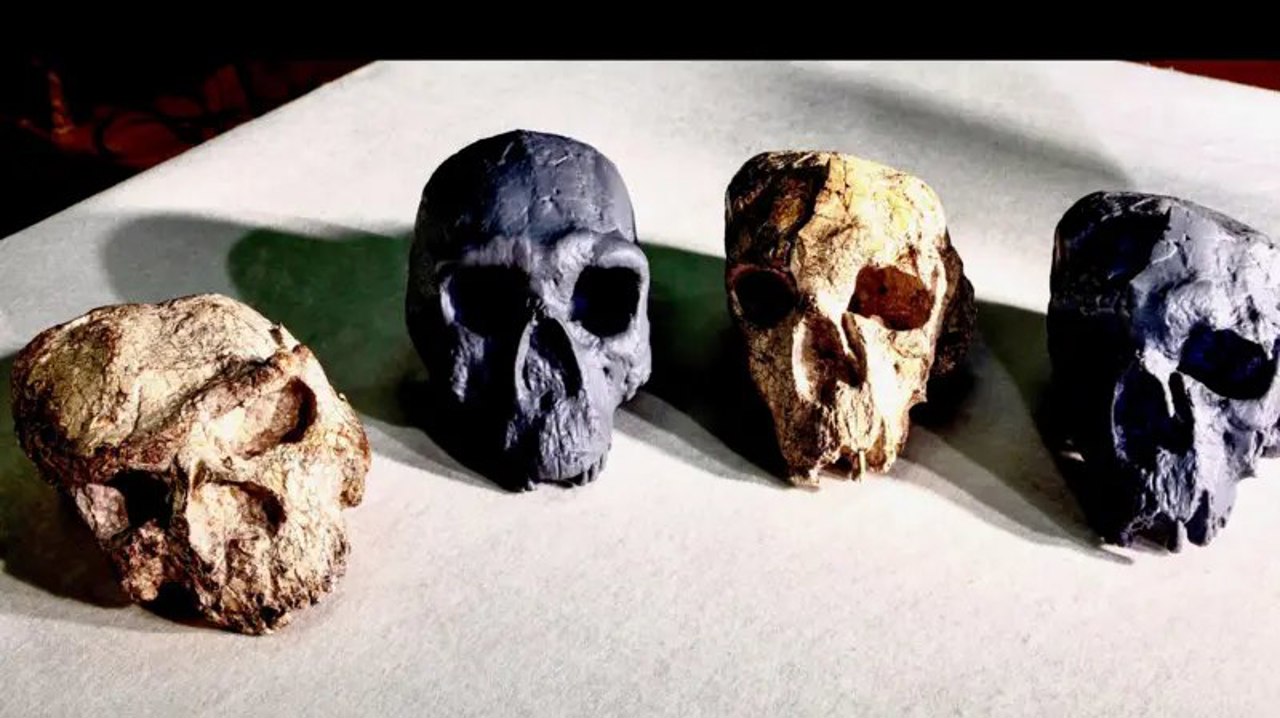
Prof Stringer added that "there are probably one-million-year-old Homo sapiens fossils somewhere on Earth—we just haven't found them yet."
Translation by Iurie Tataru