Moldova targets EU accession by 2028: Transnistria a hurdle
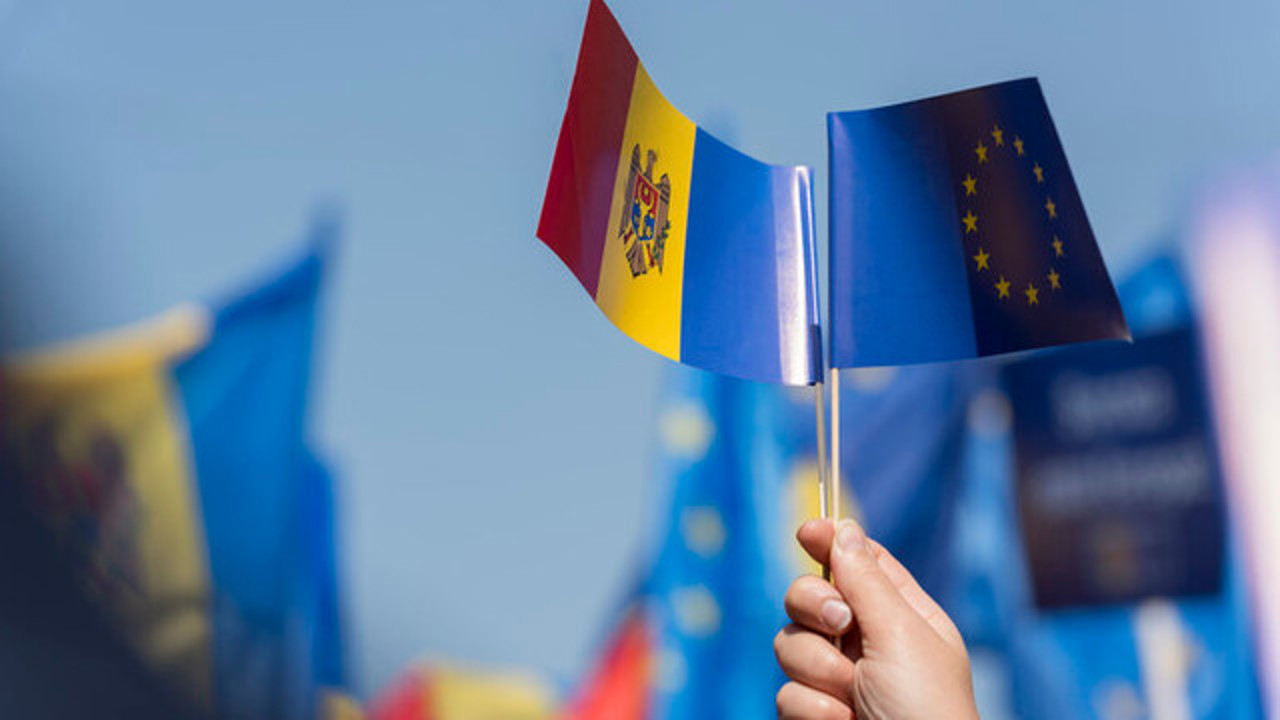
Moldova's Deputy Prime Minister for European Integration, Cristina Gherasimov, told Radio Moldova's "Noi și Europa" ("Us and Europe") programme that the country had successfully completed the bilateral screening process within its European Union accession negotiations, giving it a realistic target of signing the accession treaty by 2028.
She said that maintaining the pace of reforms and responsibly handling the Transnistria issue would be decisive.
"It was essential to maintain the continuity and momentum of the reforms. The bilateral screening timeline was accelerated by several months, and we finished it successfully, which gives us confidence that the timeframe we've set for the country's preparation is ambitious, but realistic," Ms Gherasimov said.
She added that the decisive factor would be the country’s constant effort in the coming years. "Many thought we wouldn't succeed, but we demonstrated that we can when we work united and mobilized. It is important to maintain this level of commitment."
Ms Gherasimov also stressed that the country's reintegration is essential for Moldova's EU accession. Commenting on the statements of former European Commission President, José Manuel Barroso, who warned that the breakaway Transnistria region remains Moldova's main vulnerability. Ms Gherasimov countered that the Transnistrian dispute would not halt the country's EU accession.
"It is in our national interest to join the European Union as a unified state, with the Transnistrian conflict resolved," she declared. She also explained that the EU is open to hearing Moldova's vision regarding plans for reintegrating the two banks of the Dniester and that the authorities in Chișinău can propose concrete solutions.
The Deputy Prime Minister also spoke about the role of the economic factor in bringing the banks closer together. Exports from the Transnistrian region to the EU, which sometimes reach over 80% of total exports, demonstrate the region's economic interest in the European market, which is characterized by stability, predictability, and reliable profits.
"These figures show that the region's economic interest is already aligned with the European single market. Why? Because it offers stability, predictability, and profits you can count on. This is the number one appeal of the European market: the fact that you can plan and structure the budget of your family, company, or region with increased predictability and foresight."
While he believes Moldova’s path to EU accession is easier after the parliamentary election results, the former European Commission president says the major vulnerability remains the Transnistria region. When asked if EU integration without this part of the country is possible, Barroso cited the example of Cyprus.
Translation by Iurie Tataru