Cash crisis: Why EU states want you to keep emergency money
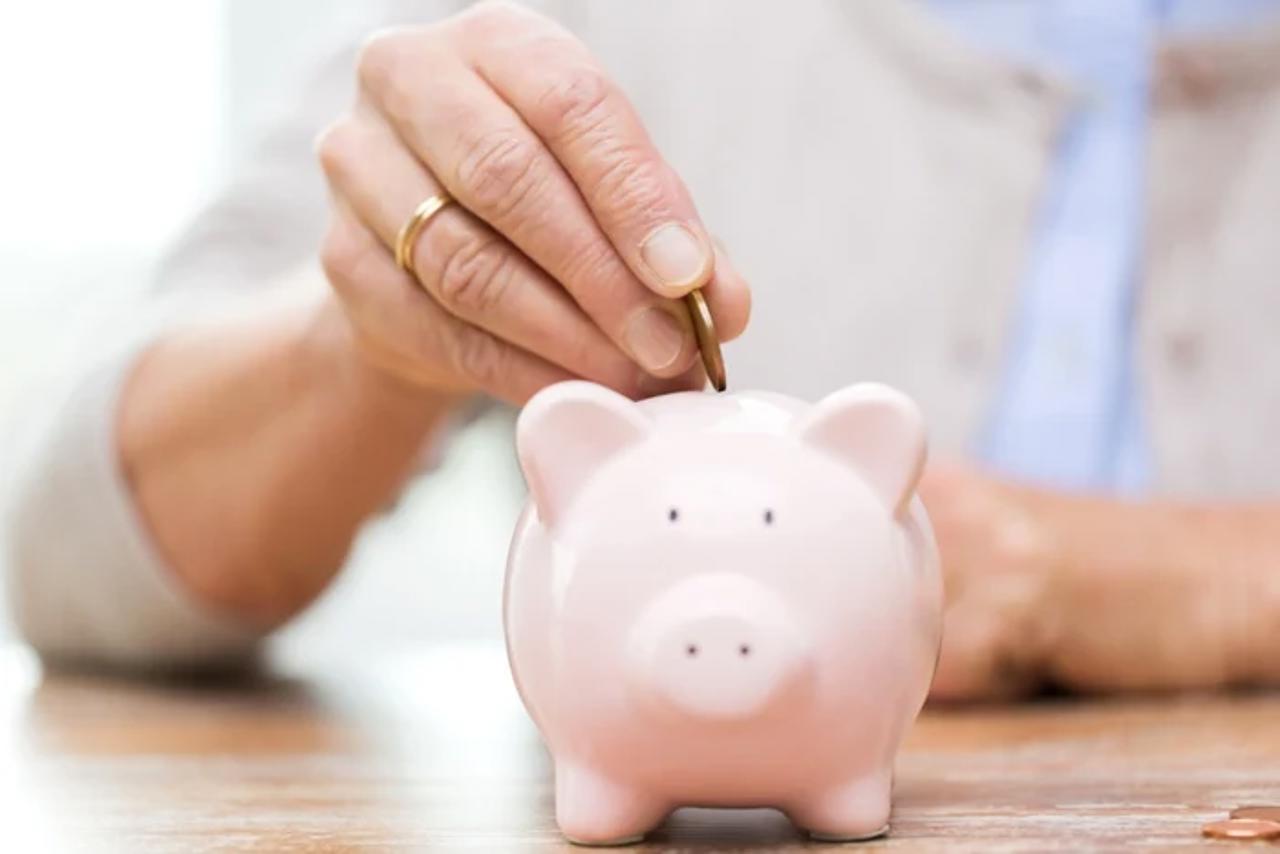
European states are increasingly urging citizens to keep a small cash reserve at home, using small-denomination notes, sufficient for at least 72 hours.
This is designed to ensure that, in the event of power outages or technical failures blocking electronic payments, people can cover their essential expenses for a few days. The advice could also be useful in the former Soviet state of Moldova. Economic expert Marin Gospodarenco explains that, under local conditions, these reserves must be tailored to daily income and expenses in the national currency, the Moldovan leu (lei).
Citizens of Moldova should manage their savings in a balanced way, combining lei for current expenses, foreign currency for long-term plans, and a small cash reserve for emergencies, Marin Gospodarenco noted. According to the expert, the leu remains the safest currency for daily and short-term savings, as it avoids the risk of exchange rates and conversion fees. For major investments, studies, or plans to emigrate, diversification into euros and dollars is recommended.
"The ideal is a balance: lei for the present and foreign currency for the future. You shouldn't put all your eggs in one currency basket, but you also shouldn't completely sever the link with the currency you receive your income in," Gospodarenco explained.
The expert also highlighted where cash should be kept. The bank remains the safest option, due to deposit guarantees, interest rates, and easy access via cards and transfers. Cash, on the other hand, has a limited role, being useful only as a 'spare tyre' in case of technical crises or power outages. Regarding saving discipline, Mr Gospodarenco recommends that every person should set aside at least 10% of their net salary, immediately after getting paid.
"We are not talking about large sums, but enough cash for food, transport, medicine, and a few urgent payments. The important thing is that it is a constant habit, not an occasional action. The first goal must be to create an emergency fund – three months of expenses for those with stable employment and six months for freelancers or families with children. The emergency fund is like a financial airbag, designed to protect you in case of job loss, illness, or unexpected expenses," the expert concluded.
Many Moldovans admit they have managed to save less money in recent years, though they recognise savings are vital in risky situations.
"Not really. Our work schedule was erratic, meaning financial resources were also more limited, with work being intermittent," one resident said.
"I managed to put something aside. Not much, but it still added up," another commented.
"– It was complicated, yes, because we had to stay home. Who was going to work, then?" people said.
The European Central Bank published a report recommending that citizens keep cash in their homes to be able to cope with crisis situations. Recent experiences, including the Covid-19 pandemic, Russia's invasion of Ukraine, and major power outages, have shown that when digital payments fail, physical cash remains indispensable. According to the document, cash has not only a practical but also a psychological value, as it is considered a 'spare tire' for the payment system.
Translation by Iurie Tataru