Breast Cancer in Moldova: The risk factors and screening advice from a specialist
Breast Cancer Awareness Month (Pink October) is underway globally, focusing attention on prevention, early detection, and access to quality care.
The campaign, which runs from 1 to 31 October, reinforces a key message: early diagnosis saves lives, as detecting breast cancer in its initial stages significantly increases the chances of recovery.
In the Republic of Moldova, breast cancer is the most common form of the disease diagnosed in women. It accounts for about 16% of annual oncological cases.
Oncologist Dr. Elena Gorincioi, speaking on Radio Moldova’s Zi de Zi show, said the condition is increasingly affecting younger women and urged the public to undergo the necessary medical tests.
The country registered 1,214 new cases in 2024, mostly in women aged between 55 and 74. Regarding mortality, breast cancer is the third-leading cause of death from malignant tumours.
Dr. Gorincioi noted that public health campaigns are ongoing to boost prevention rates within the national healthcare system.
Risk factors and recommendations
Dr. Gorincioi outlined three main 'levels' or systems that impact hormonal and immunological dysregulation, which she identifies as risk factors for mastopathy or breast cancer:
The thyroid gland: Though small, its impact on every organ is vital.
The liver, gallbladder, and pancreas: The liver is highlighted as a concern because it lacks pain receptors, meaning disorders often progress asymptomatically. Constant monitoring is essential if liver disorders are present in the patient's medical history (anamnesis).
The gynecological system
Other factors include trauma to the breast tissues, with intracutaneous haemorrhage or purulence (infection). Women with Type II diabetes are also at a higher risk. The hereditary factor remains crucial.
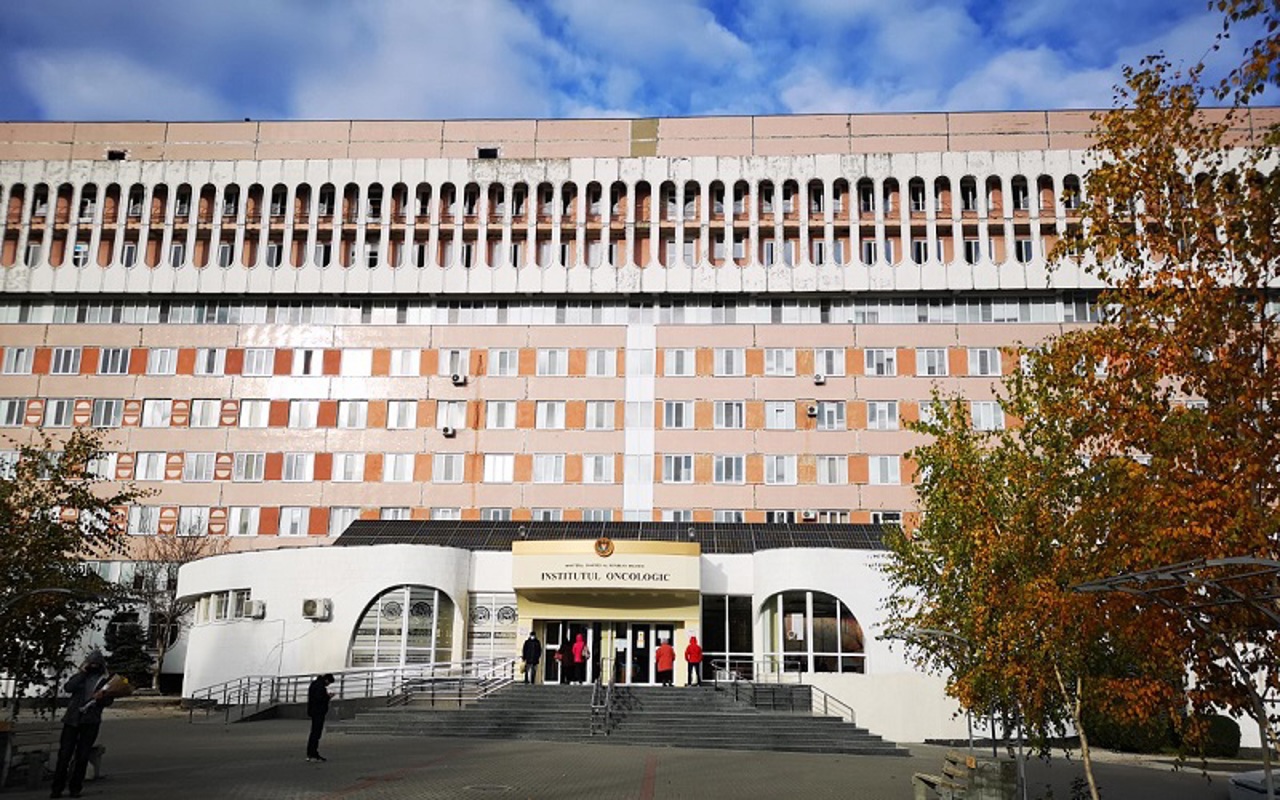
“Girls whose mothers or grandmothers have had breast cancer must be more vigilant and see a breast specialist from a young age,” Dr. Gorincioi recommended. The youngest patient diagnosed at the Oncological Institute in Chișinău was 14. “Cancer is unfortunately affecting younger people. Prevention is what we can do,” she added.
Recommended screenings
In addition to monthly self-examinations, Dr. Gorincioi advises instrumental screenings—mammography and ultrasound—are needed to detect non-palpable nodules.
She recommended: “My advice is for every woman, starting as young as 18–20, to have an annual breast ultrasound. From the age of 36, mammography can be performed.”
The national program in Moldova provides for mammography starting at age 40. If initial screenings are clear, mammography should be repeated every 2–3 years, and the ultrasound should be annual.
Breast cancer involves the uncontrolled growth of cells in the breast gland, leading to tumour formation. The World Health Organization (WHO) reports that 2.3 million women globally are diagnosed with breast cancer annually, with approximately 670,000 deaths registered.
Translation by Iurie Tataru