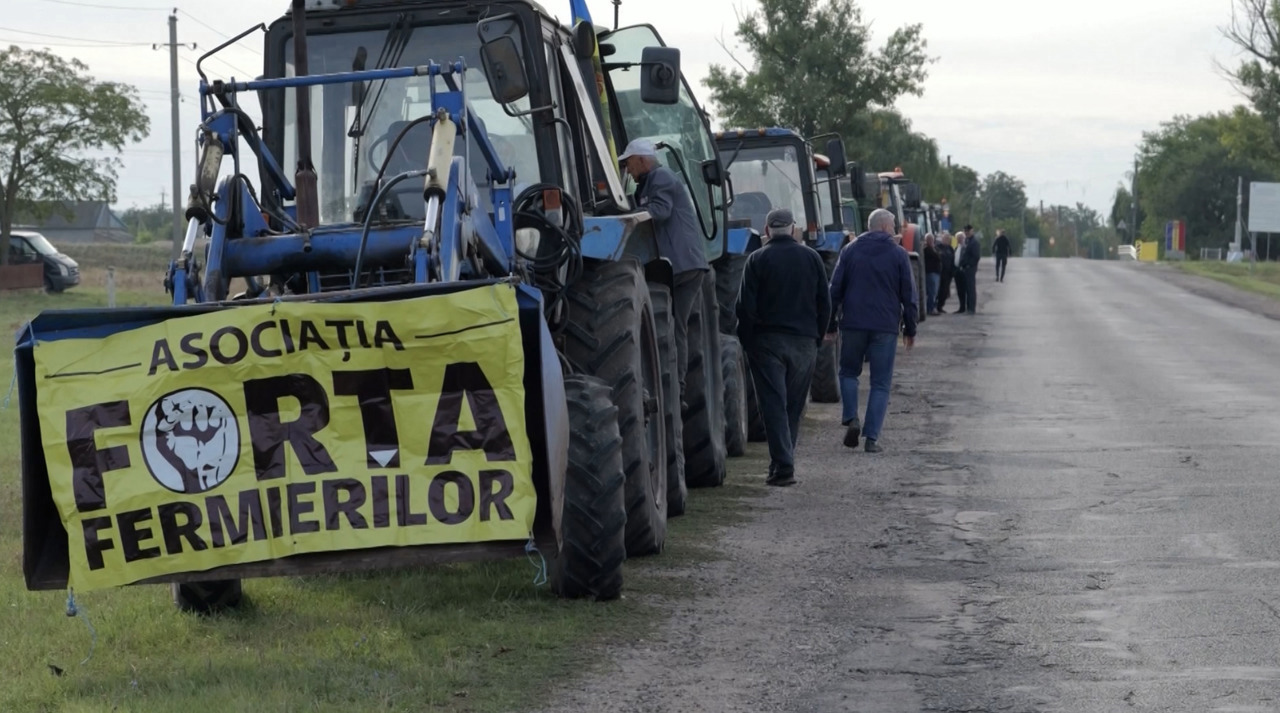
Moldova’s first agricultural university extension to open in Sireți
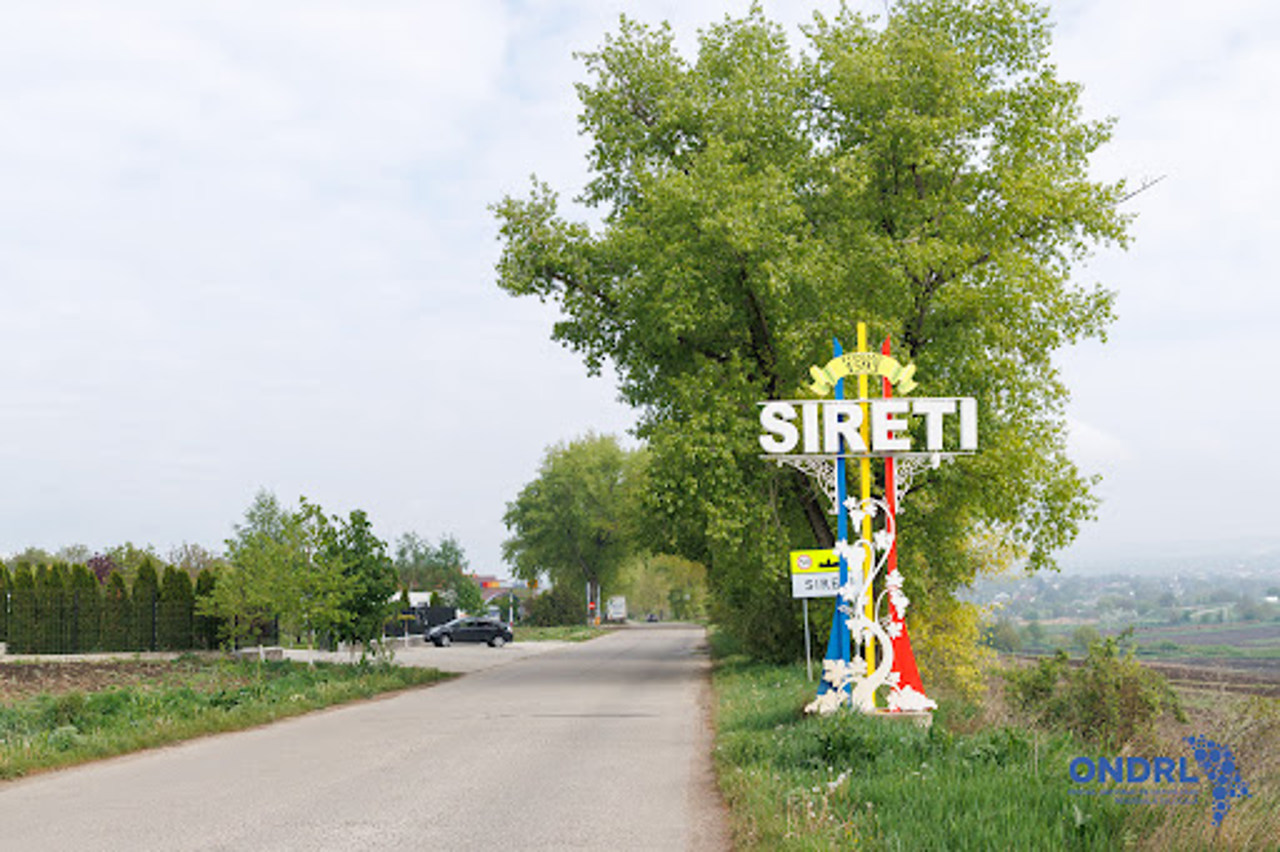
The first agricultural university extension in the Republic of Moldova will be located in the village of Sireți, Strașeni district. As per the Memorandum of Understanding signed between the Technical University of Moldova and the Sireți City Hall, this center aims to bridge scientific research and the local community. It will provide consultancy, practical training, and applied services for farmers and young people.
The village of Sireti was selected as a pilot locality, set to become a hub for agricultural innovation and education, mayor Leonid Boaghi said. He explained that the university extension will not only be a space for training students, but also a center for consulting and applied research for farmers. Farmers will be able to consult directly with specialists and professors to find solutions to specific problems, and students will have access to practical internships and field seminars.
"Regarding this extension, I come, consult, talk to specialists, to professors who will come there, but also to students who have this profile. It will encompass more services, products, various studies, logistical and informational support, and technical assistance for farmers, addressing their problems and helping them plan specific activities, crops, or expectations for crops they intend to plant in the near future. This extension will offer them more simulations and research opportunities. To tell farmers that look, if you use this type of soil, in this type of climate, on this slope, using this type of irrigation, fertilizers, all kinds of fertilizers – you will have different types of results", said Leonid Boaghi.
Leonid Boaghi emphasized that the project is inspired by the American model of university extension, according to which higher education institutions collaborate directly with farmers and rural communities. Likewise, students will have the opportunity to learn about state-of-the-art agricultural technologies, as the village of Sireți is equipped with several such pieces of equipment, including farming drones and weather stations.
"We want to invest a lot in all kinds of innovations related to water management, including irrigation, water management, we are now thinking of looking for all kinds of sensors and indicators in the research phase with our team from the city hall, so these regarding water quality, water level in the lakes that we still have alive in our locality. We also have a feasibility study regarding aquatic security in our village's territory. We have many plans, there are many ideas, we hope to find time and already with the team to realize all that we have proposed", said Boaghi.
The rector of the Technical University of Moldova, Viorel Bostan, emphasized that the project is part of a larger program, supported by the United States Department of State, which involves academic exchanges and collaborations between professors from the Republic of Moldova and the Americans.
"We are already in the third year of implementing this project, including colleagues from the United States who helped us come up with a concept for developing agricultural extension, those 570 hectares that the Government gave us. There are also several companies that deal with the agricultural field at the Sireți village hall. A space was allocated there, where students will also go for practice. Still, in fact our colleagues from the Faculty of Agricultural, Forestry and Environmental Sciences will go to provide advice to farmers in the area", said Viorel Bostan.
In Sireți, Strașeni district, local authorities, in partnership with farmers in the area, started implementing modern solutions to address the challenges posed by climate change. The community is now using a drone equipped with thermal imaging, intended for the rapid identification of fire outbreaks, as well as for monitoring agricultural crops and photovoltaic parks. At the same time, seven weather stations were installed in the locality, providing accurate forecasts that allow farmers to plan their work based on real field conditions.