First cardiac device implants in Chisinau: A new chance at life for heart failure patients
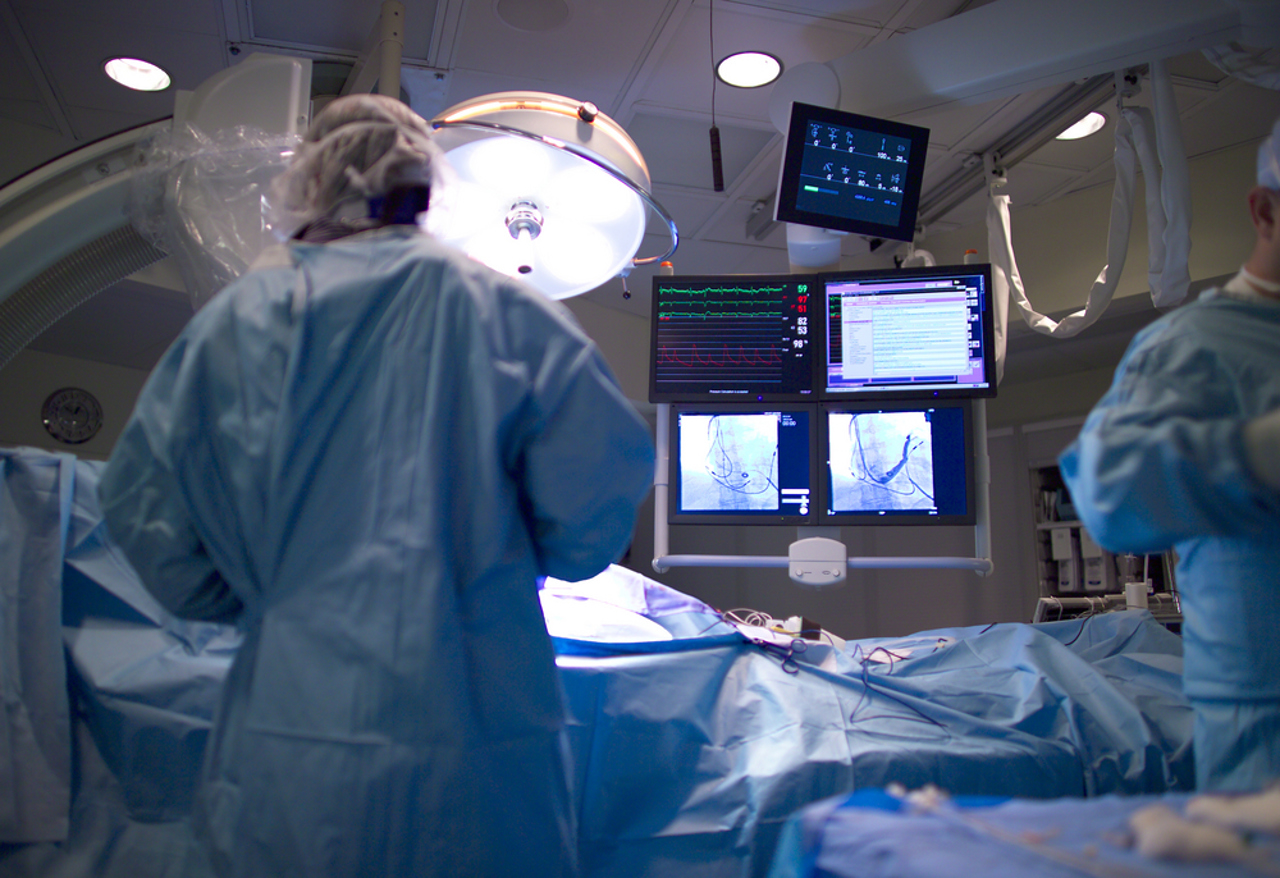
At the "Holy Trinity" Hospital in Chisinau, within the Department of Interventional Cardiology and Electrophysiology, three patients with heart failure received cardiac devices for the first time. This included two pacemakers with defibrillation functions and one synchronizer specifically for heart failure management.
“For patients at risk of malignant arrhythmias, ventricular defibrillation and other rhythm and conduction disorders, the implantation of this device – the defibrillator – can save their lives,” explained cardiologist and university professor Liviu Grib, in a report by Galina Alcaz, a journalist at Radio Moldova.
There are hundreds, perhaps even thousands, of patients across the country who require such interventions. Liviu Grib emphasised that although the service is in its early stages, there are reasons for satisfaction, given the collaboration with Professor and international expert Cristian Stătescu, a cardiologist at the Institute of Cardiovascular Diseases in Iași, who contributed to the training of Moldovan specialists in the field of cardiac electrophysiology.
Liviu Grib added that the objective of the medical authorities is to develop and expand the cardiac electrophysiology service at the national level to increase access to treatment.
Romanian professor Cristian Stătescu explained to Radio Moldova that patients with heart failure, increasingly numerous due to cardiovascular pathology, can now benefit from interventional therapy, which complements drug treatment and significantly improves their quality of life.
Up to a thousand interventions of this type are performed annually at the Institute of Cardiovascular Diseases in Iași.
"5-6 devices are implanted per day, totaling approximately 950 devices per year. More than half are pacemakers, for atrioventricular conduction disorders or sinus node disease. In addition, complex devices, such as implantable resynchronizers and defibrillators, are made. Many of these are also performed in our country. We benefit from the national programs of the Ministry of Health, which allows us to perform a considerable number of procedures," said Cristian Stătescu.
The professor said that approximately 60% of the pathology is cardiovascular, including infarction, ischemic heart disease or other heart conditions. The most important investment remains in this area. Otherwise, patients with heart failure become a burden on the health system, generating additional hospitalization costs, if they are not offered life-saving therapeutic methods.
The professor also noted that few countries in the world have managed to reduce cardiovascular mortality and morbidity, and Moldova is still among the high-risk states.