Government program for the new identity card model: over 770,000 documents can still be requested for free
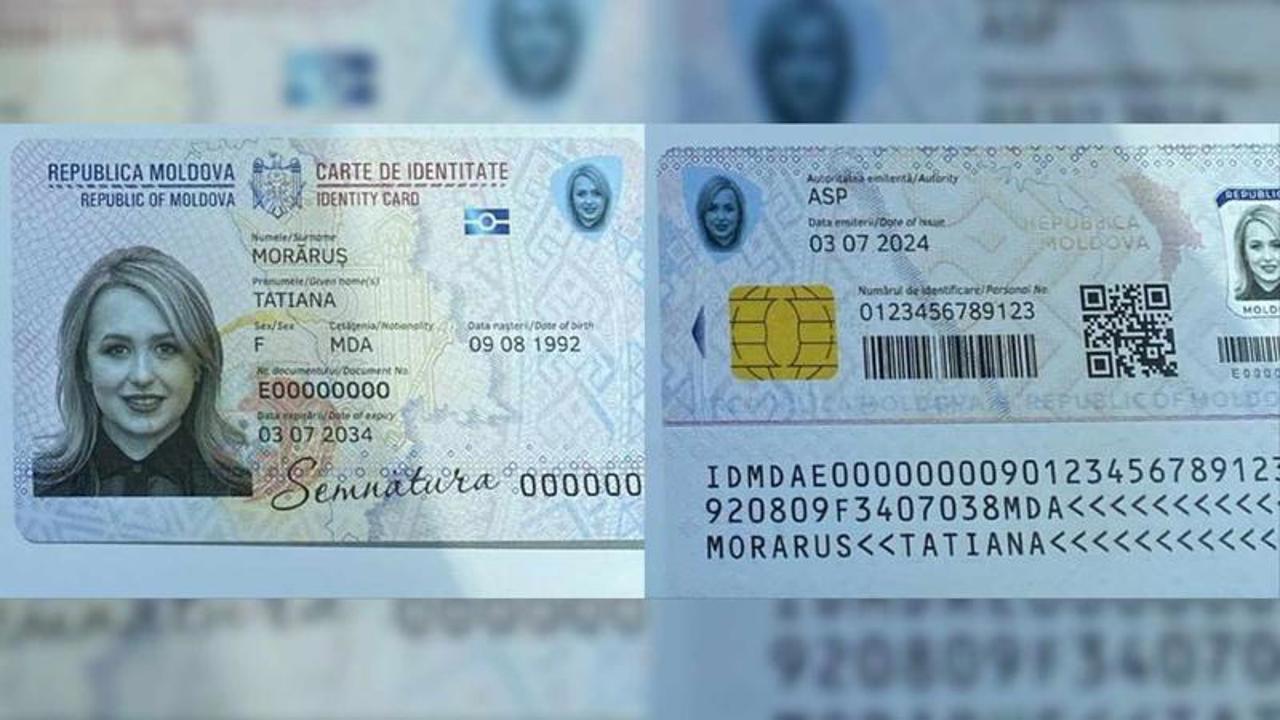
Over 770,000 new-model identity cards can still be requested for free under the government program launched this spring. Data provided by the Public Services Agency (ASP) to Teleradio-Moldova show that from March 31, 2025, to date, 224,573 applications have been submitted for the issuance of identity cards.
Of these, 159,320 people also requested an electronic signature.
Maia Lefter, head of the Communication, Protocol, and International Cooperation Department at the Public Services Agency, told Teleradio-Moldova that a noticeable rise in applications for identity documents occurred when members of the diaspora returned to the country, especially between June and August.
The ASP began issuing a new type of identity document for Moldovan citizens in April this year: the identity card adapted to European standards.
At that time, the government announced that it would provide one million identity cards free of charge to people applying through the regular procedure. Later, the document will be issued for a fee.
Unlike the old identity card, the new identity card does not include information about the holder’s residence or temporary address. These details are available on the government platform MConnect. As a result, holders no longer need to replace their identity documents when they change their place of residence.
The new identity card also contains an electronic data storage medium that includes printed and biometric data (facial image and fingerprints) as well as the electronic signature and public key certificates.
Mircea Eșanu, director of the ASP, stated in an interview with Radio Moldova that the new identity card could also serve as a travel document within Europe.
He added that this goal is a medium-term priority for the ASP. Since the Republic of Moldova already meets all EU technical requirements, the ASP director believes this could happen “even before the official accession” of Moldova to the European Union.