Experts warn: expired medicines can be life-threatening
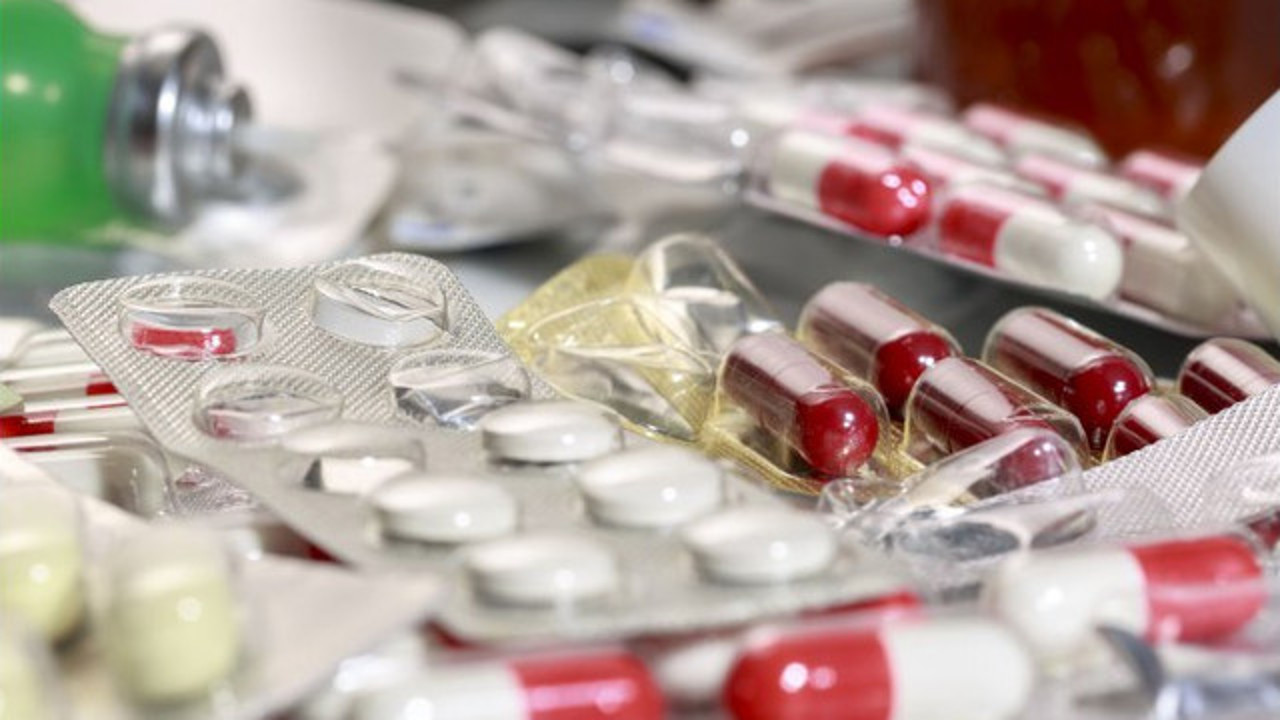
Expired medications, along with those that have changed color or consistency due to improper storage, can pose serious health risks when administered. Liudmila Scutaru, head of the Pharmacovigilance section of the Agency for Medicines and Medical Devices, warned on the "Zi de Zi" show on Radio Moldova that drug poisoning remains the leading cause of chemical poisoning in the Republic of Moldova.
Suspicious medications should not be administered. Liudmila Scutaru, a medical professional, emphasizes that “capsules can become soft, and the texture of ointments can change. We also need to pay attention to color changes; usually, the color becomes darker or a sediment appears that is not typical for the medication. In more serious cases, medications can become toxic due to the dissolution of certain compounds.”
Doctor of Medical Sciences, Tihon Moraru, also cautioned against the risks of administering expired medications. He noted that “the elderly and individuals with liver, kidney, or heart diseases are especially vulnerable. Medications used for hypertension, arrhythmias, or heart attacks can be very dangerous if their chemical structure changes.”
Medications remain a leading cause of chemical poisoning, with incidents gradually decreasing over the past decade. Iurie Pânzaru, head of the Occupational Health, Chemical Safety, and Toxicology Section of the National Agency for Public Health, reported, “We have encountered a significant number of cases involving chemical substance poisoning, totaling around 1,900. In 2014-2015, nearly 6,000 cases were recorded.”
Medications account for 40% of poisoning cases involving chemical substances, followed by alcohol poisoning and carbon monoxide poisoning, the latter of which has the highest fatality rate.