Remains of Moldova’s last ruler, Grigore Alexandru Ghica, repatriated to Romania
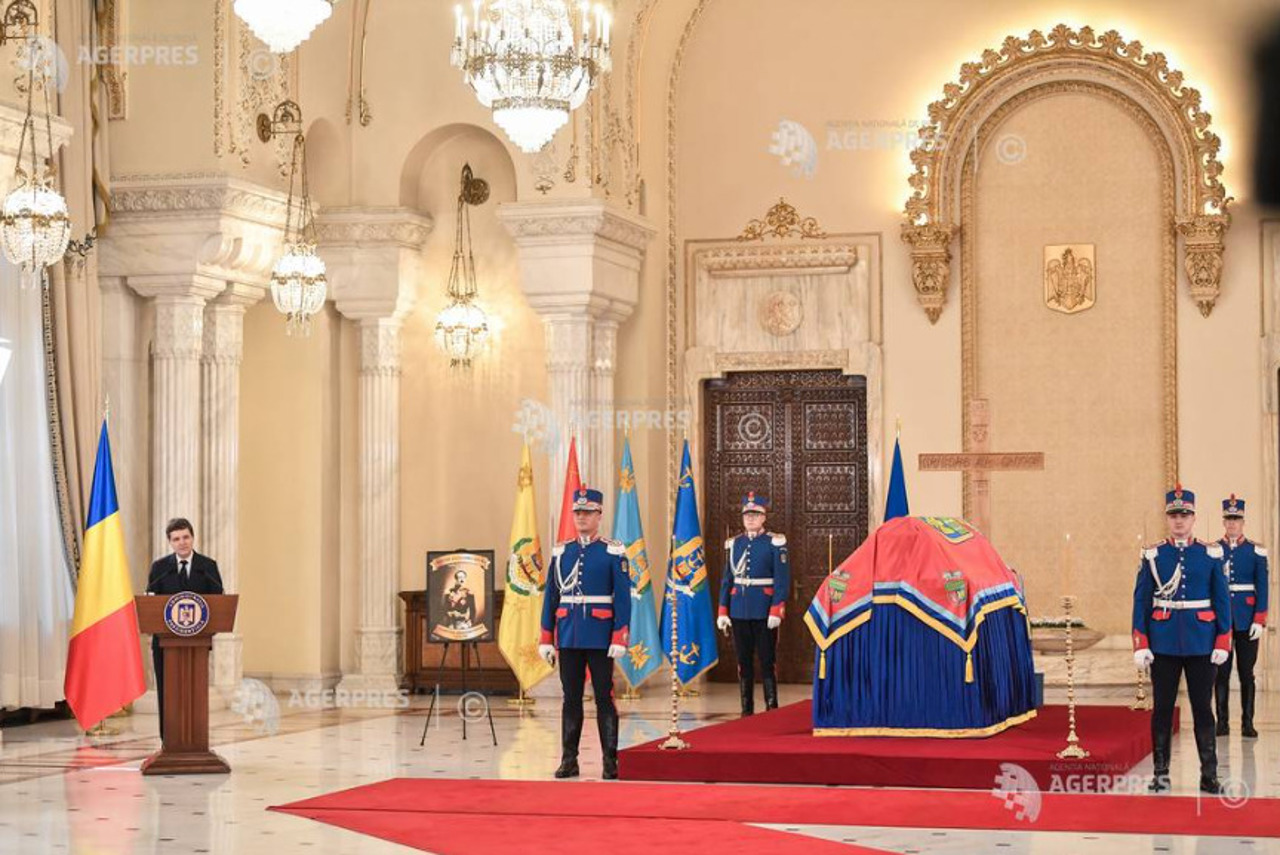
President Nicușor Dan remarked that the Union of 1859 "did not fall from the sky" and noted that it was the result of political action. He highlighted the role of Prince Grigore Alexandru Ghica in this process. This week, Ghica's remains were repatriated and taken to the Union Hall of the Cotroceni Palace, as reported by Agerpres.
"We must seize every opportunity, especially commemorative ones like today’s, to remind ourselves and those around us that history does not start with us. Too often, in how we perceive history, we focus on ruptures —key changes that occurred in years like 1821, 1848, 1859, 1866, and 1918 —without highlighting the continuity that underlies these events. Just as language is a creation shaped over time by many people who have related it to the world in specific ways, so too does society and its governance have deep roots in the thoughts and actions of those who came before us," emphasized the President of Romania.
He pointed out that the return of the remains of the Ruler of Moldova to the country serves as "an opportunity to remind us that the construction of modern Romania began before January 1859."
Nicușor Dan mentioned several important decisions that Ruler Ghica either initiated or participated in: "the abolition of censorship, the establishment of specialized medical units and maternity services, the creation of the School of Road and Construction Engineers, bold social reforms, the abolition of Gypsy slavery, and the establishment of the Gendarmerie—a force for maintaining internal peace, preparing for greater challenges at a time when the agreements of the Great Powers limited Romania's armed forces."
The head of state also noted social reforms: "the courage to reduce taxes, tithes for landworkers, and customs duties—essentially the taxes on the circulation of goods."
"However, we must emphasize the importance of the Union of 1859. The Union did not occur by chance; it was not a gift granted to Romania. For it to come to fruition, certain politicians, including Prince Ghika, took action in that direction. It is essential to assert, without doubt, that the history of Moldova is part of the history of Romania," the leader from Cotroceni added.
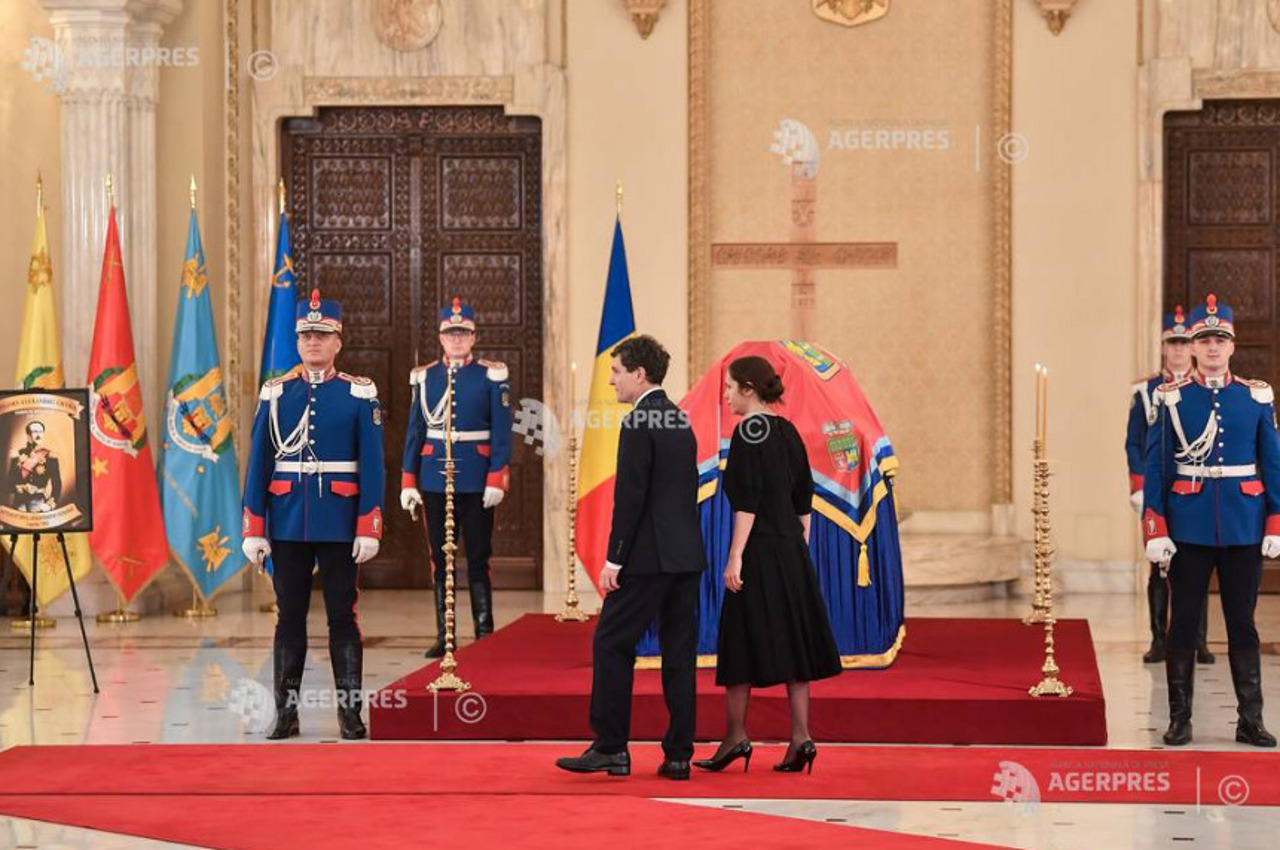
The remains of Grigore Alexandru Ghica (1807 - 1857), the last Ruler of Moldova and founder of the Romanian Gendarmerie, were exhumed on Friday from the cemetery in Le Mee-sur-Seine, France, and repatriated on the same day.
President Nicușor Dan has announced that, as a sign of deep respect for the memory of Grigore Alexandru Ghica, the coffin containing his remains will be laid to rest on Sunday in the Union Hall of the Cotroceni Palace.
On Monday, the coffin will be transported to Focșani, where it will be placed on a catafalque in the foyer of the Vrancea Museum. This arrangement will allow the people of Vrancea to pay their respects to the last Ruler of Moldova and founder of the Romanian Gendarmerie for two days.
The remains of the last Ruler of the Principality of Moldova are scheduled to arrive in Iași on November 12, where they will be temporarily housed at the Palace of Culture. Following this, they will be reburied in a specially arranged location near the building, according to Agerpres.