From Russian embargoes to exports to 40 countries: Moldovan entrepreneurs’ success stories on the path to the EU
The Republic of Moldova's journey toward European Union membership is viewed not just as a political decision, but as an investment in a secure, prosperous, and peaceful future. European integration also entails attracting investments that stimulate the economy and create new opportunities for business development. The transformations occurring within Moldovan enterprises during this process were discussed on the show "Vector European" on Moldova 1 TV.
The Republic of Moldova has a rich agricultural heritage, with vineyards and wines serving as its hallmark.
Between 2006 and 2013, the wine sector suffered significantly due to embargoes imposed by the Russian Federation. These embargoes resulted in substantial, irreparable losses estimated at several hundred million euros, as noted by Victor Bostan, an oenologist, winemaker, and founder of one of the most esteemed companies in the industry.
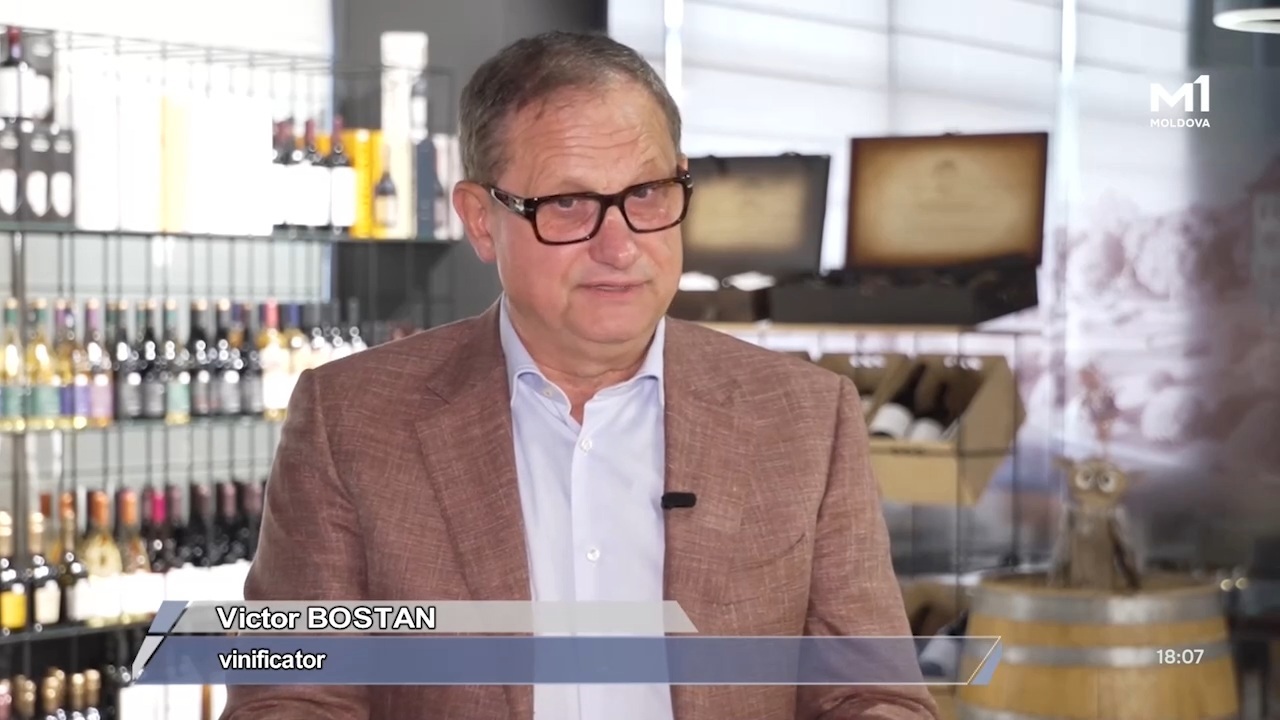
"Wine bottles were destroyed on the shelf, even though they were legally imported and verified. They were simply declared non-compliant and destroyed. The embargoes from 2006 to 2013 significantly harmed winemakers," said Victor Bostan.
With support from authorities and Western partners, the wine industry has undergone extensive modernization and strategic reorientation. Moldovan winemakers have identified new sales markets and turned the crisis into an opportunity for development.
The company led by Victor Bostan currently exports its wines to over 40 countries worldwide, with approximately 70% of its production reaching the European market.
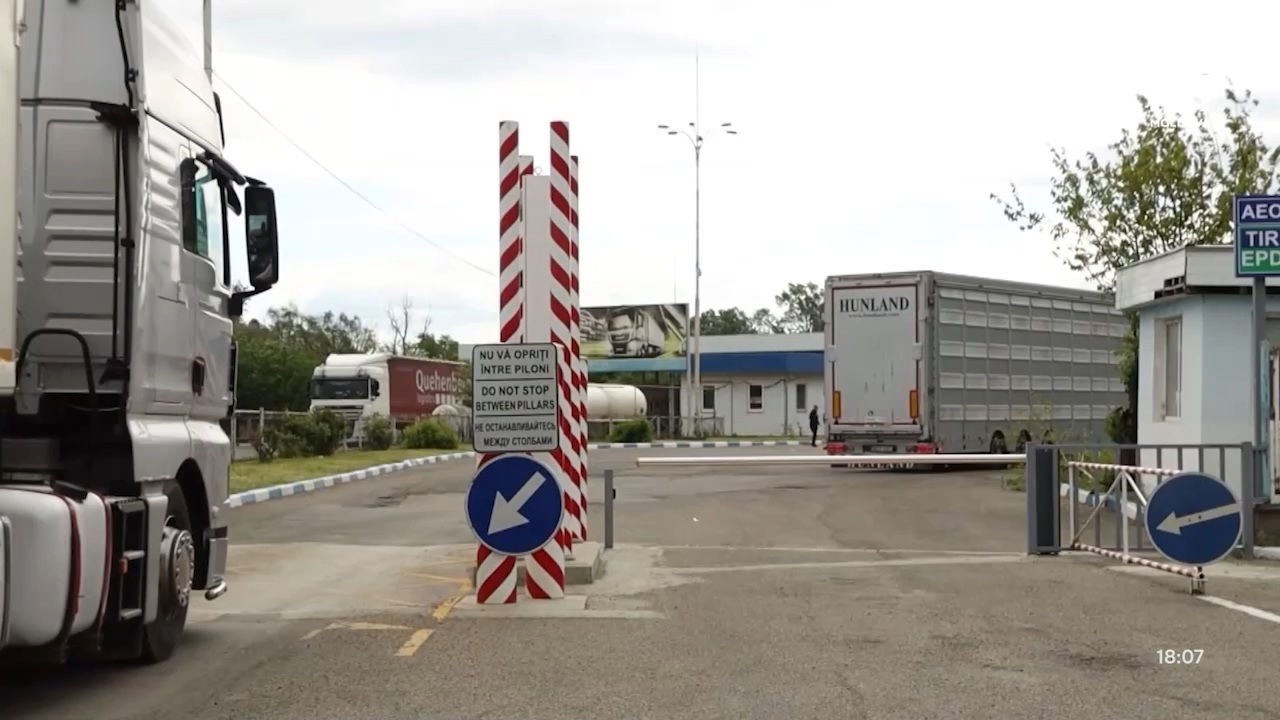
The country's integration into the European single market – which is safe and stable – would ensure continuity and accelerate the movement of goods, according to the winemaker.
"For businesses, the speed at which goods are transported and the amount of time trucks spend stationary are very important. Every day counts," emphasized Victor Bostan.
Iulia Grigoriev, who recently returned from the UK after living there for several years, is now focusing on developing her family business back home.
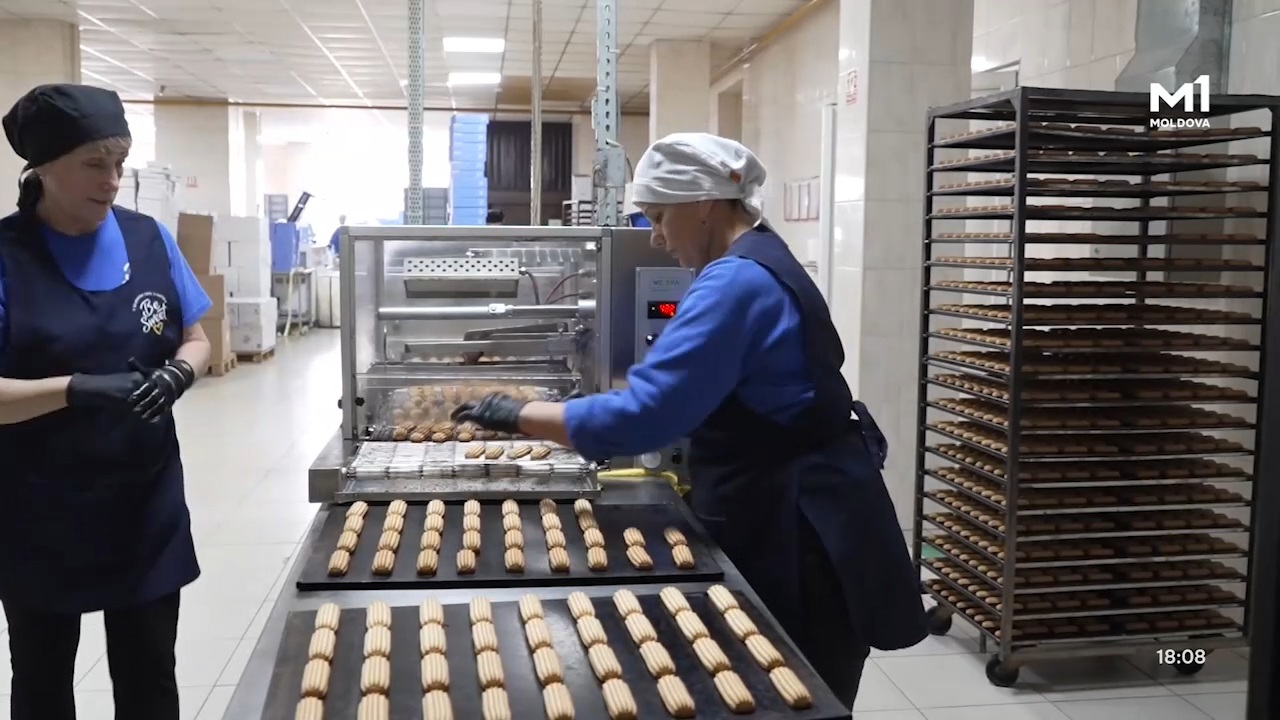
The company produces 500 tons of biscuits and cookies annually, with more than half exported to Romania.
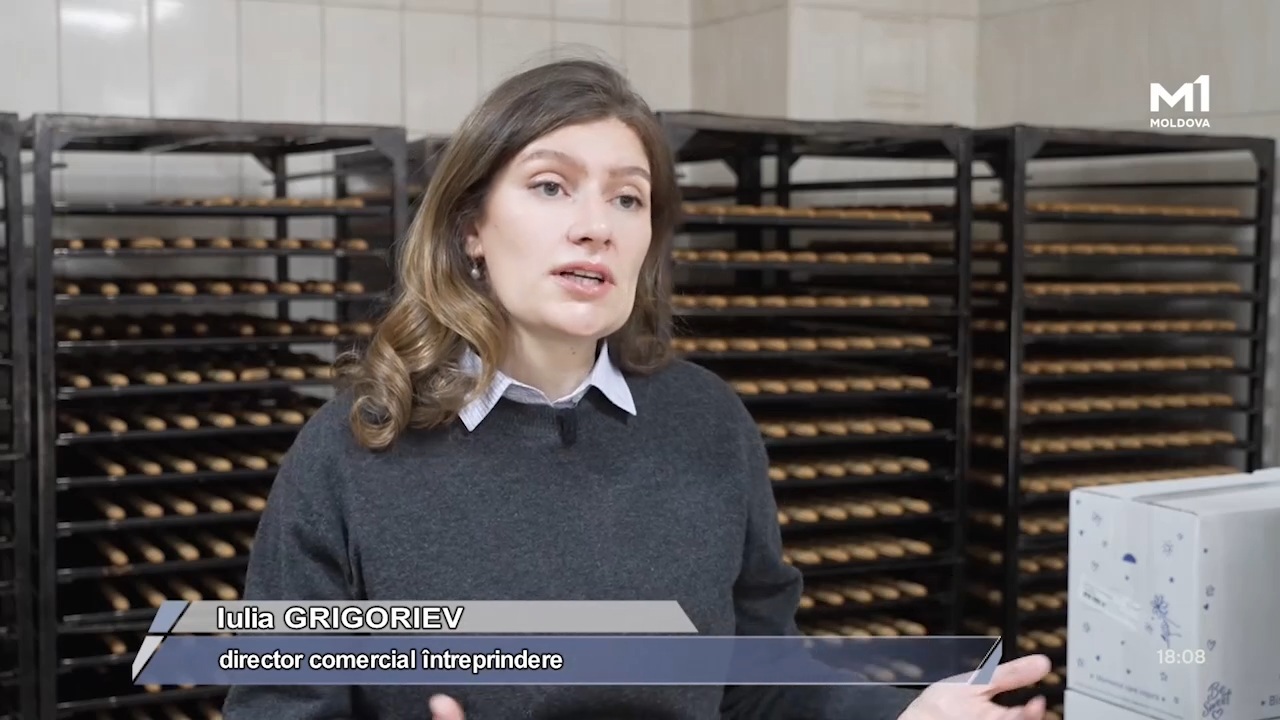
The Grigoriev family's business has been awarded three grants, totaling 3.3 million lei, to support re-technology and digitalization efforts.
"We received a grant to install solar panels, which has helped us save on electricity costs. When the war in Ukraine began, we were able to purchase an electric oven, as we had previously used gas ovens. This transition significantly helped us navigate the challenges of the crisis," the entrepreneur stated.
Mihaela Gorban, Deputy Secretary General at the Ministry of Economic Development and Digitalization, emphasized that the gradual integration of the Republic of Moldova into the European single market is a key priority.
This integration entails the free movement of goods, aligning the country with supply chains, and enhancing trade and transport connections. It also aims to broaden the range of export products and boost overall competitiveness.
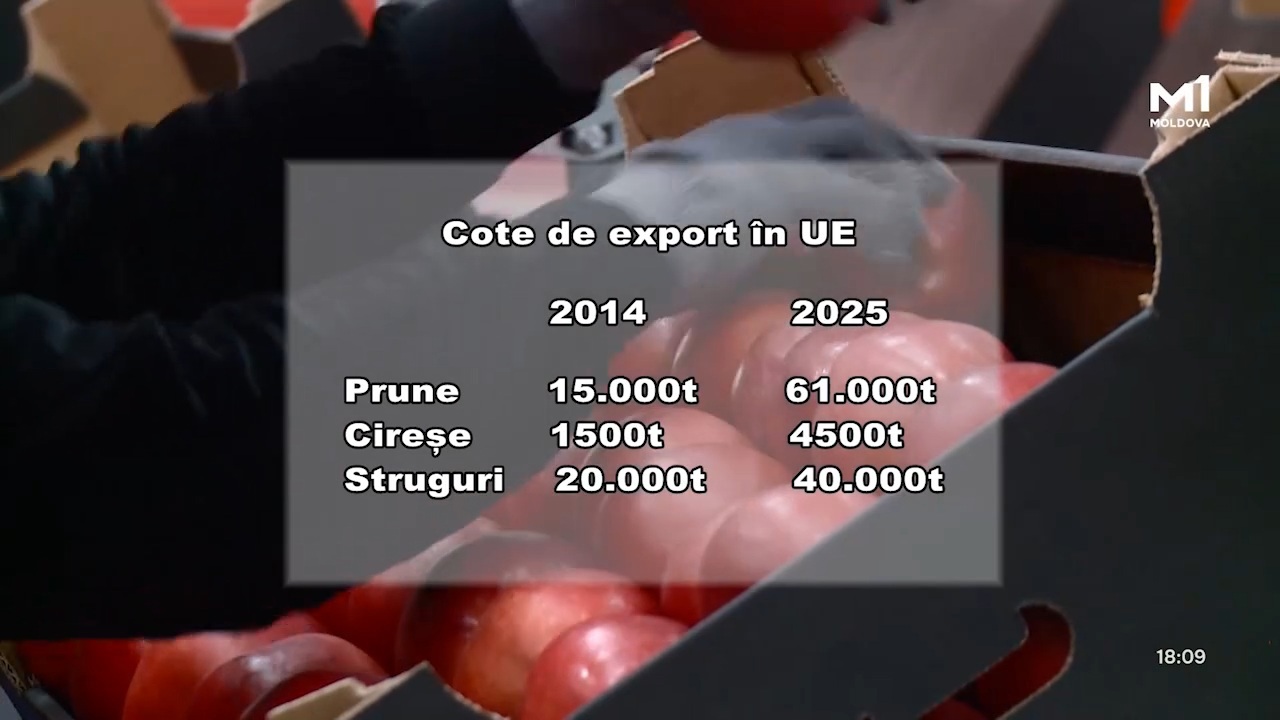
"Negotiations with the European Union focused on renewing the Deep and Comprehensive Free Trade Agreement, specifically the duty-free export quotas for agricultural products, particularly fruits and vegetables. It is important to note that these export quotas have increased significantly. Additionally, we have received all the necessary approvals to export animal products, including eggs for consumption, fresh and chilled poultry meat, as well as certain types of planting material," the official stated.
In the fall of 2024, Brussels launched the Economic Growth Plan, which was signed in May 2025.
The financial package, designed for the period from 2025 to 2027, is valued at 1.9 billion euros.
The Deputy Head of the EU Delegation to the Republic of Moldova, Mate Csicsai, emphasized that a significant portion of the financial support is contingent upon the implementation of reforms. These reforms aim to align the Republic of Moldova with the European Union and its standards across various sectors. Additionally, the Growth Plan includes investments designed to stimulate economic development in the country.
Approximately 32% of the Growth Plan will be allocated to transportation, while over 25% will focus on the energy sector. The plan will also support 25,000 enterprises, including small, family-run businesses. It is estimated that implementing the Growth Plan will lead to a 4.3% increase in Moldova's GDP by 2028.
Mate Csicsai noted that some results of these changes are already visible.
"Since the beginning of October, you have joined the Single Euro Payments Area, which means cheaper and faster transfers. Roaming fees will be eliminated starting next year. Gradually, these benefits will have a real impact on people's daily lives," he stated.
Another significant achievement highlighted is the Republic of Moldova's accession, on November 1, to the Convention on Common Transit, which will further integrate it into the European customs network.
The Republic of Moldova was granted candidate country status for EU accession in June 2022. By September of this year, it completed the bilateral screening that began in July 2024. Chisinau is now awaiting the official opening of cluster negotiations.
According to the annual enlargement package presented by the European Commission, the Republic of Moldova has made the most progress among candidate countries in the past year.