Transnistria heating bills skyrocket as new Tiraspol tariffs take effect
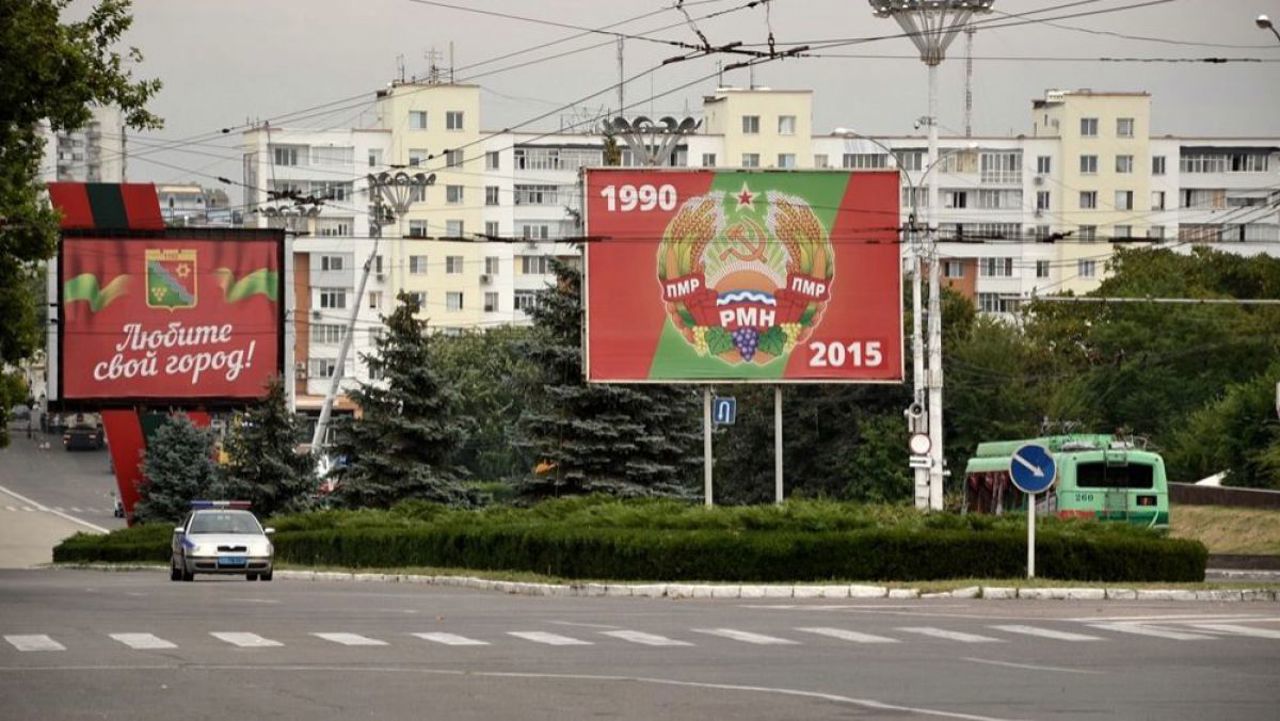
The cost of heating and hot water has dramatically increased in Transnistria (Dniester left bank), with residents complaining of a "significant increase" in their Transnistria heating bills.
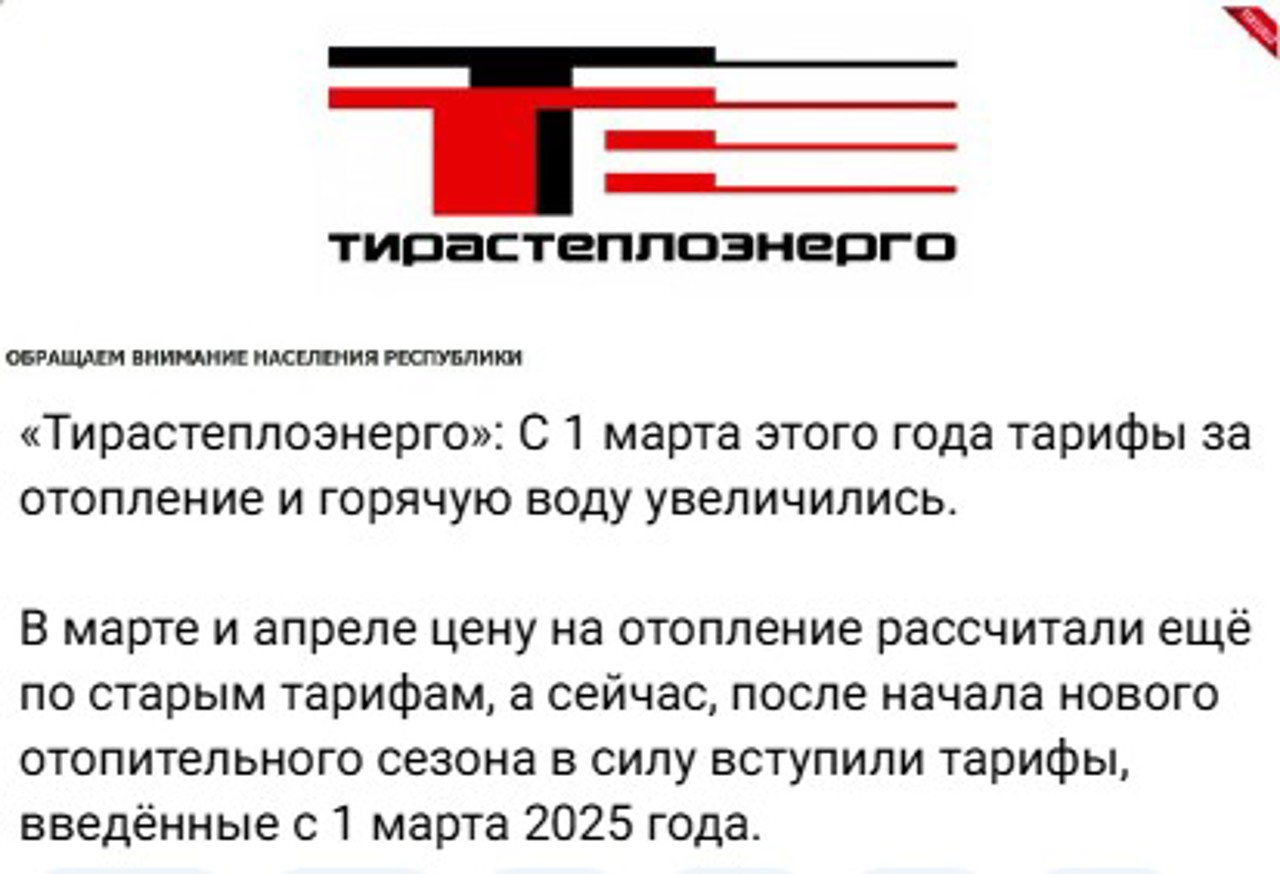
The new Tiraspol tariffs, introduced by local supplier "Tirasteploenergo" and effective March 1, 2025, have only just been applied with the onset of the new heating season.
In recent days, residents have taken to social media to publish their new receipts, comparing the amounts to previous months and expressing widespread dissatisfaction.
Experts suggest the price hike is severely straining household budgets.
"The bills on the Dniester left bank are exploding!" estimated Watchdog Community expert, Ștefan Bejan. "The local supplier significantly increased the tariffs for thermal energy, electricity, and gas. And the bad news doesn't stop there—from January 2026, tariffs will rise again."
Bejan links the bill increase to the Transnistria energy crisis, citing a lack of investment, the collapse of local industry, and the region's almost total dependence on the Sheriff group.
"Residents of Transnistria are now reaping the fruits of 35 years of blind submission to Russia and an isolated, inefficient economic system," Bejan added.
The expert raises a pertinent question: Could this severe economic situation in the Transnistrian region be an "opportunity" for the Chișinău authorities to advance state Chișinău reintegration? "How should Chișinău react in this situation? Can it take advantage of this opportunity?"
In a related development, on October 2, a 10-day gas-saving regime was instituted in the Transnistrian region. This measure prioritized gas distribution exclusively for household consumption and domestic electricity generation. Furthermore, the self-proclaimed authorities also implemented scheduled power outages across the region.
The crisis was exacerbated on January 1, 2025, when the Russian concern Gazprom ceased natural gas supplies to the Transnistrian region. The separatist administration in Tiraspol, backed by Russia, rejected offers from Chișinău and international partners. They claimed that procuring exchange-traded gas would lead to high and unstable prices, despite the region having benefited from free Russian gas for over 30 years.
The European Union intervened by providing a €30 million grant for both banks of the Dniester, which helped overcome the immediate crisis. The EU also offered an additional conditional support package of €60 million to cover the region's energy needs, but Tiraspol refused the aid.
The gas currently reaching the Transnistrian region is paid for by the Russian Federation, with deliveries facilitated by a company based in Hungary.
Translation by Iurie Tataru