Smart villages in Moldova: photovoltaic parks built in five localities with EU financial support
The "European Village" concept will be implemented through a pilot program funded by the European Union in five villages of the Republic of Moldova: Larga in the Briceni district, Coșnița in the Dubăsari district, Sipoteni in Călărași, Lozova in Strășeni, and Mereni in the Anenii Noi district. Each locality will receive grants of up to 1.5 million lei for smart projects, along with approximately three million lei for the construction of photovoltaic parks with a capacity of 200 kW.
The investments encompass modern technologies, digitalized public services, efficient energy solutions in rural communities, training with international experts, and study visits to Spain and Estonia to adopt European best practices.
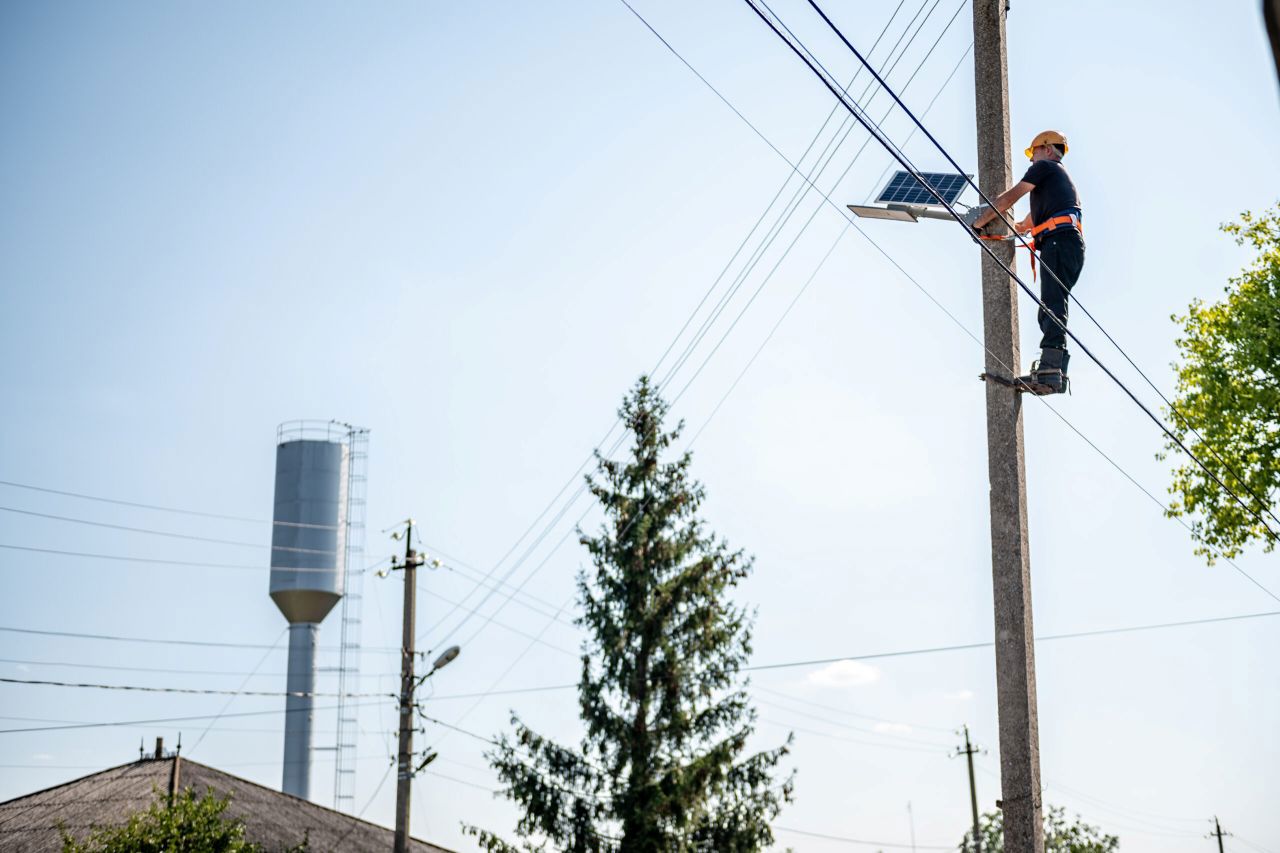
In the village of Larga, located in the Briceni district, the city hall is modernizing the Culture House, installing smart public lighting, and constructing a 200 kW photovoltaic park. The town's mayor, Radu Urechean, emphasizes the profound impact this project will have on the community.
“This project, supported by the Solidarity Fund of Poland in Moldova, aims to enhance the economic, financial, and social conditions of our town. As part of the initiative, we are implementing an innovative heating system at the Culture House and building a 200 kW photovoltaic park. There are still tasks ahead of us, including the smart lighting for pedestrian crossings, parks, and other areas where the public needs it,” Radu Urechean stated in an interview with Teleradio-Moldova.
The mayor also mentioned that to date, over 82,000 euros have been invested in the community's infrastructure, alongside more than 100,000 euros allocated for the 200 kW photovoltaic park, all part of the project aimed at transforming villages into smart localities.
Residents are optimistic about the changes occurring in their community. “People are hopeful for prosperity, job creation, and increased activity in the locality. They view these developments positively, and we are not facing any challenges,” declared Urechean.
According to the mayor, the locality is focused on further developing the local economy: “We have improved the infrastructure with an aqueduct, a sewage system, and everything essential for the locality. However, we are facing challenges such as a lack of labor due to migration, as people are leaving for cities and abroad in search of higher salaries. We are actively seeking projects to boost economic development and create new businesses in our area.”
Additionally, thanks to this pilot project, the waste management system in Coșnița, Dubăsari district, is being modernized. The city hall is acquiring a specialized vehicle equipped with GPS and video cameras and installing 500 dumpsters for the selective collection of plastic waste.
In Sipoteni, Călărași district, improving access to drinking water is a priority. Four filtration stations and smart public lighting are being installed, along with four modern public transport waiting stations featuring digital panels that display real-time schedules.
Farmers in Lozova, Strășeni, will benefit from the installation of five solar weather stations, which are crucial for adapting to climate change. The local kindergarten and high school are being upgraded with high-performance ventilation systems.
In Mereni, Anenii Noi, smart public lighting systems with sensors and remote management, a video surveillance system, and an automated irrigation system for the stadium are being introduced.
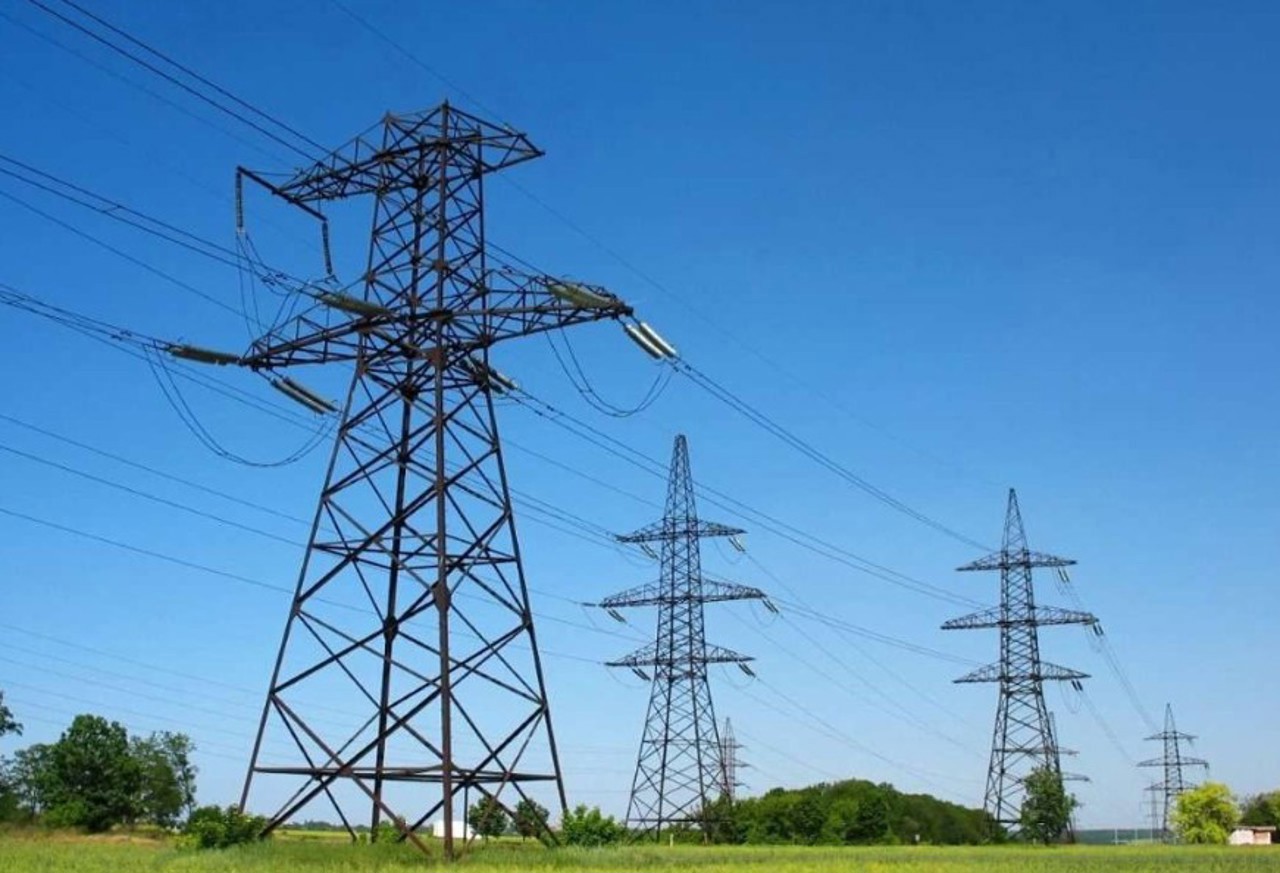
The construction of 200 kW photovoltaic parks in all localities aims to reduce costs and increase local public administrations' energy independence.
The villages selected to benefit from these initiatives were chosen following an open call for grants launched by the Solidarity Fund PL in Moldova in July 2024.