Puhăceni farmers secure good harvests with modern irrigation system
In the village of Puhaceni, in the Anenii Noi district of the Republic of Moldova, a modern irrigation system now covers nearly 950 hectares of farmland.
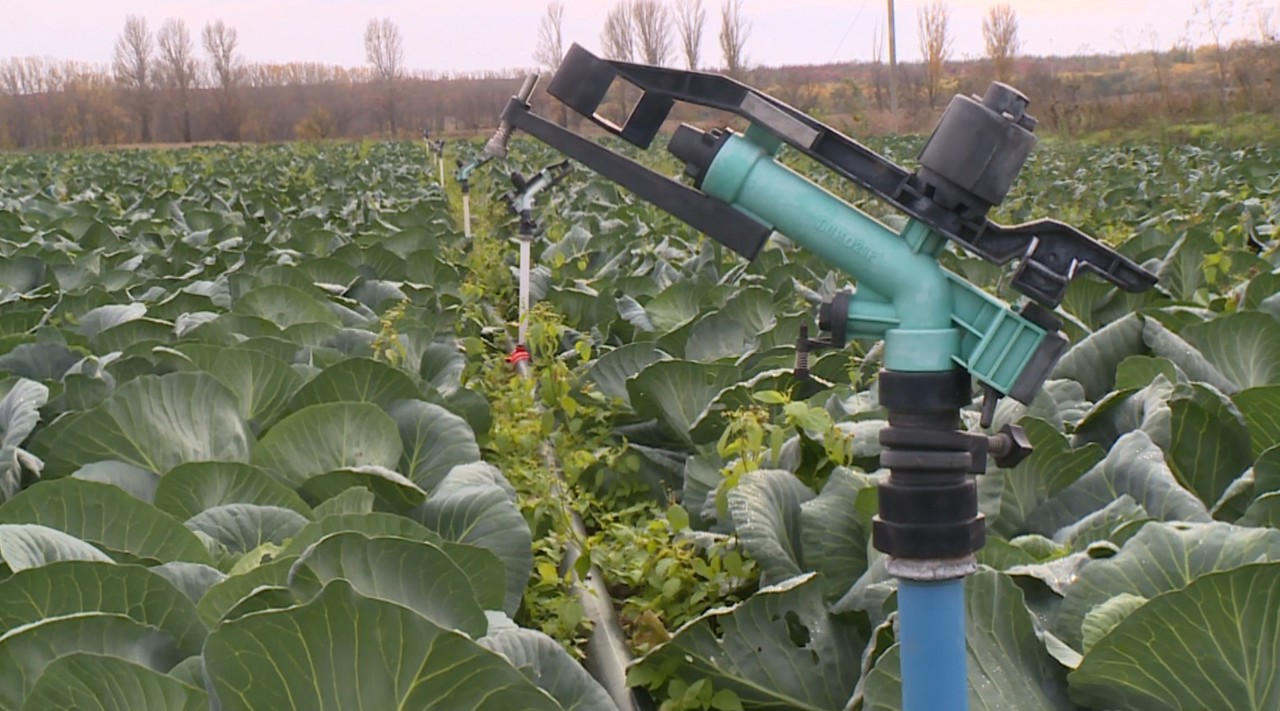
The project, which involved investments estimated at tens of millions of lei (equivalent to several million US dollars), is presented as a national model for adapting to climate change.
Rehabilitated in 2015, the system allows farmers to draw water efficiently from the Nistru River, securing harvests even during periods of extreme dry weather. This capability has significantly increased the drought resilience of local agriculture.
According to local farmers, the investment has proven critical.
"Without this irrigation, the trees would simply wither," said farmer Ion Nicolaev. "Facing the kind of drought we had this year, farming crops like alfalfa, corn, and sunflower would be impossible."
The contrast in crop yields between irrigated and non-irrigated land is notable. Stanislav Bîzgan, who cultivates 600 hectares, 100 of which are irrigated, highlighted the difference.
"We expect to harvest around 10 to 12 tonnes of corn per hectare from the irrigated area," Mr. Bîzgan stated. "This yield is a direct result of having access to water; non-irrigated fields cannot match these results."
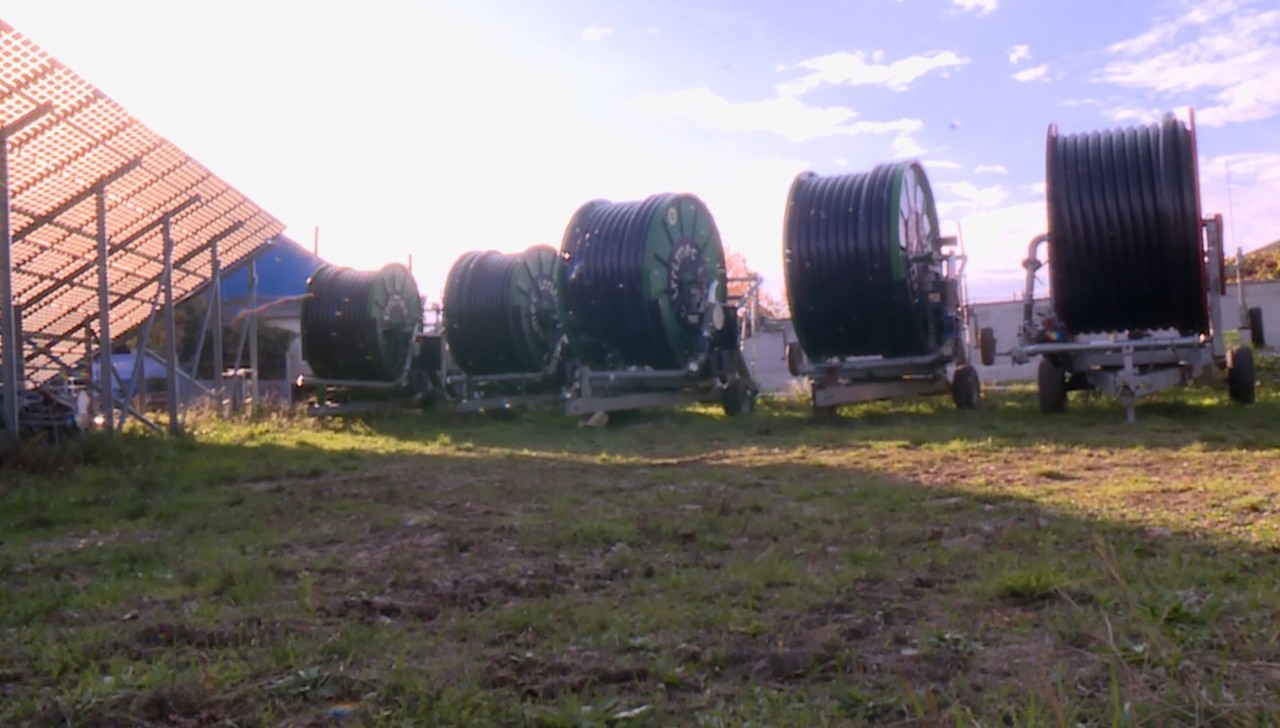
Further modernization efforts have seen the irrigation station equipped with photovoltaic panels. This specific enhancement project, valued at 1.3 million lei (approximately $75,000 USD), was funded through support from the United States Agency for International Development (USAID).
Another local farmer, Ion Bîzgan, explained the system's operational reliability: "During the two or three months of drought this past summer, the system ran continuously. Farmers simply connect to the pipeline and irrigate whenever they need to."
Reliable land irrigation remains essential for sustainable farming in the region, offering a practical solution to climate vulnerability.
Translation by Iurie Tataru