Chișinău to take over Gagauzia elections amid fraud and Russian influence
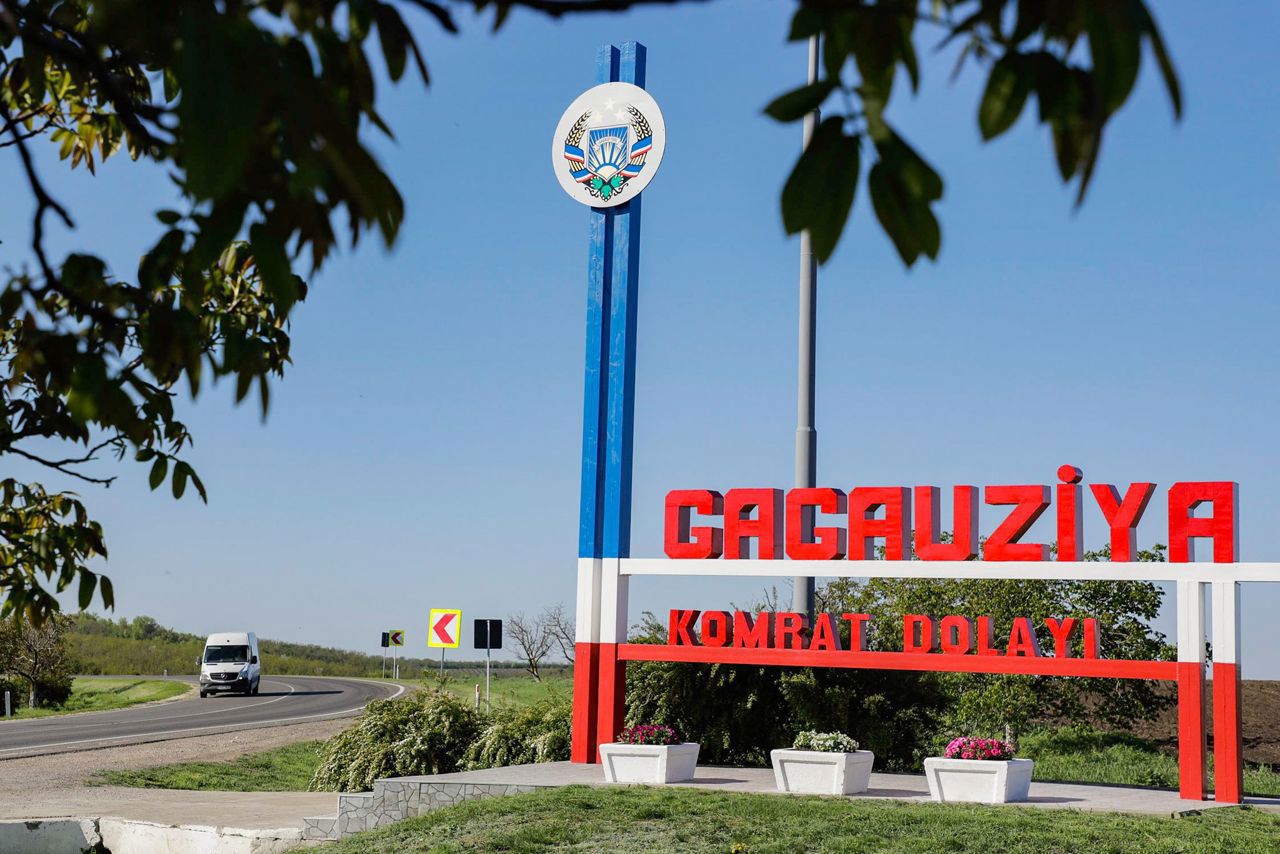
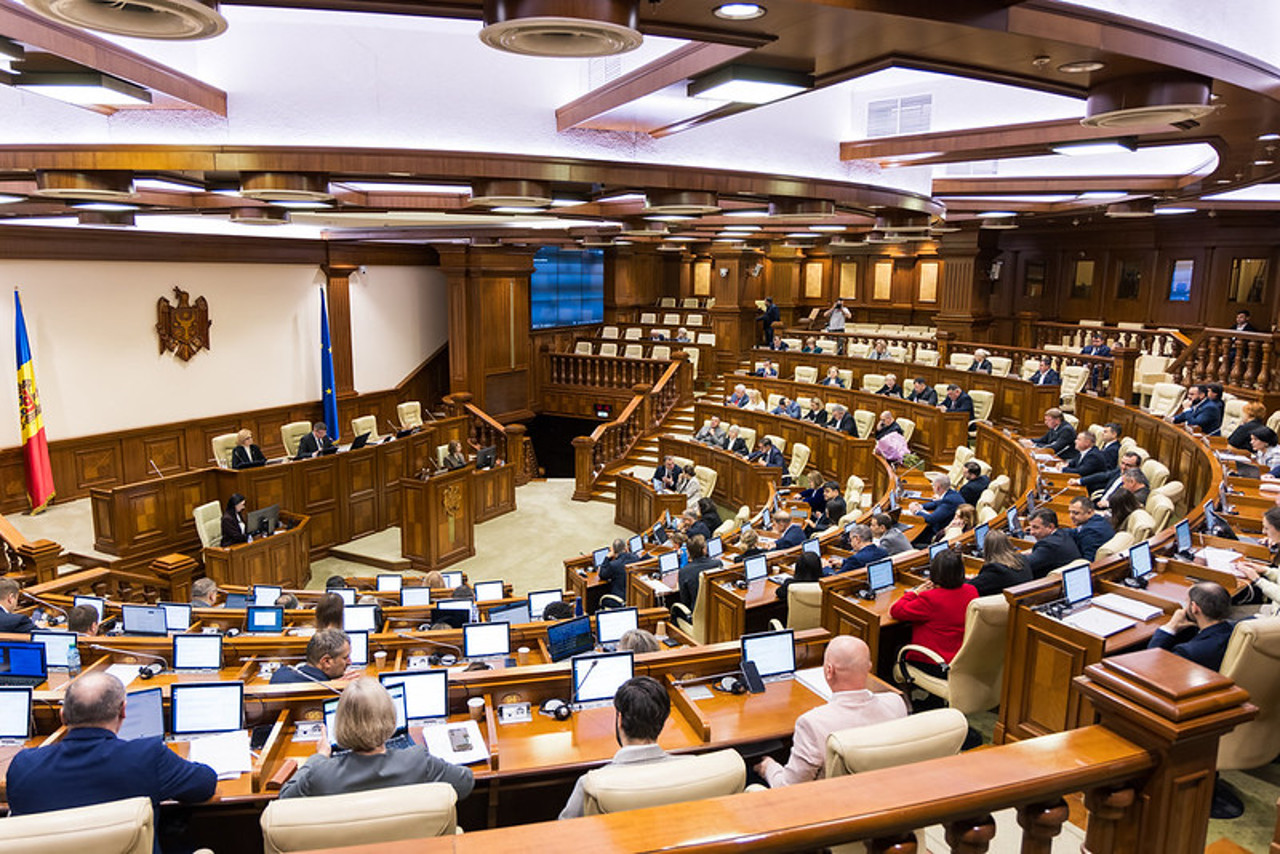
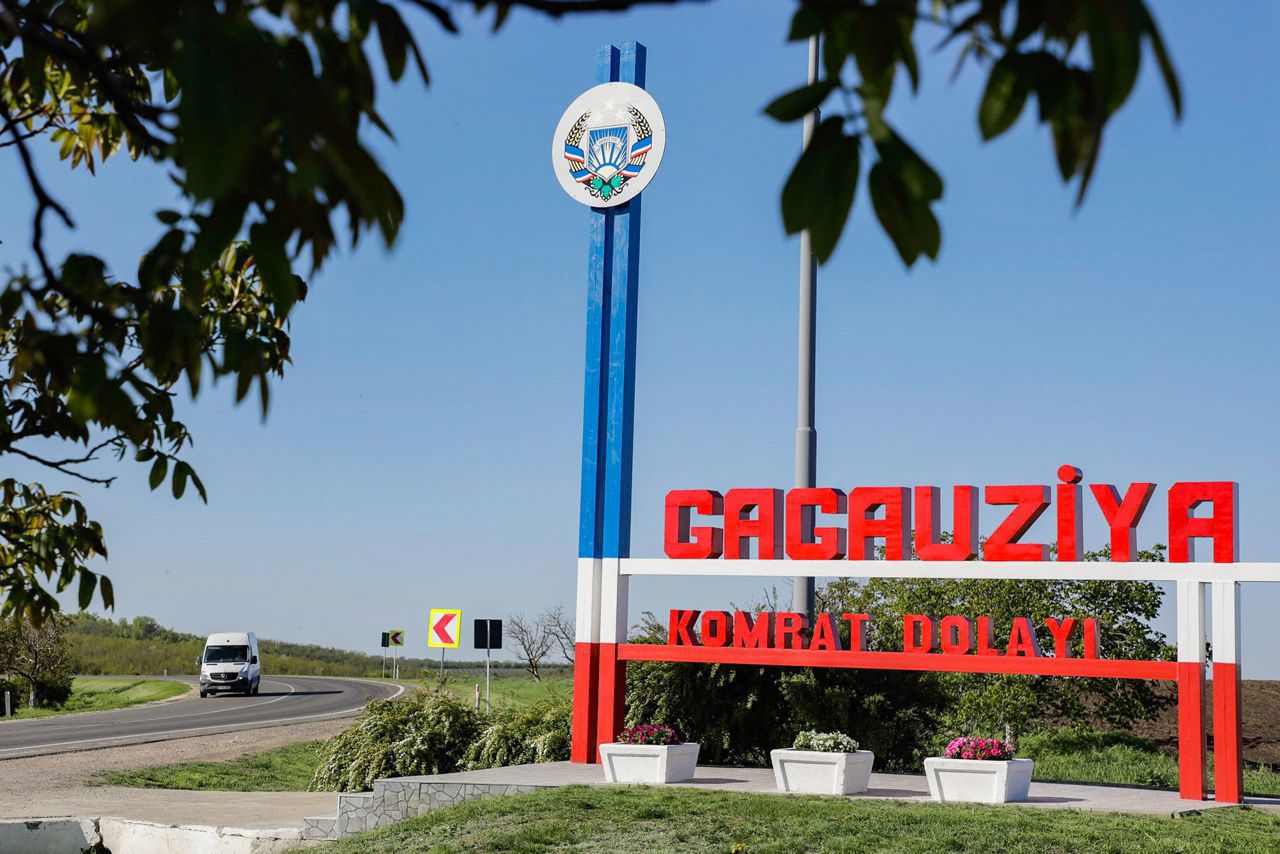
The Central Electoral Commission (CEC) in Chișinău is set to assume control and monitoring of the upcoming Gagauzia elections for the region’s People's Assembly.
This move is intended to prevent widespread electoral fraud and vote buying, issues that have affected past elections in the autonomous region. The announcement was made by Deputy Lilian Carp, chairman of the Moldovan Parliament's Committee on National Security, Defense and Public Order.
Speaking on the "Spațiul Public" show on Radio Moldova, Mr. Carp stressed that the local electoral body had previously acted "in the interest of certain groups." He stated that this allowed structures associated with Ilan Șor, who has been convicted in absentia, to compromise the integrity of the vote and democratic processes.
"The decision is that everything, including the electoral processes, will be controlled from Chișinău," Mr. Carp asserted. "This is explicitly to prevent vote buying and election rigging."
Institutional Vacuum and the 2026 Vote
Elections for the People's Assembly (Halk Toplușu), the legislative body based in Comrat, are tentatively scheduled for March 2026. State institutions have committed to monitoring these processes closely to ensure the conduct of free and fair elections.
"The institutions are dismantling the power structure Șor built in Gagauzia," the deputy specified, adding that this structure was created "with the support of local elites."
The current mandate of the People's Assembly expired on November 12. Elections, originally set for November 16, could not be organized due to the absence of a functional electoral entity in the region.
The former Comrat Electoral Commission was dissolved in 2023, and the new body, established in June 2025, was subsequently suspended by a court ruling, leading to the current institutional vacuum.
Further complicating the situation, the chairman of the People's Assembly, Dmitri Constantinov, recently announced his resignation, citing health issues and unused vacation.
"He used three notions: resignation, leave, and the fact that they will gather and vote. I believe he is not leaving anywhere," Mr. Carp remarked skeptically regarding the chairman's claims.
The Role of the Șor Group and Moscow
Ștefan Bejan, an expert from Watchdog.MD, affirmed during the same broadcast that the political faction associated with Ilan Șor remains keen for the elections to take place quickly to consolidate their influence in the region.
"I don't think the funding has completely stopped. It was just paused and is set to resume when the elections are back on," the expert speculated.
Mr. Bejan believes the political structure has reached its maximum power in Gagauzia. "They know better than the state how many people live in the autonomous region and how they will vote," he noted.
The expert also pointed out that Mr. Constantinov has an ongoing criminal case, risking up to 12 years in prison, which could explain his sudden "political game."
Journalist and expert Mihail Sirkeli added that decision-makers in Chișinău—specifically the State Chancellery, the Supreme Court of Justice, and the CEC—are the only entities that can resolve the current impasse.
"Now the ball is in Chișinău's court," Mr. Sirkeli emphasized.
Identity Concerns and External Influence
Deputy Carp underscored that the decision to transfer electoral control to Chișinău is also driven by the necessity of safeguarding the cultural and political identity of Gagauzia's residents.
"The region has slipped into an area of Russification and loss of identity. This is the biggest problem," the PAS deputy stated.
Mr. Sirkeli supported this view, confirming that Moscow continues to exert influence.
"Moscow has dominated the informational and political space of UTA Gagauzia for more than 20 years. Șor is just the administrator of political resources in the region," the analyst concluded.
Central authorities are confirming that preparations for the spring 2026 elections are ongoing. All electoral processes will be centrally controlled to prevent fraud.
The Presidium of the People's Assembly decided on November 14 that the proposal to set the election date will be examined during the November 27 plenum session.
Translation by Iurie Tataru