EXPERTS: Shifts in Ukraine’s security landscape would directly impact Moldova
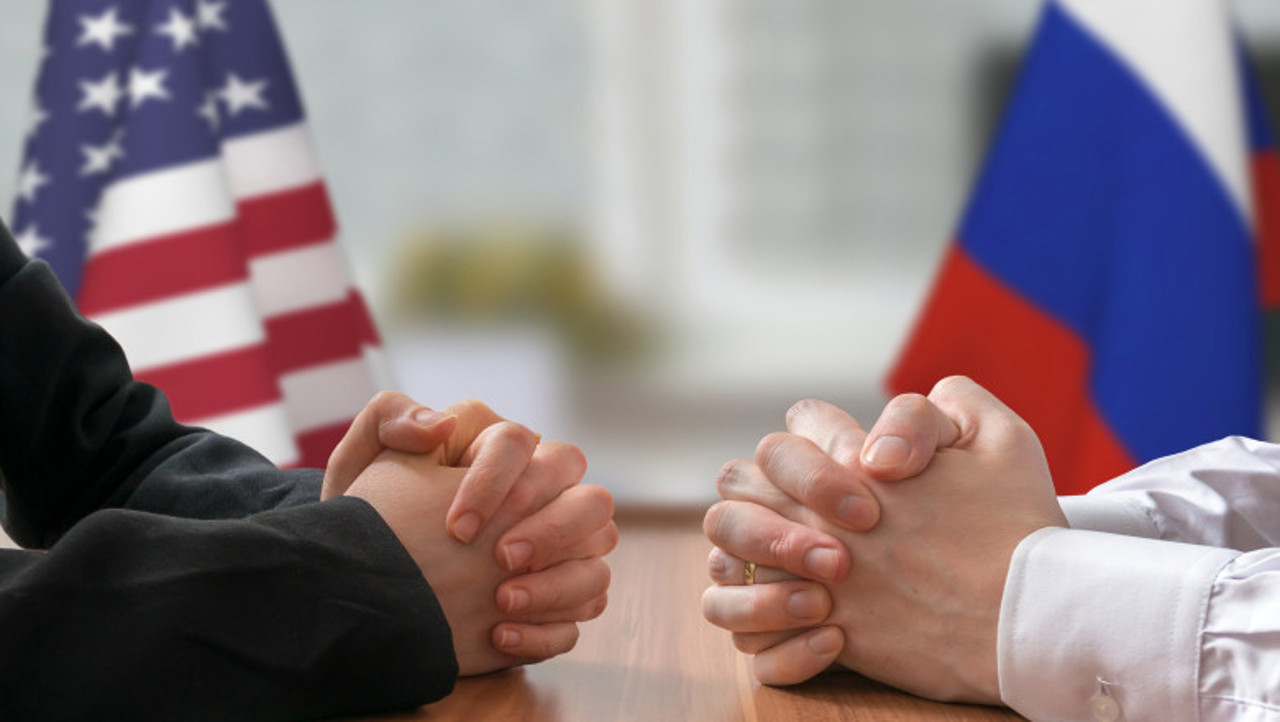
Any change in the security situation in Ukraine would directly affect the Republic of Moldova, including border control and developments on the left bank of the Nistru. These issues were discussed by Chisinau security expert Artur Leșcu on Radio Moldova, in light of the US-Russia plan for peace in Ukraine.
The expert expressed skepticism about the implementation of the proposed peace plan, deeming it unbalanced. In contrast, Romanian historian and political analyst Armand Goșu believes that the peace plan suggested for Ukraine deserves serious consideration and can serve as a starting point for negotiations.
Artur Leșcu criticized the document for failing to reflect reality and for not providing benefits to Ukraine. He raised significant concerns about the sovereignty and security of both Ukraine and its neighboring regions.
"It is absolutely unrealistic. This plan resembles a Christmas present for Putin and does not indicate a serious approach," Leșcu stated during the "Zi de Zi" show.
He argued that the plan favors Russia while imposing many limitations on Ukraine. The document recognizes the annexation of Crimea and parts of Donbass, which could set a dangerous precedent, according to the expert.
"A Pandora's box would be opened, and everyone globally would see that by force, one can demand and annex territories. We know there are many frozen conflicts. Not only in the post-Soviet space but globally, all totalitarian regimes would understand that this is feasible," Leșcu emphasized.
The expert also questioned the proposed peace guarantee mechanisms. A council led by the United States would be responsible for monitoring compliance with the agreements and sanctioning Russia if it violates them.
"Moscow can sign any document today, any peace guarantees, but if the chance arises, it will attack the next day. It will persist in its attacks on Ukraine and any other vulnerable points, finding countless pretexts," the expert from Chișinău opined.
Leșcu does not believe this plan will gain approval.
"This plan could only be signed if Ukraine loses on the battlefield, but such a scenario is unlikely. If that were to happen, the geopolitical and military situation in the region would change dramatically, posing direct threats to the Republic of Moldova. Realistically, I do not see how the Ukrainian side could accept such a plan," Leșcu added.
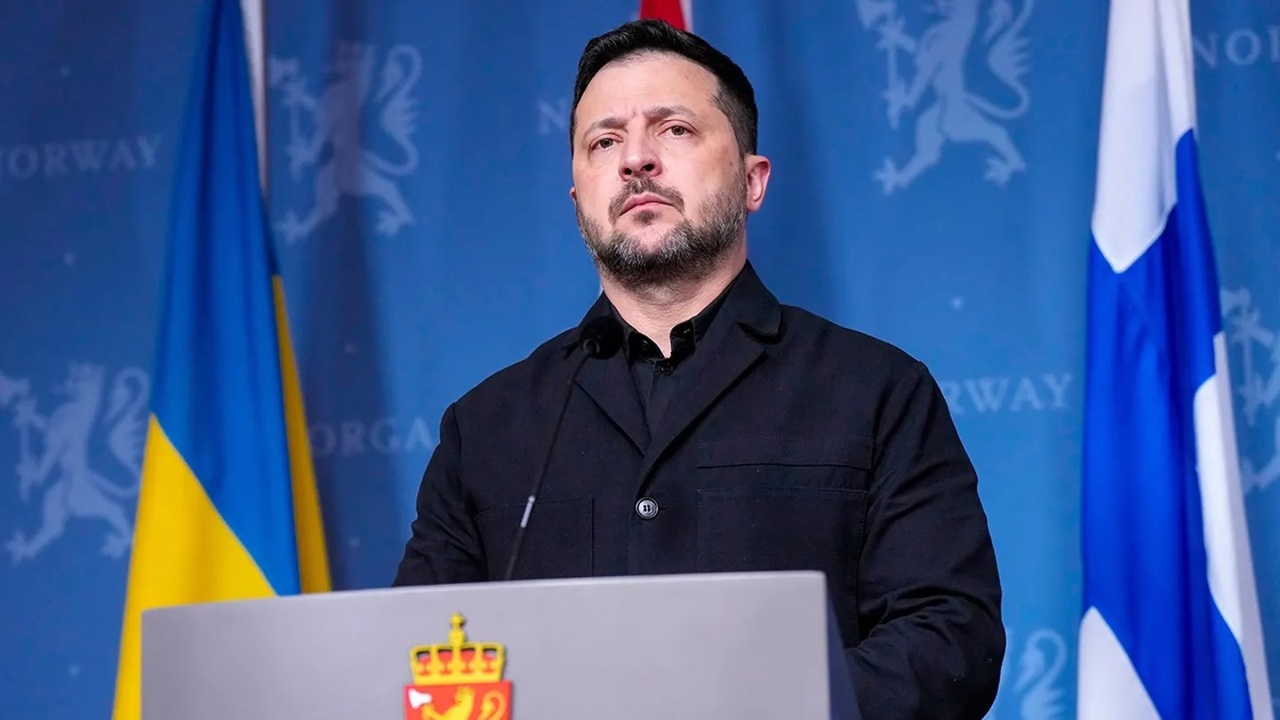
In contrast, Armand Goșu believes that the proposed peace plan for Ukraine should be taken seriously and viewed as the beginning of negotiations. He noted that President Volodymyr Zelensky is demonstrating greater skill in this matter.
"Ukraine understands that it has to make certain concessions. The problem lies not with Ukraine but clearly with Putin's Russia," Goșu emphasized.
Regarding the exclusion of Ukraine and the European Union from the initial discussions, Goșu noted that the anxiety of the American administration and President Trump's critical stance towards European partners—whom he views as insufficiently strong to manage their own security responsibilities—are understandable.
"The war in Ukraine did not start yesterday or today; it has been ongoing for four years. The Europeans keep asserting that they will support Ukraine and revive the defense industry, but progress has been modest. Europe is moving slowly," concluded the Romanian historian and political analyst.
According to a White House source, a document was secretly developed in recent weeks by senior officials from the Trump administration, including Special Representative Steve Whitkoff, Vice President J.D. Vance, Senator Marco Rubio, and the president's son-in-law, Jared Kushner. This effort included consultations with Russian representative Kirill Dmitriev.
Reports from Reuters, Axios, and the Financial Times indicate that the document comprises 28 points, proposing that Ukraine cede some territories in the east, reduce its troop levels, and forgo certain types of weapons. In return, Ukraine would receive security guarantees from the United States and Europe.
Ukrainian President Volodymyr Zelensky received the document on November 20. According to the Office of the Ukrainian President, Zelensky plans to work on the points outlined in the document to achieve a favorable conclusion to the war. He also expressed hope that he will be able to speak with U.S. President Donald Trump in the coming days.